





Choosing the Right Container
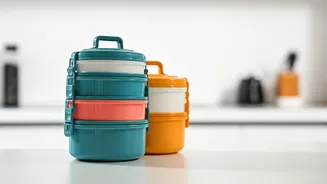
Your first step to better tiffin care begins at the store. Not all plastics are created equal. Look for containers that are explicitly labelled “BPA-free” and “food-grade”. A symbol showing a fork and a cup indicates the plastic is safe for food contact.
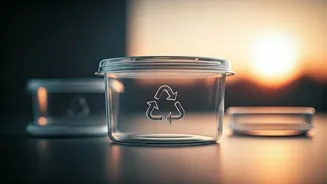
Also, check for numbers inside the recycling symbol, usually at the bottom. Plastics with codes 2 (HDPE), 4 (LDPE), and 5 (PP) are generally considered safer for food storage. Polypropylene (PP), or number 5, is often used for containers intended for hot food or microwave use because of its higher heat resistance. If you plan to reheat food, ensure the tiffin is also marked “microwave-safe”. This label means the plastic won't melt or warp under heat, but it is still wise to be cautious.
Banishing Stubborn Haldi Stains
The most notorious problem for any plastic tiffin is the stubborn yellow stain left by turmeric (haldi). The pigment, curcumin, is notoriously difficult to remove with just soap and water. For fresh stains, a simple paste of baking soda and water can be effective. Apply the paste to the stained area, let it sit for about 30 minutes, and then scrub gently. For more set-in yellowing, a soak in a solution of 3% hydrogen peroxide can work wonders. But perhaps the easiest and most effective method is using sunlight. The UV rays from the sun naturally break down the curcumin pigment. Simply wash the container and place it in direct sunlight for a few hours to see the stains fade.
Defeating Lingering Odours
Indian cooking involves a beautiful array of aromatic spices, but those smells can cling to plastic long after the food is gone. To neutralize these odours, you have several options. A paste made of baking soda and water, left inside the container for a few hours or overnight, is a great start. Another effective method is to soak the container in a solution of equal parts white vinegar and water. The acidity of the vinegar helps neutralize smells. For a completely natural approach, you can rub the inside of the container with a cut lemon or let a few lemon peels sit inside it overnight. If the smell is particularly persistent, try placing crumpled newspaper or a piece of food-safe activated charcoal inside the dry, sealed container for a day or two to absorb the odour.
Safe Microwaving and Heating
While many tiffins are labelled “microwave-safe,” this simply guarantees the container won't melt. It doesn't always speak to chemical leaching, which can increase with heat. Experts generally advise against heating food in any plastic container. If you must, always ensure it is labelled as safe for microwave use, and it's best to avoid heating oily or fatty foods in plastic, as this can accelerate chemical transfer. Never use plastic that is scratched, old, or damaged in the microwave. A safer practice is to transfer food to a glass or ceramic container before heating. Also, avoid putting very hot food directly into a plastic tiffin; let it cool slightly first to reduce the risk of staining and warping.
Knowing When to Say Goodbye
Plastic containers don't last forever. Over time, repeated use, washing, and exposure to heat cause them to degrade. It's time to replace your tiffin if you notice deep scratches, chips, or cracks, as these can harbour bacteria that are difficult to clean. Persistent stains or odours that no amount of cleaning can remove are another sign that the plastic is breaking down. If the container or its lid has become warped, preventing a proper seal, it's no longer effective or safe for transport. As a general rule, many experts suggest replacing frequently used plastic containers every six months to a year, especially if they are often used for heating.