

The Sun’s 11-Year Cycle
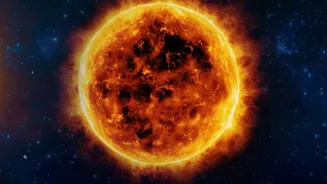
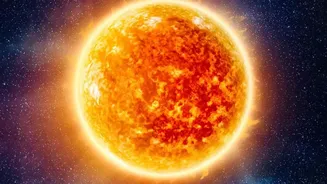
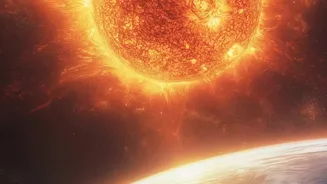
The sun operates on an approximately 11-year cycle, swinging between a quiet period called the solar minimum and a turbulent peak known as the solar maximum. This rhythm is driven by the sun's magnetic field, which flips its polarity—north becomes south
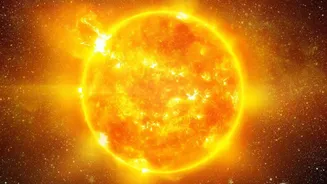
and vice versa—roughly every 11 years. We are currently in Solar Cycle 25, which officially began in December 2019. During the solar minimum, the sun is calm with very few sunspots. As the cycle progresses, solar activity ramps up, leading to a greater number of sunspots, which are temporary dark patches on the sun's surface caused by intense magnetic activity. These are the breeding grounds for solar flares and other eruptions.
When Will the Peak Arrive?
While the headline points to 2026, the scientific consensus has shifted. Original long-range forecasts from 2019 predicted a relatively weak cycle peaking around July 2025. However, Solar Cycle 25 has been far more active than anticipated. Based on the rapid increase in sunspot numbers, scientists at NOAA and NASA now predict the peak will arrive much sooner, likely between January and October 2024. In fact, some scientists believe the peak may have already occurred in late 2024, though it takes about six months of subsequent data to confirm this. The period of heightened activity, however, doesn't just last for a moment; it can extend for a year or two, meaning that intense solar events will remain a possibility through 2025 and into 2026.
Solar Flares and CMEs Explained
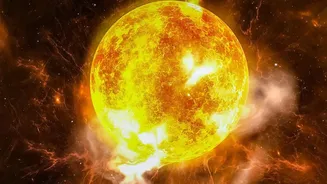
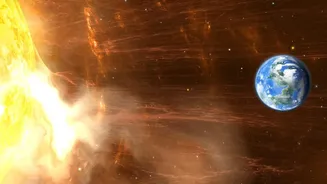
During solar maximum, the sun is more likely to produce two major types of events: solar flares and coronal mass ejections (CMEs). A solar flare is an enormous burst of electromagnetic radiation, including X-rays, that travels at the speed of light, reaching Earth in just over eight minutes. A CME, on the other hand, is a massive eruption of magnetised plasma from the sun's outer atmosphere, the corona. These billion-tonne clouds of solar material travel more slowly, taking anywhere from a few hours to several days to reach Earth. While flares can cause radio blackouts, CMEs are responsible for the most significant impacts on our technology, as they can trigger powerful geomagnetic storms.
The Risk to Our Modern World
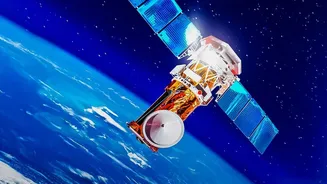
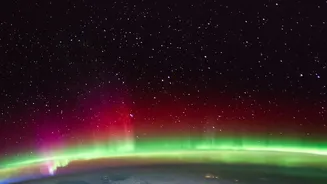
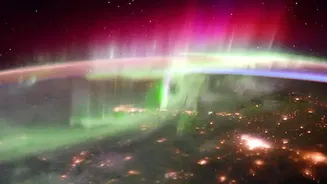
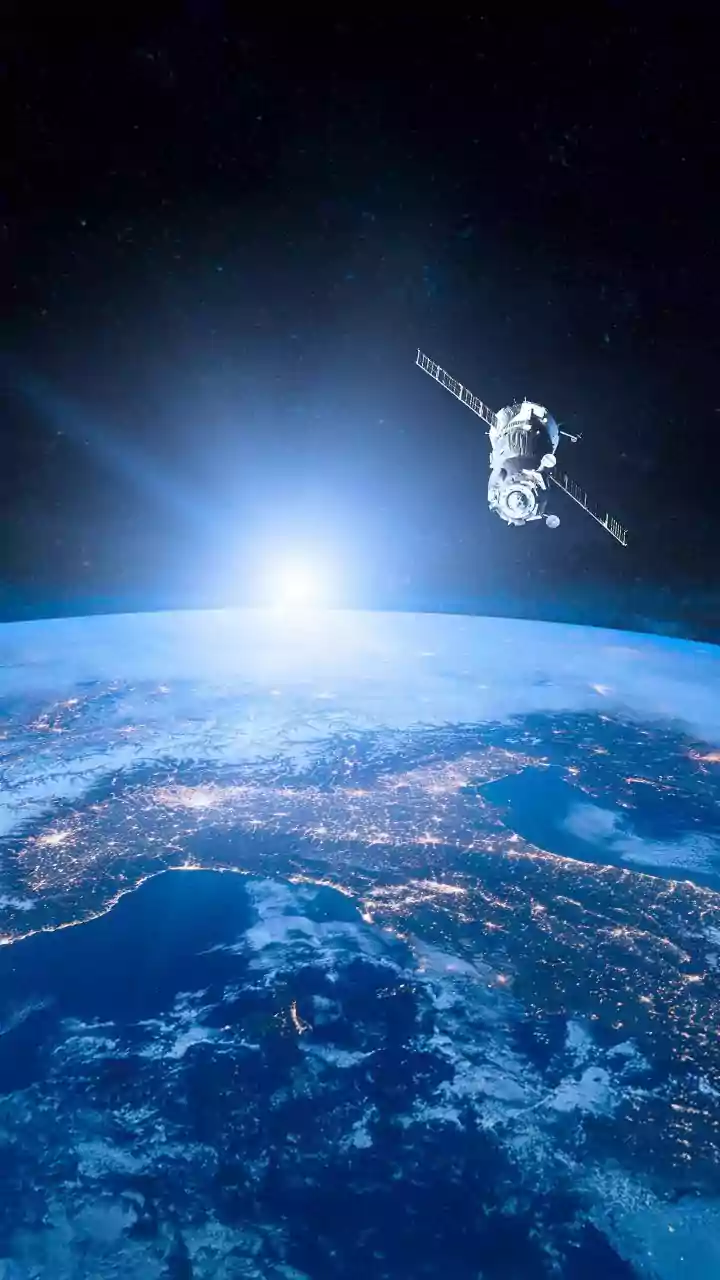
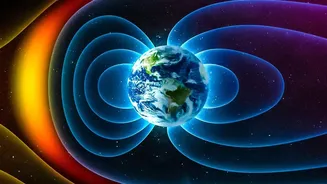
Our dependence on technology makes us vulnerable to the effects of space weather. A strong geomagnetic storm can induce powerful electrical currents in power grids, potentially overloading transformers and causing widespread blackouts. Satellites are also at high risk; the increased radiation can damage their sensitive electronics, disrupting GPS navigation, mobile phone networks, and TV broadcasting. This can affect everything from financial transactions to air travel. On a positive note, these storms also produce beautiful auroras (the Northern and Southern Lights). During the intense storm of May 2024, auroras were visible from as far south as Ladakh, a rare sight for India.
India's Eye on the Sun: Aditya-L1
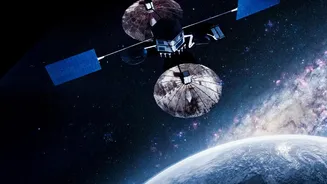
India is playing a crucial role in monitoring this solar cycle with its first dedicated solar observatory, Aditya-L1. Launched by ISRO in September 2023, the spacecraft is positioned at Lagrange Point 1 (L1), about 1.5 million kilometres from Earth. This unique vantage point allows it to observe the sun continuously without any obstruction from the Earth or moon. Aditya-L1 is equipped with seven payloads designed to study the sun's atmosphere, solar flares, and CMEs. Its primary goal is to provide crucial data that can help us understand the sun's dynamics and improve our ability to forecast space weather events, giving us an early warning system to protect our vital infrastructure on Earth and in space.