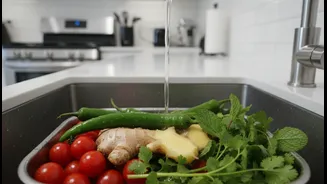









The Hidden Risks in Fresh Ingredients
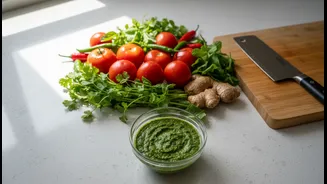
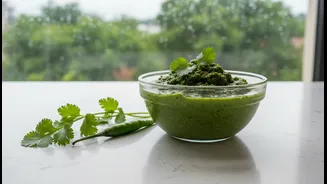
The journey of your favourite dhaniya-pudina chutney begins long before it reaches your kitchen. Fresh herbs like coriander and mint, along with other raw ingredients, are exposed to soil, dust, and environmental pollutants. They can carry pesticide residues
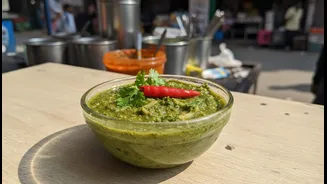
and harmful bacteria like E. coli, Salmonella, and Listeria. These pathogens, invisible to the naked eye, can cause foodborne illnesses with symptoms ranging from stomach cramps to severe infections. Studies on street-vended chutneys have highlighted contamination risks, often linked to the quality of water used for washing and the overall hygiene of preparation surfaces like chopping boards. Even at home, improper handling can introduce these contaminants into what should be a healthy condiment.
A Guide to Thorough Washing
Simply rinsing herbs under running water is often not enough. For leafy greens like coriander and mint, a more robust cleaning method is required to dislodge grit and microbes. A good practice is to first remove any wilted or yellowed leaves. Then, submerge the herbs in a large bowl of cold water and swish them around gently. Lifting the herbs out of the water, rather than pouring the water out, prevents the dirt from settling back onto the leaves. For an extra layer of safety, you can add a small amount of salt or vinegar to the water and let the herbs soak for a few minutes before a final rinse under clean, running water. This process is vital as these herbs are often consumed raw in chutneys, without any cooking process to kill bacteria.
Hygiene During Preparation
Your food safety efforts shouldn't stop after washing the ingredients. Every surface and tool that comes into contact with your chutney must be scrupulously clean. This includes your hands, chopping board, knives, and especially the grinder or blender jar. Use separate cutting boards for produce and raw meats to avoid cross-contamination. Ensure the grinder jar is washed with soap and hot water and is completely dry before you add your ingredients. Any moisture left in the jar can hasten spoilage. Taking these extra moments to ensure a clean preparation environment is a non-negotiable step for safe, delicious chutney.
Smart Storage for Longer Shelf Life
Freshly made chutney, especially the common green variety, has a very short shelf life if left at room temperature. To preserve its flavour and safety, it must be stored correctly. For short-term use, place the chutney in a clean, dry, airtight container and refrigerate it immediately. Adding a layer of oil on top can act as a barrier against air, reducing oxidation and spoilage. Natural preservatives like lemon juice or vinegar not only add tang but also lower the pH, making the environment hostile for bacteria. For longer storage, freezing is an excellent option. Pour the chutney into ice cube trays, and once frozen, transfer the cubes to a freezer-safe bag. This allows you to use small portions as needed, keeping the rest frozen for months. Opened refrigerated chutney should ideally be consumed within a few days to a week.