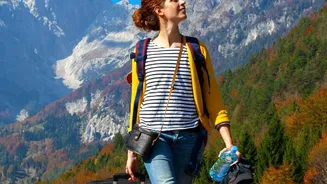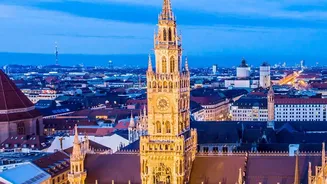



For decades, the classic European tour for Indian travellers meant ticking off a familiar list: Paris, Rome, the Swiss Alps. But a major shift is underway, with the lively beer tents of Munich's Oktoberfest now anchoring a new kind of itinerary.
The New Centre of Gravity: Oktoberfest
The traditional
grand tour of Europe is facing stiff competition from a 16-day party in Bavaria. Munich's Oktoberfest, a world-famous folk festival of beer, food, and music, has become a powerful magnet for Indian tourists. Recent travel data shows a massive spike in interest, with air bookings from India to Munich for the 2026 festival period surging by nearly 60% compared to the previous year. This makes India the fastest-growing major market for the event. The appeal lies in its promise of a unique, immersive cultural experience that stands apart from typical museum visits. For a generation of travellers driven by social media and the fear of missing out, the vibrant, highly photogenic scenes from the festival grounds are proving irresistible.
The Ripple Effect on Itineraries
When a trip is built around a fixed event like Oktoberfest, the entire geography of the holiday changes. Instead of the classic London-Paris-Rome circuit, travellers are now opting for routes that are logistically simpler from Munich. This has led to a pivot towards Central and Eastern Europe. Itineraries featuring Prague, Vienna, Budapest, and even parts of Switzerland are becoming increasingly common. A German Schengen visa allows access to 28 other European countries, making it easy to build a multi-city tour starting from Munich. This shift also aligns with a broader trend of Indian travellers seeking destinations that offer better value for money compared to the expensive capitals of Western Europe.
Experience-Led Travel Takes Over
This trend is about more than just beer; it signals a fundamental change in travel philosophy from checklist tourism to experience-led journeys. Indian travellers are no longer content with just seeing landmarks; they want to participate in events. This is also reflected in the duration of their trips. While short stays are still common, data shows the strongest growth is in trips lasting 14 nights or more. A longer duration allows visitors to immerse themselves in the festival for a few days before using Munich as a base to explore the Bavarian countryside, including popular day trips to castles like Neuschwanstein. This move towards slower, more in-depth travel means spending more time in one region rather than rushing between cities.
The Practicalities of a Festival-Anchored Trip
Planning a trip around the world's largest folk festival requires foresight. With over six million visitors descending on Munich, flights and hotel prices surge months in advance. Accommodation during the festival can be a significant expense, with average daily hotel rates climbing to over €360 during peak periods. Despite this, the festival itself is surprisingly accessible. Entry to the grounds and the main beer tents is free; visitors only pay for what they eat and drink. This unique model allows travellers to manage their daily spending, even if the upfront costs for travel and lodging are high. Many seasoned visitors recommend attending on weekdays to avoid the intense weekend crowds and secure a spot in a tent without a reservation.
A Growing Trend Beyond Oktoberfest
While Oktoberfest is the most prominent example, it's part of a larger pattern of Indian tourists planning holidays around global cultural events, from music festivals to sporting competitions. Germany itself has seen a steady rise in tourism from India, becoming one of the top European destinations for Indian travellers. The country is actively promoting its cultural offerings, historic cities, and natural landscapes to attract this growing market. As more Indians seek out unique and shareable experiences, event-driven travel is likely to continue reshaping not just European itineraries, but the way international holidays are planned and perceived.