






The Great Millet Revival
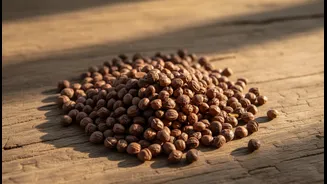
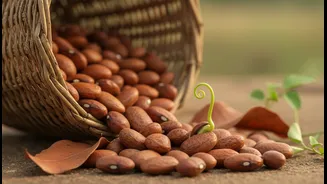
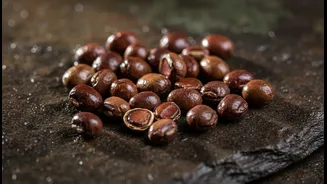
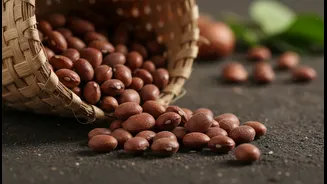
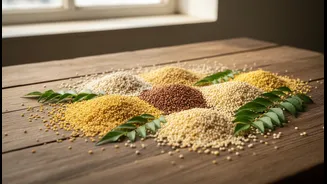
Not long ago, millets were often seen as humble foods, overshadowed by the dominance of rice and wheat. Today, they are hailed as 'superfoods' and 'nutri-cereals'. This resurgence isn't accidental. It’s driven by a global push for more sustainable and nutritious
food sources, culminating in the UN declaring 2023 the International Year of Millets, a proposal championed by India. Millets are drought-resistant and can grow in poor soil with minimal water, making them a climate-smart crop. Compared to rice, which requires thousands of litres of water per kilogram, millets have a significantly smaller environmental footprint. This combination of sustainability and nutrition is why they are being promoted as a solution to food security and a healthier future.
A Nutritional Powerhouse
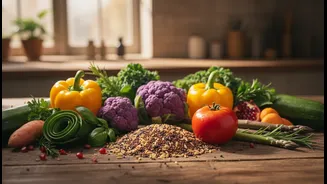
The health benefits of millets are impressive and scientifically backed. They are nutritional powerhouses packed with fibre, protein, vitamins, and essential minerals like iron, calcium, and magnesium. Most millets have a lower glycemic index compared to polished white rice and refined wheat, which means they release sugar into the bloodstream more slowly. This quality makes them an excellent choice for managing blood sugar levels and is particularly beneficial for people with diabetes. Furthermore, millets are naturally gluten-free, providing a great alternative for those with celiac disease or gluten sensitivity. Their high fibre content aids digestion, promotes a feeling of fullness to help with weight management, and can help lower cholesterol.
The Case Against Complete Replacement
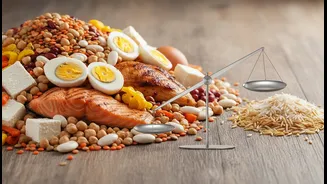
While the benefits are clear, the idea of completely replacing traditional staples like rice and wheat with millets is impractical and ignores cultural and dietary realities. For many, rice and wheat are more than just food; they are deeply woven into the fabric of daily life and traditions. A 2021 study noted that family eating customs and taste were major reasons people didn't consume more millets. Practical challenges also exist. Some millets have a unique, stronger taste and can require longer cooking times or specific preparation methods, like soaking, to reduce anti-nutrients such as phytic acid. Suddenly forcing a complete switch can feel disruptive and lead to resistance. Moreover, for some individuals, the high fibre content can initially cause digestive discomfort. People with thyroid issues are also sometimes advised to consume millets in moderation due to the presence of goitrogens.
Embracing Integration Over Substitution
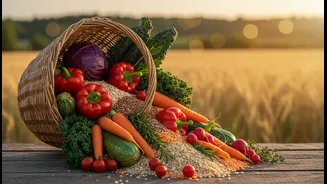
The most sustainable and enjoyable way to embrace millets is through gradual integration. Think of it as expanding your culinary toolkit, not throwing out your favourite tools. Start small and simple. Try replacing a portion of your regular rice with foxtail or little millet once or twice a week. You can mix millet flour, like jowar or bajra, with your whole wheat flour to make rotis. Breakfast is another easy entry point: ragi porridge, millet idlis, or upma are delicious and nutritious swaps. By adding millets to familiar dishes like pulao, khichdi, and dosas, you can enjoy their benefits without feeling like you're on a restrictive diet. This approach allows your palate—and your digestive system—to adapt, making the change a positive and lasting one.