







The Peak Season Problem
Leh's Kushok Bakula Rimpochee Airport, one of the highest commercial airports in the world, serves as a critical gateway to Ladakh. However, its existing infrastructure has struggled to keep pace with the region's booming popularity. During the short
summer tourist season, the small terminal is often overwhelmed. Limited flight capacity and high demand create a bottleneck, leading to exorbitant airfares and crowded, uncomfortable conditions for passengers. This situation has been a significant pain point for both tourists and locals, making travel planning a stressful and expensive affair. The airport currently handles around 18 flights a day, which is insufficient to manage the surge of visitors seeking to experience the Himalayan landscape.
A Glimpse of the Future
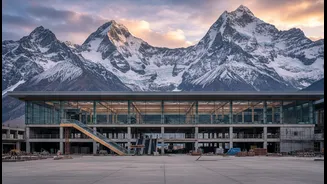
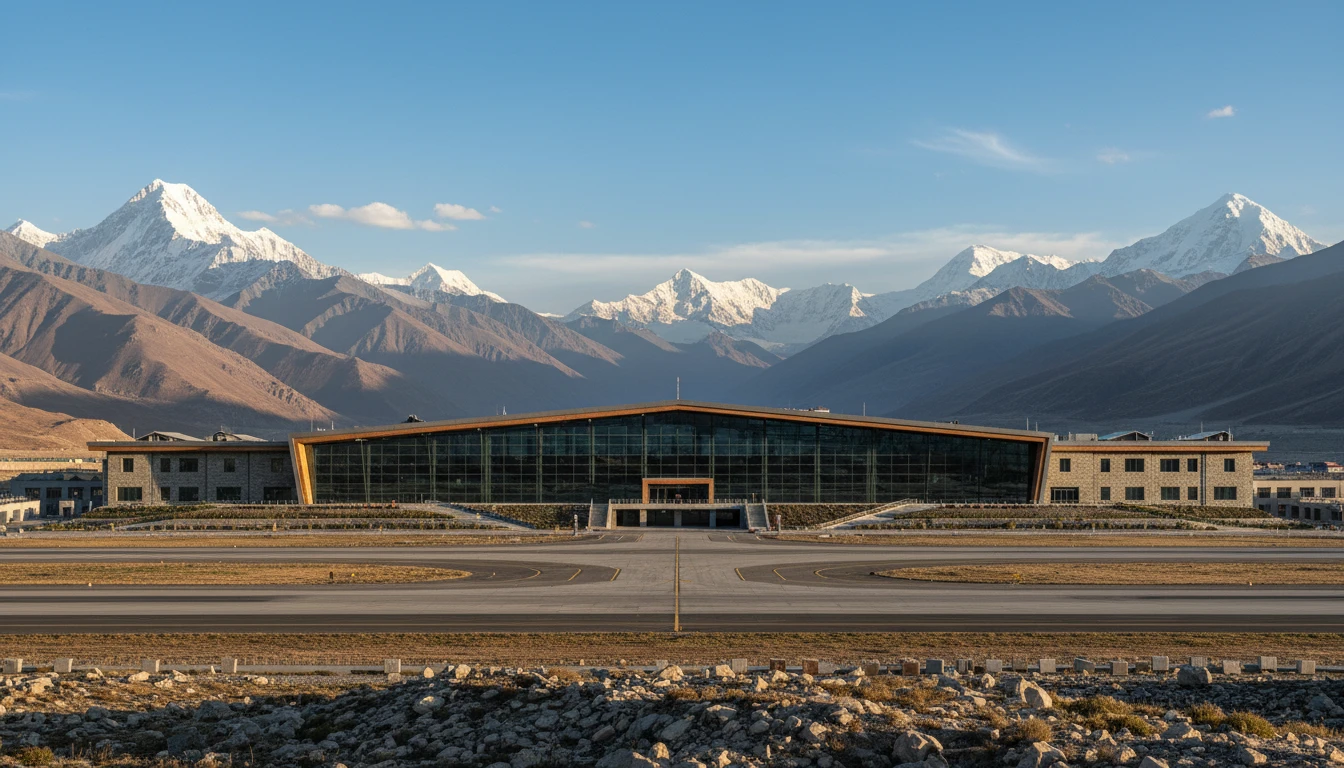
A state-of-the-art integrated terminal building is now in its final stages of construction, with recent reports from the Civil Aviation Minister confirming it is 83% complete. This ambitious project, constructed at an estimated cost of around ₹640 crore, is designed to transform the travel experience. Once operational, the new terminal will be able to handle up to 54 flights daily, effectively tripling the airport's current capacity. It is projected to serve up to 3.5 million passengers annually, a massive leap from the current 1.5 to 2 million. The multi-level building will feature modern amenities including 20 check-in counters, multiple baggage carousels, aerobridges, and spacious lounges, all designed to streamline passenger flow and enhance comfort.
What It Means for Travellers
The most significant potential benefit for travellers is increased flight availability and, hopefully, more competitive pricing. With the capacity for three times as many flights, airlines will have more slots, which could ease the fare pressure that characterises the peak season. The improved infrastructure promises a smoother, more comfortable journey through the airport itself. The new terminal is designed to handle 2,000 passengers during peak hours, drastically reducing the congestion and long queues that plague the current facility. Furthermore, the building incorporates advanced and sustainable technologies. It is set to be India's first airport to use a geothermal system for heating and cooling, supplemented by a large solar power plant, making it a carbon-neutral facility. This ensures a comfortable temperature inside, a welcome feature in Ladakh's extreme climate, while being environmentally conscious.
The Bigger Picture: A Double-Edged Sword
While the airport upgrade is a welcome development for connectivity and tourism, it also raises important questions about sustainability. Making it easier and cheaper for more people to visit Ladakh will undoubtedly place greater strain on the region's fragile ecosystem. Overtourism is already a significant concern, with issues like water scarcity, waste management, and pollution becoming more acute. The influx of tourists has led to a construction boom and increased pressure on limited resources like water, with some reports noting that hotels catering to tourists consume far more than local households. The increase in waste, particularly single-use plastics, is another challenge in a region that traditionally had a circular, waste-free economy. Environmentalists and some locals worry that without robust regulations and a focus on sustainable practices, the very beauty that draws tourists to Ladakh could be endangered.