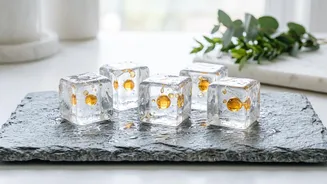





The latest viral skincare hack involves freezing retinol into ice cubes for a supposed two-in-one anti-ageing and de-puffing treatment. But before you head to the freezer, experts warn this trend could do more harm than good, especially for some.
What is the Retinol Ice Cube Trend?
Across
social media, you may have seen videos of people rubbing frozen cubes directly onto their faces, promising the ultimate skincare shortcut. The idea is to combine the anti-ageing power of retinol with the de-puffing, inflammation-reducing benefits of skin icing, also known as cryotherapy. The trend involves pouring a retinol serum into an ice cube tray, freezing it, and then applying the frozen block directly to the skin. The promise is a potent, chilled treatment that tightens pores, reduces puffiness, and delivers a powerful dose of vitamin A all at once. It seems like a brilliant way to multitask your routine, but the science behind both retinol and skin icing suggests this combination is a disaster waiting to happen.
Why Retinol is a Skincare Powerhouse
First, it's important to understand what you're dealing with. Retinol is a derivative of vitamin A and is considered the gold standard in anti-ageing skincare for good reason. It works by accelerating skin cell turnover and stimulating collagen production. This process helps to smooth fine lines, even out skin tone, improve texture, and even help manage acne. However, this potency comes with a catch. Retinol is a notoriously delicate and powerful active ingredient that can cause irritation, redness, dryness, and increased sun sensitivity, especially when you first start using it. This is why dermatologists always advise a 'go low and slow' approach: starting with a low concentration just a couple of nights a week.
The Problem with Freezing Retinol
Retinol is a highly unstable molecule, meaning its effectiveness can be compromised by exposure to air, light, and extreme temperatures. Skincare products are carefully formulated to remain stable at room temperature. When you freeze a retinol serum, you risk destabilizing the entire formula. The freezing process can cause the ingredients to separate, which could render the retinol ineffective or, worse, lead to an uneven application of the active ingredient. Furthermore, freezing can mess with the product's preservative system, potentially allowing bacteria to grow once thawed. While some suggest refrigerating retinol can prolong its shelf life, freezing is a step too far that can irreversibly damage the product's texture and efficacy.
A Major Risk for Sensitive and Damaged Skin
The core issue highlighted in the headline is the risk to sensitive or compromised skin, and this is where the trend becomes truly dangerous. People with conditions like rosacea, eczema, or even just naturally sensitive skin have a delicate skin barrier. Applying an ice cube directly to the face is already a bad idea, as the extreme cold can cause redness, irritation, and even broken capillaries. It can also strip the skin of its natural oils, leading to more dryness. Now, combine that physical stress with a powerful, potentially irritating active like retinol. You are essentially attacking a weakened skin barrier from two different angles. This can trigger severe inflammation, flare-ups, and lasting damage. Rubbing a jagged ice cube on the skin can also create microtears, further damaging the barrier and increasing sensitivity.
What Dermatologists Recommend Instead
Experts are clear: skip this DIY hack. That doesn't mean you have to give up on the benefits of cold therapy or retinol. You just need to use them correctly and separately. If you want to de puff your face, use a proper skin icing technique. Wrap an ice cube in a soft, clean cloth and gently glide it over your skin for no more than a minute or two. Never apply ice directly to bare skin. This should be done on a clean face before applying any products. After your face is clean and completely dry, you can then apply your retinol serum. Remember to use only a pea sized amount for your whole face and follow up with a good moisturizer to support your skin barrier.