




Why Are Car Prices Climbing Now?
Several of India's largest carmakers, including Maruti Suzuki, Tata Motors, and Hyundai, have announced price increases in recent weeks. This isn't a random decision but a reaction to a mix of economic pressures that have been building for months. The
primary reason cited by manufacturers is the sustained increase in input costs. This refers to the rising prices of raw materials essential for building a car, such as steel, aluminium, and precious metals used in components like catalytic converters. On top of material costs, ongoing geopolitical uncertainties and macroeconomic factors are contributing to the financial strain on automakers. Companies state that while they have tried to absorb these rising costs, they are now forced to pass a portion of the burden onto customers. This trend of smaller, more frequent price hikes has become more common in 2026 as manufacturers try to protect their profit margins against inflation.
Which Segments Are Most Affected?
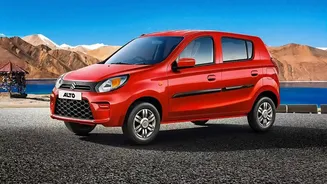
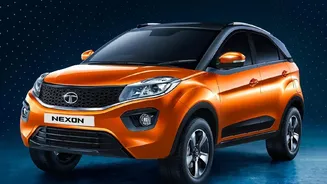
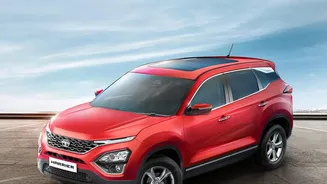
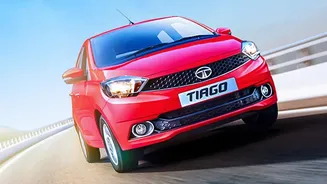
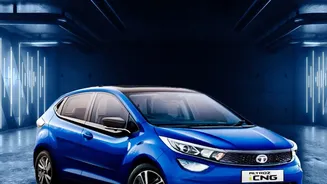
The price hikes are not uniform and vary across different models and variants. For instance, Maruti Suzuki's recent increase ranges from ₹2,500 on entry-level models like the Alto to as much as ₹30,000 on certain variants of the Baleno. Tata Motors has announced a hike of up to ₹25,000 across its portfolio, affecting both its popular internal combustion engine (ICE) cars and its growing range of electric vehicles (EVs). Hyundai is implementing a more modest-sounding hike of up to 1%, which can still translate to a significant amount on higher-end models. The increases are broad-based, impacting everything from small hatchbacks and sedans to the immensely popular SUV segment. This means that no matter what type of car you are in the market for, it is likely to be slightly more expensive now than it was a few months ago.
Rethink Your Budget for Total Ownership Cost
With rising sticker prices, it’s more important than ever to look beyond the ex-showroom cost. A car's total cost of ownership (TCO) includes insurance, fuel, regular maintenance, and potential loan interest. These associated costs are also subject to inflationary pressures. Before you fixate on a specific model, recalculate what you can comfortably afford each month. This might mean considering a different variant that offers better fuel efficiency or lower maintenance expenses. A slightly lower-spec car that fits well within your overall budget is a much smarter financial decision than a top-end model that stretches your finances thin over the next five to seven years. A disciplined approach to budgeting will prevent buyer's remorse down the line.
Don't Assume Discounts Have Disappeared
Even with official price hikes, the festive season remains a highly competitive period for car sales in India. Dealers and manufacturers are under pressure to meet ambitious sales targets and will still roll out attractive offers. Look for festive deals that can help offset the price increase. These often come in the form of cash discounts, exchange bonuses for your old car, corporate discounts, and waived processing fees on loans. Sometimes, dealers may throw in free accessories or an extended warranty package. Don't hesitate to negotiate. The final on-road price is often flexible, and a well-informed buyer who has compared offers from multiple dealerships is in a strong position to secure a better deal.
Explore the Pre-Owned Market and Older Models
If the new car of your dreams is now just out of reach, it may be the perfect time to explore the certified pre-owned (CPO) market. CPO vehicles are typically low-mileage, thoroughly inspected by the manufacturer, and come with a warranty, offering peace of mind similar to a new car but at a significantly lower price point. Another strategy is to look for deals on outgoing models or unsold inventory from the previous model year. As new facelifts and updated versions arrive in showrooms, dealers are often eager to clear out older stock, creating an excellent opportunity for bargain hunters. You might get a brand-new car with all the features you want, just from a slightly older manufacturing batch, at a substantial discount.