





A Small Space with a Big Impact
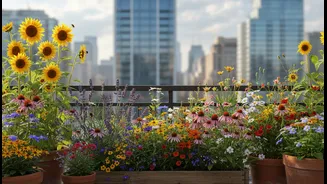
Urbanisation can fragment natural habitats, leaving pollinators with fewer resources. However, even a small collection of flowering plants on a balcony can act as a crucial stepping stone or refueling station for these creatures as they navigate the city.
Creating a pollinator-friendly space is a simple, powerful way to boost local biodiversity, inviting nature right to your doorstep and contributing to a healthier urban environment. Studies have shown that cities with green spaces and gardens can actually serve as important refuges for pollinators.
The Pollinator Plant Playbook
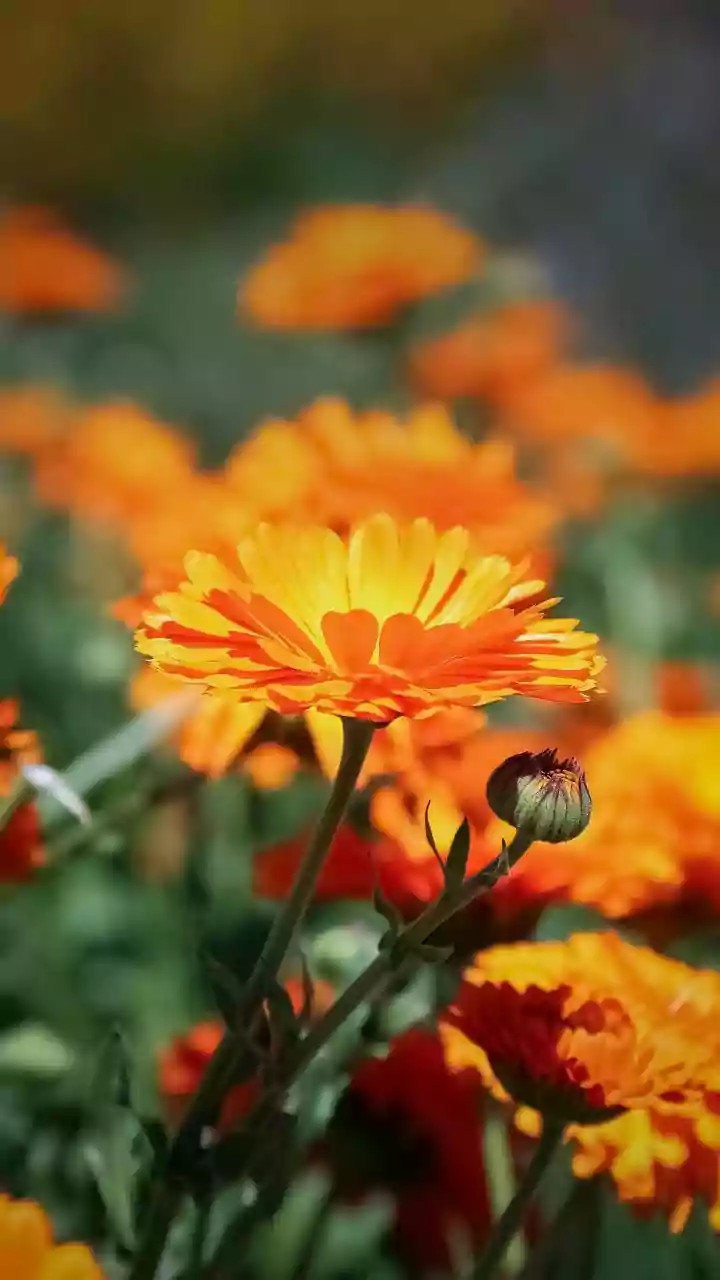
The key to attracting pollinators is to offer a rich buffet of nectar and pollen. For Indian balconies, a mix of hardy, beautiful, and accessible plants is the best approach. Marigolds (Genda) are an excellent choice, as their bright yellow and orange blooms are irresistible to bees and butterflies, and they tolerate the climate well. Sacred Basil (Tulsi) is another powerhouse; while valued for its medicinal properties, its small flowers are a magnet for beneficial insects. For a splash of purple and a lovely fragrance, Lavender is a favourite of bees. If you have railings or a trellis, the fast-growing Butterfly Pea climber offers beautiful blue flowers. Other fantastic options for pots include Zinnia, Salvia, Petunia, and Hibiscus, all of which are known to attract a variety of pollinators. Aim for a variety of flower shapes and colours to attract a wider range of visitors.
Pots, Soil, and Sunshine
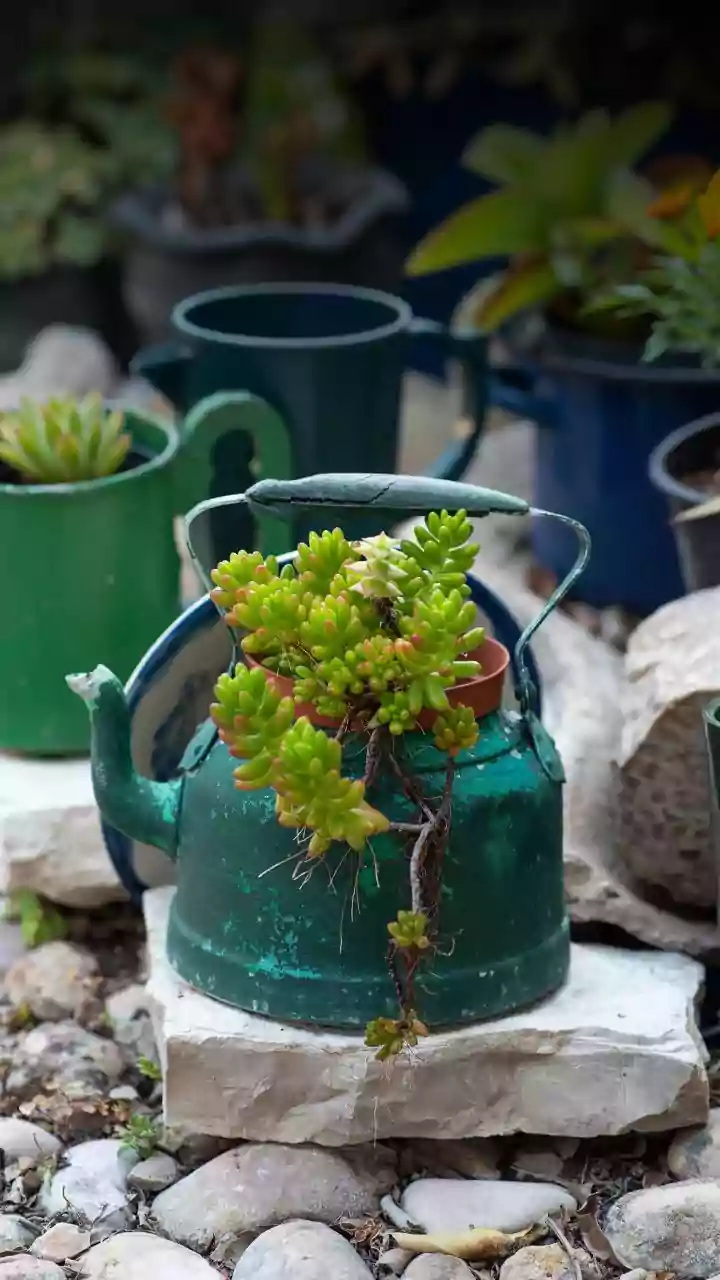
Success in balcony gardening starts with the right foundation. Before you buy plants, observe your balcony to see how many hours of direct sun it gets. South and west-facing balconies are great for sun-lovers like Marigold and Hibiscus, while shadier spots suit herbs and some leafy greens. When choosing containers, ensure they have drainage holes to prevent root rot, a common issue in pots. Terracotta pots are a good option as they are porous, but lightweight grow bags or recycled containers also work well. Avoid using dense garden soil, which compacts easily in pots. Instead, use a quality potting mix, often a combination of soil, coco peat, and compost, which provides good drainage and nutrients for healthy root growth.
Creating a Complete Haven
A true pollinator paradise offers more than just flowers. One of the most important things you can do is avoid using chemical pesticides, which can harm or kill the very insects you're trying to attract. If you notice pests, try natural remedies like a spray of neem oil. You can also provide a shallow dish of water with a few pebbles or marbles in it. This gives bees and butterflies a safe place to land and drink without the risk of drowning. Finally, don't be afraid to be a little 'messy.' Leaving some fallen leaves in a corner can provide shelter for beneficial insects.
A Garden for All Seasons
To provide a reliable food source, try to have something in bloom for as much of the year as possible. This involves planning for different seasons. Many annuals like Marigolds and Zinnias provide continuous colour through the hot months with regular care. Perennials like Lavender and Salvia will return year after year. By including plants with different flowering times, you ensure that your balcony is a dependable resource for pollinators from spring through autumn. This not only supports wildlife but also keeps your balcony looking vibrant and full of life throughout the year.