



Phase 1: The Great Counter Declutter
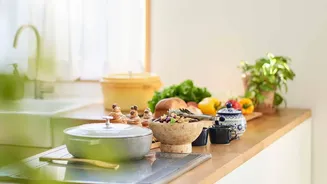
The first step to a functional festive kitchen is reclaiming your countertops. They are your primary workspace, but often become magnets for mail, keys, and appliances you rarely use. Before any cleaning begins, perform a swift but ruthless declutter.
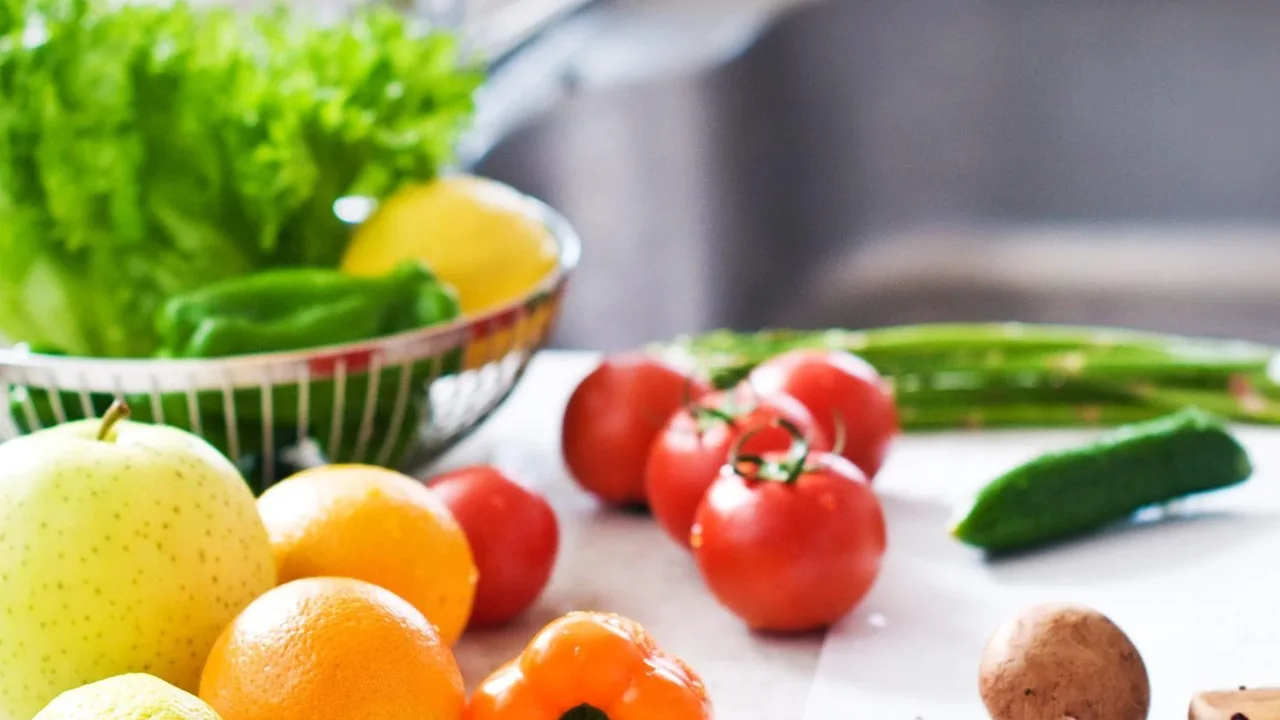
Move any non-essential items out of the kitchen temporarily. This isn’t about achieving a perfect, minimalist look; it’s about creating enough clear space to chop, mix, and assemble without constantly shifting things around. Put away the toaster or stand mixer if they aren't needed for your festive menu. This single act creates an immediate sense of order and provides the physical space required for large-scale prep work.
Phase 2: A Strategic Inventory Check
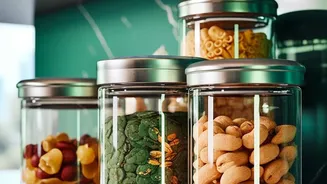
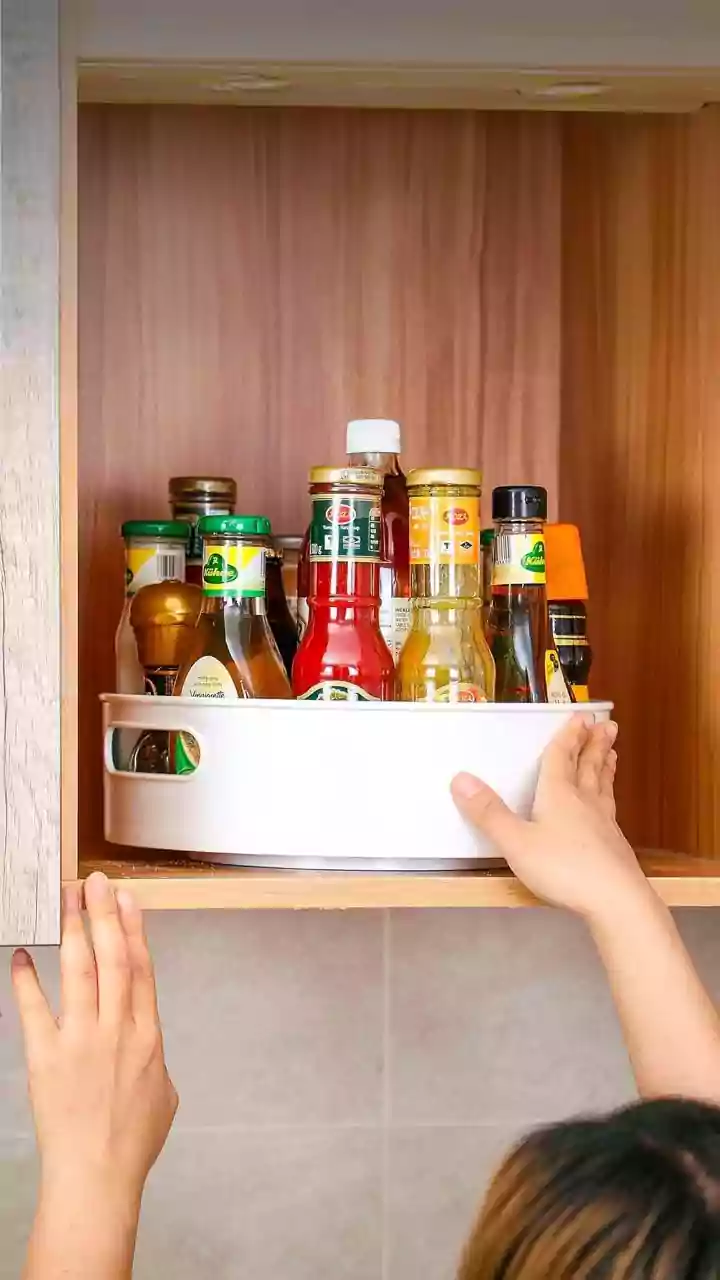
Nothing slows you down like realising mid-recipe that you’re out of a key spice or that your baking powder expired last year. Before you shop, take a full inventory. Start with the pantry. Check expiration dates on spices, flours, and other baking essentials. Group similar items together so you can see what you have at a glance. Next, move to the fridge and freezer. Discard any old leftovers or expired condiments to make room for fresh ingredients and, eventually, the delicious festive food. This audit prevents last-minute store runs and avoids buying duplicates, saving you time and money.
Phase 3: The Focused Deep Clean
With the clutter gone, you can focus on cleaning the areas that matter most. A full deep clean can be overwhelming, so prioritise high-traffic zones. Give your oven a thorough scrub, especially if it has lingering grease from past feasts. Wipe down the inside of your microwave and refrigerator. Clean the stovetop, removing grates to soak and scrub them properly. Don’t forget the sink; a sparkling sink can make the entire kitchen feel fresher. Finally, wipe down cabinet handles and appliance doors. This focused clean ensures your cooking environment is hygienic and ready for action.
Phase 4: Set Up Your Workflow
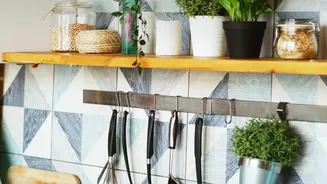
Professional chefs use a system of designated workstations to maintain efficiency, and you can apply the same logic at home. Think about your cooking process and create zones. You might have one area for chopping vegetables, another for mixing batters, and a third near the stove for active cooking. Make sure all the tools you need for each zone are close at hand. Use drawer dividers to organise utensils so you aren't hunting for a spatula while something is about to burn. This creates a logical flow, minimising unnecessary movement and keeping the process organised even when you're juggling multiple dishes.
Phase 5: Embrace 'Mise en Place'
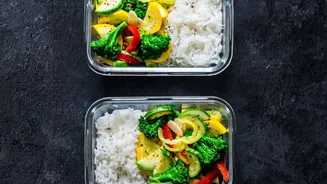
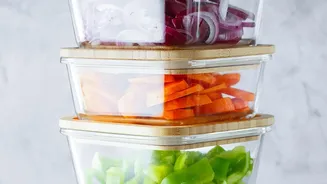
The ultimate pro-chef secret is 'mise en place', a French term meaning 'everything in its place'. It's a mindset focused on preparing all your ingredients before you start cooking. After planning your menu, read through each recipe and do all the chopping, measuring, and peeling in advance. Place prepped ingredients in small bowls. This practice dramatically reduces stress during the actual cooking process. Instead of frantically chopping an onion while oil heats on the stove, you can focus entirely on the cooking technique, timing, and flavour. It transforms cooking from a chaotic rush into a calm, controlled, and far more enjoyable activity.