


The Secret Is Out: Meet Gongura
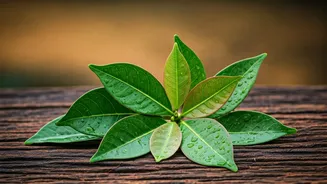
The leaf in question is gongura, also known as sorrel leaves or roselle. While it grows in various parts of the country and is called pulichakeerai in Tamil and ambadi in Marathi, it is in the heart of Telugu cuisine, across Andhra Pradesh and Telangana,
that this leaf achieves legendary status. What makes gongura so special is not its texture or colour, but its taste: a distinct, powerful, and utterly delightful sourness. This is not the sharp tang of lemon or the fruity tartness of tamarind, but a clean, earthy sourness that transforms any dish it graces. There are two main varieties: one with green stems and a milder flavour, and another with red stems, which is known for being more intensely sour.
The Soul of Andhra Cuisine
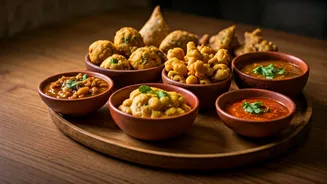
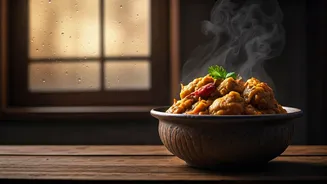
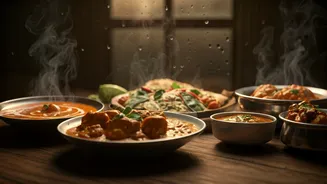
To say gongura is popular in Andhra cuisine is an understatement; it is an identity. It is the star of what is arguably the region’s most iconic dish: Gongura Pachadi. This fiery and tangy chutney, or relish, is a staple in homes and restaurants, a beloved accompaniment that can make a simple meal of rice and ghee feel like a feast. But its versatility doesn't stop there. The leaves are cooked with lentils to make Gongura Pappu, a dal where the sourness of the leaves perfectly balances the earthiness of the lentils. For non-vegetarians, Gongura Mamsam (mutton) and Gongura Royyalu (prawns) are legendary preparations where the tangy leaves cut through the richness of the meat, creating a complex and unforgettable flavour profile.
A Nutritional Powerhouse
Beyond its incredible flavour, gongura is also packed with health benefits. It is a rich source of essential nutrients, making it a valuable addition to any diet. The leaves are loaded with iron, making them beneficial for combating anemia. They are also an excellent source of vitamins C, A, and B6, as well as folate. This nutritional profile means gongura can help boost the immune system, is good for eyesight, and contributes to healthy skin. Furthermore, it contains minerals like calcium and magnesium, which are important for maintaining bone health. Traditional uses also suggest it has anti-inflammatory properties and can aid digestion.
Bringing the Tang into Your Kitchen
Intimidated by a new ingredient? Don't be. Cooking with gongura is surprisingly straightforward. The simplest way to start is by making Gongura Pappu. Just add a handful of chopped leaves to your regular toor dal while it cooks; the leaves will wilt and impart their unique tanginess. For a simple sauté, temper some oil with mustard seeds, garlic, and red chillies, then add the washed gongura leaves and cook until they wilt into a delicious, pulpy mass that can be eaten with rice or roti. Remember, because of its natural sourness, you won't need to add other souring agents like tomato or tamarind in the same quantity, if at all. The key is to balance its powerful tang with spice and salt.
Where to Find This Green Gem
While not as universally available as spinach, gongura is becoming easier to find, especially in larger cities. Your best bet is to check South Indian grocery stores or specialty vegetable vendors. Farmers' markets are also a good place to look, especially during the summer and monsoon seasons, when it is typically harvested. When buying, look for fresh, unwilted leaves. They don't have a very long shelf life, so it's best to use them within a few days of purchase. If you can't find it fresh, you might come across the famous Gongura Pachadi in jars, offering a delicious, ready-made taste of this Andhra icon.