







The Search for 'Hushpitality'
The days of predictable summer holidays spent in overcrowded hubs like Shimla or Manali are evolving. A significant shift in traveller mindset, sometimes called 'anti-tourism', is driving people to ditch chaotic, overstuffed tourist traps for deeper,
quieter escapes. This isn't about avoiding travel, but rather about avoiding 'overtourism'—where a destination is overwhelmed by more visitors than it can handle, straining infrastructure and local life. Recent findings highlight this change; one report noted that 81% of Indian travellers are open to visiting lesser-known destinations. The primary motivation for many is simple: relaxation. A 2026 travel outlook report found that relaxation was the main travel goal for 67% of Indian respondents, who are increasingly prioritising forest walks, local markets, and unplanned time over packed itineraries. This trend towards 'hushpitality' is defined by quiet surroundings, fewer people, and a connection with nature.
What's Driving the Change?
Several factors are fuelling this move towards the path less travelled. The post-pandemic world has left many with a desire for space and mental wellbeing, with 86% of travellers saying travel helps them recharge in a way they can't at home. There's also a growing weariness of social media-driven destinations, where the reality often fails to live up to the filtered perfection. A Skyscanner report found that 88% of Indian travellers liked the idea of visiting a place that hadn't already saturated their social media feeds. Beyond this, a conscious shift is underway. Travellers are becoming more aware of where their money goes, preferring to support local families, independent artisans, and neighbourhood guides rather than large corporate chains. This has given rise to 'slow travel', where the goal is to stay longer in one place, soak up the culture, and form a genuine connection with the destination.
Spotlight on Emerging Gems
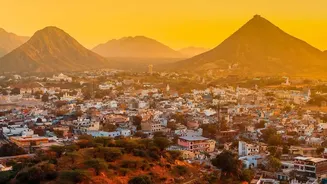
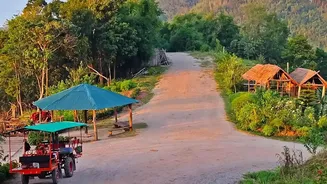
As this trend grows, India's diverse landscape offers countless alternatives. Destinations once considered remote are now becoming accessible and appealing. In Himachal Pradesh, the serene Tirthan Valley offers an escape far from the madding crowd. In the Northeast, places like Ziro in Arunachal Pradesh, known for its picturesque rice fields, and Majuli in Assam, one of the world's largest river islands, are attracting those seeking unique cultural experiences. Down south, coastal Karnataka offers tranquil beach towns like Gokarna as an alternative to bustling Goa, while the misty hills of Valparai in Tamil Nadu provide a quiet retreat for nature lovers. These are not just places to see, but to experience—through community-based tourism, homestays, and participation in local life, offering a richer, more meaningful journey.
An Opportunity with Responsibilities
This shift presents a golden opportunity for the economies of smaller towns and rural areas. Tourism can become a significant job creator, providing livelihoods for guides, drivers, artisans, and small business owners, thereby boosting regional development. It also encourages the preservation of local culture and heritage, as authenticity becomes a prized asset. However, this opportunity is a double-edged sword. Unregulated tourism can quickly lead to the very problems travellers are trying to escape: environmental strain, pressure on limited resources like water, and the erosion of local culture. Without careful planning, a hidden gem can quickly become another overwhelmed hotspot, losing the very charm that made it special.
Travelling with a Positive Impact
For this trend to be truly beneficial, responsible travel is key. Travellers can make a positive impact with a few conscious choices. Opting for locally owned homestays and guesthouses ensures that money flows directly into the community. Supporting local artisans by buying handicrafts directly, eating at small family-run eateries, and hiring local guides helps preserve traditions and create sustainable livelihoods. It’s also crucial to be mindful of the environment. This includes minimising plastic use by carrying a reusable water bottle, staying on marked trails during treks to prevent soil erosion, and conserving water, which is a precious resource in many parts of India. Respecting local customs, traditions, and sacred spaces is fundamental to ensuring a positive cultural exchange.