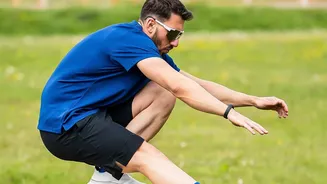






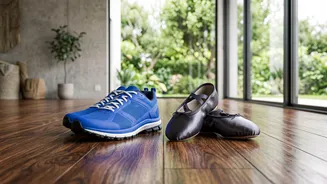
Tired of the gym? Taking your workout outdoors is a great way to stay fit and engaged. Two popular, yet very different, options are hiking and skateboarding. Your choice might depend on what you want from your fitness routine, especially your core.
The Core of the Matter
At
the heart of the debate is how each activity targets your core—the muscles in your abdomen, lower back, and pelvis. Hiking engages the core as a stabilising force. As you navigate uneven trails, climb inclines, and descend hills, your core muscles work constantly to keep you balanced and upright, protecting your spine. This builds functional, endurance-based core strength. Skateboarding, on the other hand, requires dynamic and constant core activation. Every push, turn, and trick involves micro-adjustments and weight shifts controlled by your abs and obliques to maintain balance on a moving board. It's a faster, more reactive type of core workout.
Full-Body Workout Breakdown
Beyond the core, both sports offer a fantastic full-body workout, but they recruit muscles differently. Hiking is predominantly a lower-body endurance exercise. It thoroughly works your glutes, quadriceps, hamstrings, and calves, especially on varied terrain. Carrying a backpack also engages your back and shoulder muscles. Skateboarding provides a more explosive, all-around challenge. Pushing off the ground targets your leg muscles, while crouching for balance and executing tricks engages your glutes and hamstrings. Virtually every muscle, including smaller stabilising ones around your hips and ankles, is fired up to control the board.
Cardio and Calorie Burn
Both activities are excellent for cardiovascular health. Hiking often acts as a steady-state cardio session, where you maintain an elevated heart rate for an extended period. A moderate hour of hiking can burn between 430 and 450 calories, depending on your weight and the difficulty of the trail. Skateboarding functions more like high-intensity interval training (HIIT), with bursts of intense effort followed by moments of coasting. Because of this, skateboarding can burn anywhere from 300 to over 500 calories per hour, with more intense sessions burning even more.
Accessibility and Getting Started
Practical considerations can also influence your choice. Hiking's biggest barrier is often location; you need access to trails, which might require travel. However, the initial equipment cost is low—a good pair of shoes is all you need to start. Skateboarding offers more flexibility in location. You can do it in a skatepark, on a quiet street, or in many urban public spaces. The initial investment includes a decent quality board and, crucially, safety gear like a helmet, wrist guards, and pads. While a board costs more than shoes, you can often skate right from your doorstep.
The Risk vs. Reward Factor
Every physical activity carries some risk of injury. With hiking, common issues include slips, trips, and falls leading to sprains, as well as joint strain from long descents. These risks can be managed with proper footwear and by choosing trails appropriate for your fitness level. Skateboarding generally has a steeper learning curve and a higher risk of impact injuries from falls, such as cuts, bruises, and fractures. Wearing protective gear is non-negotiable for reducing injury risk. However, mastering skateboarding skills offers a unique sense of accomplishment and resilience.
The Mental Escape
The mental benefits of these two activities are just as distinct as their physical ones. Hiking connects you with nature, which has been shown to reduce stress and improve mood. The steady rhythm of walking through a natural landscape can be meditative, offering a peaceful escape and a feeling of being present. Skateboarding provides a different kind of mental flow. It demands intense focus and concentration to balance, navigate obstacles, and land tricks. This 'flow state' can be a powerful stress reliever, providing an outlet for creativity and self-expression as you master new skills.