



The Science of Fermentation Explained
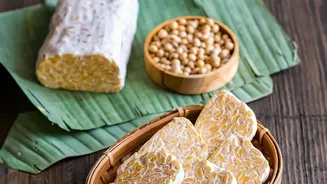
At its core, fermentation is a natural process where microorganisms like bacteria and yeast break down carbohydrates in food. This transformation does more than just preserve food; it creates a wealth of beneficial compounds. The process produces probiotics,
which are live, 'good' bacteria that support a healthy balance in your gut microbiome. It also makes food easier to digest by pre-breaking down complex components like proteins and carbs. Furthermore, fermentation can increase the bioavailability of essential nutrients like B vitamins and minerals, meaning your body can absorb them more effectively. Modern research increasingly shows that a diet rich in fermented foods can lead to greater microbial diversity in the gut, which is linked to a stronger immune system and reduced inflammation.
India's Time-Tested Fermentation Heritage
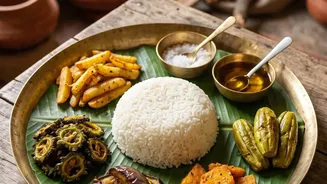
For thousands of years, Indian households have used fermentation as a practical method for preservation and enhancing nutrition, long before the underlying science was understood. From the Himalayan regions to the southern coast, a vast array of fermented foods and drinks are woven into the fabric of daily life. These traditions weren't born in a lab but through generations of observation about which foods promoted health and wellbeing. This culinary wisdom, passed down through families, has created staples that are not only delicious but are now recognized for their profound health benefits, many of which are being actively studied and confirmed by scientists today.
The Daily Probiotic Heroes: Idli, Dosa, and Dahi
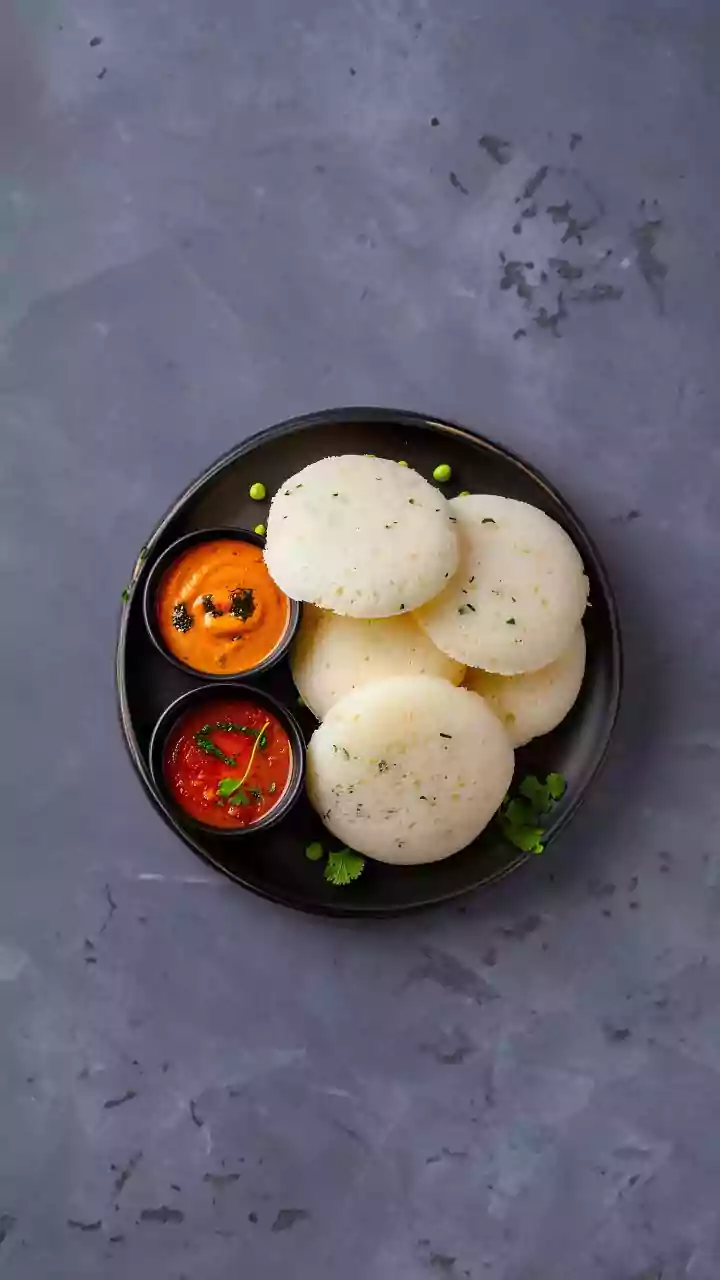
Some of the most powerful examples of Indian fermentation are also the most common. The batter for idli and dosa, made from rice and lentils, is fermented overnight. This process not only gives them their signature fluffy texture and tangy taste but also enriches them with probiotics like Lactobacillus. This pre-digestion makes these staples light on the stomach and easy to absorb. Similarly, dahi (homemade curd) is a cornerstone of the Indian diet and a natural probiotic powerhouse. A daily helping of dahi can help maintain a healthy gut flora, aid digestion, and reduce issues like bloating. These everyday foods are a simple yet effective way to consistently support your digestive system.
Beyond the Breakfast Table: Regional Fermented Drinks
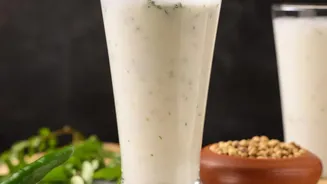
The diversity of Indian fermented foods extends to a variety of regional drinks designed for wellness. Kanji, a traditional North Indian drink made from fermenting black carrots or beets with mustard seeds, is packed with probiotics and antioxidants that aid digestion. In the south, Koozhu, a fermented millet porridge, is known for being gentle on the stomach. And across the country, Chaas (buttermilk), a diluted, spiced yogurt drink, is a go-to digestive aid after meals, helping to cool the system and prevent acidity. These beverages showcase how different cultures across India have harnessed fermentation to create functional, health-boosting drinks.
Why It's More Than Just Probiotics
The benefits of traditional Indian fermentation go beyond just providing live bacteria. The process also helps to break down 'anti-nutrients' like phytates, which are compounds found in grains and legumes that can block the absorption of minerals like iron and zinc. By reducing these anti-nutrients, fermentation unlocks more of the food's inherent nutritional value. The microorganisms also produce beneficial byproducts known as postbiotics, which include organic acids and enzymes that directly support gut health and reduce inflammation. This holistic process transforms a simple food into a multi_faceted tool for wellbeing, enhancing both its digestibility and its nutritional profile.