





A New Breed of Conservationist
In a state celebrated for its natural wonders, from the living root bridges to Asia's cleanest village, Mawlynnong, a new form of environmental stewardship is emerging. It doesn’t involve large government grants or corporate sponsorships. Instead, it is driven
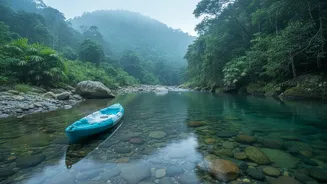
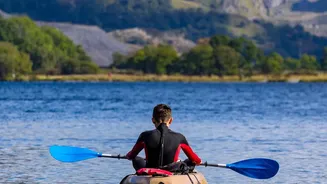
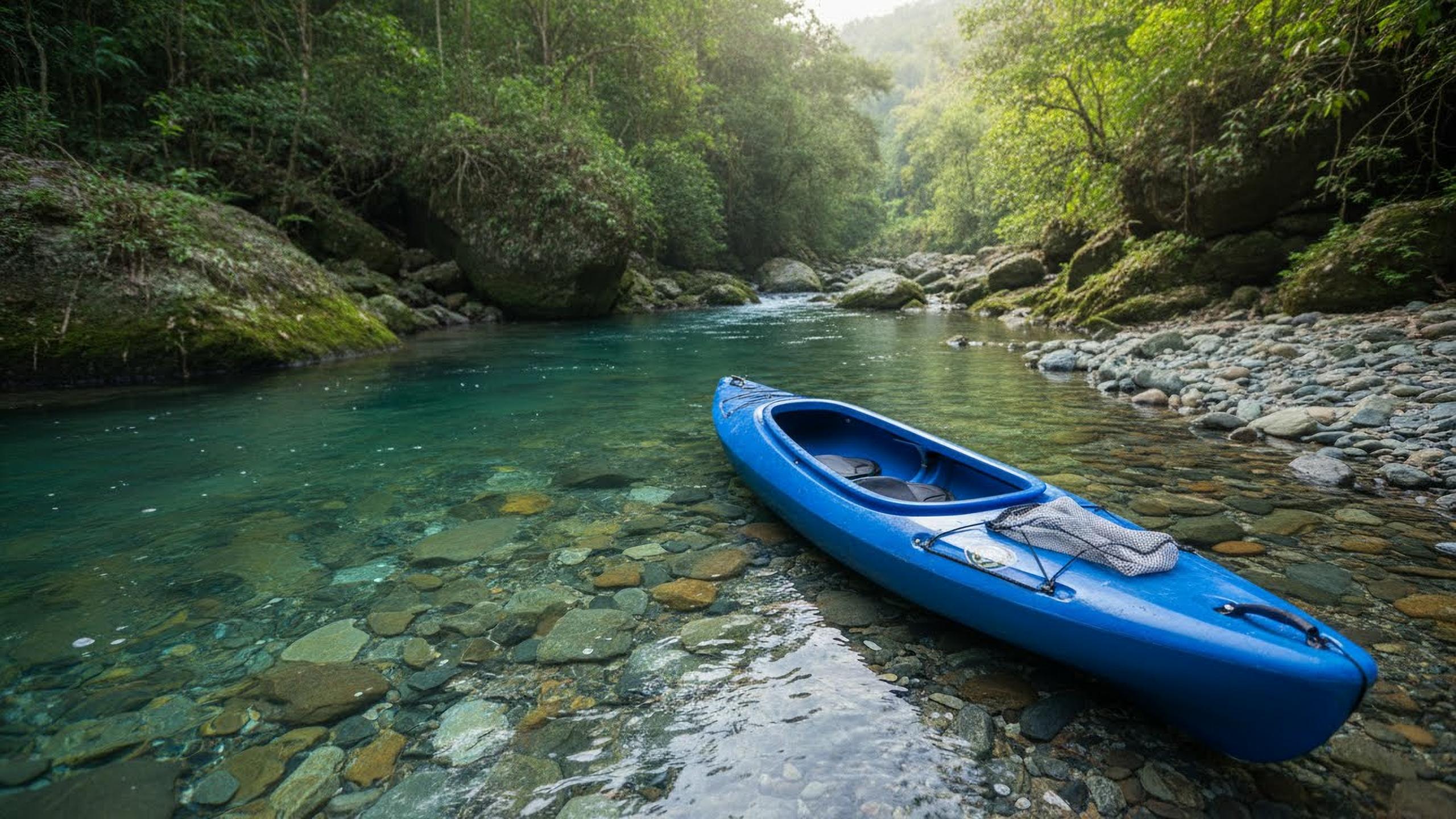
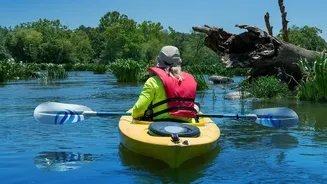
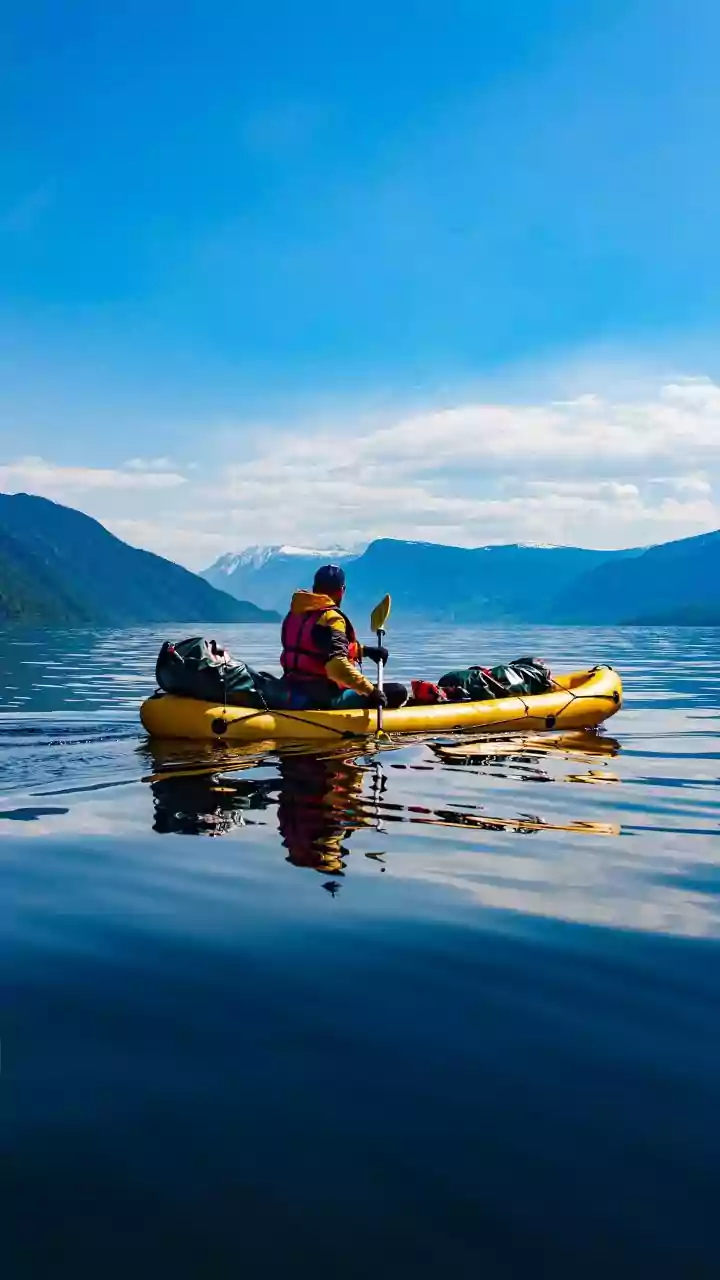
by individuals with a paddle, a kayak, and a deep-seated desire to protect their homeland's waterways. These eco-conscious kayakers are turning their passion for adventure into a powerful tool for conservation. Combining their expeditions on rivers like the Umngot and tributaries of the Wah Umkhrah with a vigilant clean-up mission, they represent a grassroots movement taking direct action against the growing problem of garbage in these vital water bodies.
Paddles, Data, and Determination
The approach is more than just sporadic trash collection. It's a systematic effort that merges outdoor exploration with citizen science. During their kayaking expeditions, these groups actively map garbage hotspots. Using GPS-enabled devices and photography, they document locations where trash accumulates, creating a valuable dataset. This mapping is crucial; it helps identify the sources of pollution, whether from tourist activity, illegal dumping from nearby settlements, or waste carried downstream from urban centres like Shillong. This data-driven strategy allows for targeted clean-up efforts and provides concrete evidence when advocating for better waste management practices with local authorities and communities. Some cleanups are organized as community events, inspired by viral trends like the #Trashtag challenge, encouraging broader participation.
The Dirty Work of Restoration
The clean-ups themselves are physically demanding. Kayakers navigate to remote and often inaccessible parts of the riverbanks to collect waste. The garbage they find is a familiar catalogue of modern life: single-use plastic bottles, wrappers, bags, and sometimes larger items like construction debris. Once collected, the garbage must be bagged and transported by kayak to a point where it can be properly disposed of. Initiatives in other parts of India, such as the clean-ups on Kerala's Chaliyar River, have shown just how effective this model can be, with volunteers removing hundreds of kilograms of waste in a single event. These efforts in Meghalaya are part of a wider awakening across the country, where citizens are refusing to wait for official intervention.
More Than Just a Clean-Up
The impact of these kayaking expeditions extends far beyond the riverbanks. They are a highly visible form of activism that raises awareness among tourists and locals alike. Seeing kayakers meticulously cleaning a river sends a powerful message about personal responsibility and respect for nature. This work complements official efforts, such as the Meghalaya government's initiatives to rejuvenate rivers like the Wahumkhrah and Umkaliar through community involvement and technical solutions. By collaborating with local bodies, known as Dorbar Shnong, these kayakers help bridge the gap between government policy and on-the-ground action, fostering a collective sense of ownership over the state's natural heritage.