




Ghevar: The Rajasthani Rain-Soaked Delight
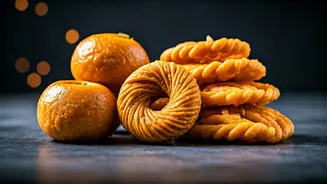
Hailing from Rajasthan, ghevar is the undisputed star of the monsoon. [4] This disc-shaped sweet, with its intricate, honeycomb-like texture, is traditionally prepared during the rainy season, especially for festivals like Teej and Raksha Bandhan which
fall during this time. [4, 7] The magic of ghevar is intrinsically linked to the weather; the high humidity in the air is essential to achieve its signature crispy yet porous structure, a feat difficult in drier months. [4, 8, 13] Made by deep-frying a batter of flour and ghee, it is then soaked in sugar syrup and often garnished with rabri (thickened milk), nuts, and silver leaf. [4, 7] Ayurvedic traditions also suggest that sweets made with ghee can have a calming effect during the monsoon, a season associated with Vata and Pitta imbalances causing dryness and acidity. [4]
Malpua: The Sweet, Fluffy Pancake
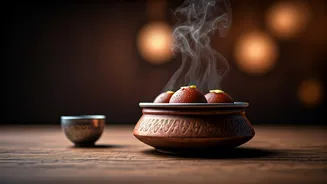
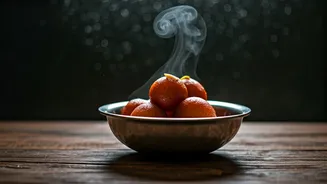
Long before pancakes became a global breakfast staple, India had malpua. [9] This dessert, beloved in states like Bihar, Odisha, and Uttar Pradesh, consists of small, fluffy pancakes made from a batter of flour, milk, and sometimes mashed banana, which are deep-fried in ghee and then dunked in fragrant sugar syrup. [5, 10] Often flavoured with cardamom and fennel, they are best enjoyed hot, sometimes served with a dollop of rabri. [10, 11] The act of frying these treats at home while the rain pours outside is a cherished experience. The warmth and richness of malpua offer a perfect antidote to the gloomy, damp weather, making it a quintessential monsoon indulgence. [9, 11]
Gond ke Ladoo: The Immunity-Boosting Powerhouse
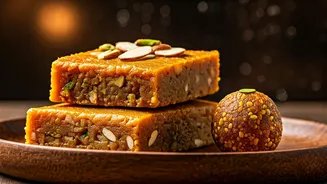
While often associated with winter, gond ke ladoo are a powerful sweet for the monsoon season as well. 'Gond' is a natural, edible gum that is known in Ayurveda for its ability to boost stamina and immunity. [18] These ladoos are traditionally prepared with gond, whole wheat flour, generous amounts of ghee, and a variety of nuts and seeds. [18] According to Ayurveda, the monsoon is a time when our digestive fire (agni) is weak, and our immunity is low. [12, 16] The warming properties of gond are believed to help the body fight off colds and coughs, which are common during this season. [18, 23] Rich in nutrients, fat, and fibre, these energy-dense spheres also help lubricate joints and provide strength, making them more than just a sweet treat. [18, 21]
Moong Dal Halwa: A Warm, Comforting Embrace
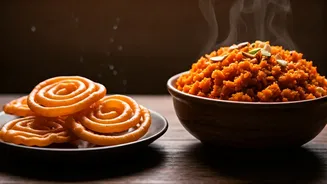
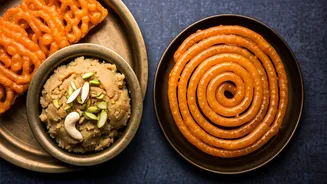
There are few things as comforting as a warm bowl of halwa on a rainy day, and moong dal halwa is a particularly luxurious choice. This rich, decadent dessert from Rajasthan is a labour of love, involving slow-cooking roasted moong dal (split yellow lentils) with ghee, milk, and sugar until it achieves a melt-in-the-mouth consistency. The process is lengthy, but the result is a deeply flavourful and aromatic sweet that provides instant warmth and satisfaction. The use of ghee and protein-rich lentils makes it a nourishing dish, providing much-needed energy during the lethargic, damp days of the monsoon. Garnished with almonds and pistachios, it’s a bowlful of pure comfort.
Hot Jalebi: The Crispy, Syrupy Swirl
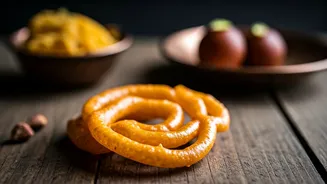
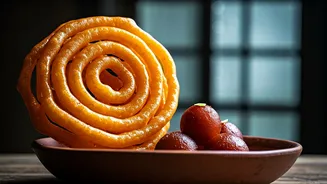
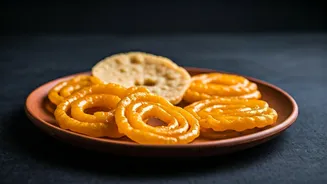
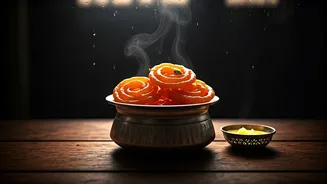
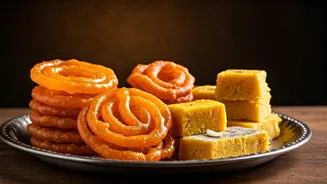
While available year-round, the pleasure of eating hot, crispy jalebis while it's raining is an experience that is deeply woven into the fabric of Indian monsoons. [15] These vibrant, spiral-shaped sweets are made by deep-frying a fermented batter and then soaking them in a warm sugar syrup. [10] The contrast of the crunchy exterior giving way to a syrupy, chewy interior is utterly delightful. [15] In many parts of India, pairing hot jalebis with rabri or even a savoury snack is a popular tradition during the rainy season. [15] It's less about specific health benefits and more about the pure, unadulterated joy and sensory pleasure that a plate of freshly made jalebis can bring on a cool, wet day. [9, 10]