







A Nationwide Wake-Up Call
Recent crackdowns by food safety authorities in states like Maharashtra and Karnataka have intensified scrutiny on restaurants, from local eateries to five-star hotels. In early August 2026, surprise inspections in Bengaluru uncovered significant violations,
including expired food, rotten meat with fungal growth, improper storage, and poor sanitation. Authorities seized hundreds of kilograms of unsafe food items. These drives were often prompted by an increase in consumer complaints and viral social media posts highlighting unhygienic conditions. A recent survey revealed that a majority of diners have witnessed issues like dirty kitchens, pest infestations, and unhygienic food handling, with only 32% rating restaurant hygiene as good or excellent. This has put pressure on establishments and highlighted the gap between perception and reality in kitchen safety.
The Core Principles of Kitchen Hygiene
Behind every safe and trustworthy restaurant is a commitment to the fundamental principles laid out by the Food Safety and Standards Authority of India (FSSAI). The regulations, established under the Food Safety and Standards Act, 2006, provide a framework for all food businesses. Key among these are the 'Schedule 4' requirements, which detail Good Manufacturing Practices (GMP) and Good Hygiene Practices (GHP). These rules are not suggestions; they are mandatory conditions for holding an FSSAI license. They cover everything from the structural integrity of the kitchen—requiring smooth, easily cleanable walls and pest-proof windows—to specific handling protocols, like the mandatory separation of vegetarian and non-vegetarian items to prevent cross-contamination.
What Inspectors Actually Look For
When a food safety officer inspects a kitchen, they are looking at several critical areas. Personal hygiene of staff is paramount; this includes clean uniforms, hairnets, trimmed nails, and a strict prohibition on wearing jewelry while handling food. Staff must also have medical fitness certificates and be trained in safe food handling. Another major focus is temperature control. Hot food must be kept above 60°C and cold food below 5°C to prevent bacterial growth. Inspectors check for proper food storage (items stored off the floor), clean and sanitized utensils, effective pest control measures, and the quality of the water supply. Violations often cited include expired ingredients, improper labeling of food items, and reusing cooking oil.
Understanding the Hygiene Rating Scheme
To make safety more transparent for consumers, the FSSAI introduced a voluntary Hygiene Rating Scheme. Participating restaurants are audited and given a rating from one to five stars (or smilies) based on their compliance with food safety standards. This rating can be displayed on their premises and is available online through the FSSAI's portal, allowing customers to make an informed choice before dining. The audit covers food handling, personal hygiene, kitchen cleanliness, pest control, and water safety. While the scheme is still gaining traction, a high rating serves as a reliable indicator that a restaurant is committed to hygiene. Consumer demand is a key driver, with surveys showing that nearly 74% of people want hygiene ratings to be mandatorily displayed.
Your Role as an Informed Diner
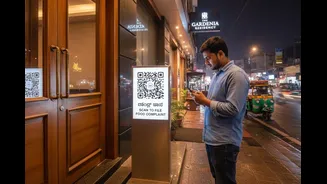
While regulators play a crucial role, consumers also have power. Before choosing a restaurant, you can check its FSSAI Hygiene Rating online. Once there, simple observations can be telling. Are the dining area, tables, and washrooms clean? Is the FSSAI license prominently displayed as required by law? Observe the staff: do they appear clean and handle food hygienically? Avoid places where food is left at room temperature for long periods. If you see an open kitchen, look for signs of cleanliness and order. Trust your instincts—if a place feels unclean, it probably is. Reporting violations to food safety authorities can also contribute to raising standards for everyone.