







Jamun (Java Plum)
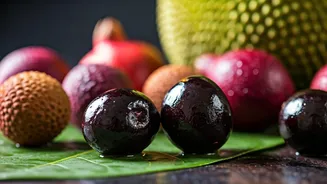
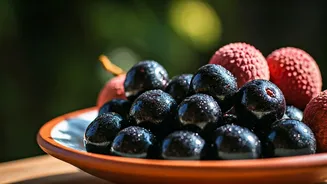
If one fruit embodies the Indian monsoon, it’s the Jamun. This small, deep-purple, olive-shaped fruit stains your tongue a delightful violet as you eat it. The flavor is a complex journey, starting with a sharp, astringent punch that quickly mellows into
a sweet, slightly acidic finish. It’s the kind of taste that makes your mouth pucker in the best way. Often sold by street vendors in paper cones, Jamun is typically sprinkled with a pinch of 'kala namak' (black salt), a sulfuric Indian condiment that magically enhances its sweetness and cuts the tartness. Beyond its taste, it’s traditionally believed to have digestive and diabetic-friendly properties, making it a beloved seasonal snack.
Litchi (Lychee)
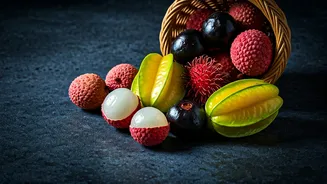
While litchis begin appearing in the intense heat of early summer, their peak season bleeds right into the beginning of the monsoon, making them a refreshing treat against the humid air. Encased in a bumpy, reddish-pink shell, the translucent white flesh inside is a burst of floral sweetness. The texture is firm yet juicy, with a flavor profile often compared to a mix of grape, pear, and rosewater. Peeling them is part of the ritual. You simply pierce the skin with a thumbnail and pull it back to reveal the fragrant pulp. They are best eaten fresh and chilled, offering a perfect, hydrating antidote to a sticky, overcast day.
Aloo Bukhara (Plum)
The Indian plum, or Aloo Bukhara, is another monsoon jewel. These aren't the giant, mild plums common in American supermarkets. Instead, they are smaller, with taut, glossy skins ranging from deep red to almost black. Biting into one reveals juicy, golden flesh that strikes a perfect balance between sweet and sour. They have a bright, tangy flavor that makes them incredibly refreshing. In India, they're not just eaten raw but are also used to make tangy chutneys and sauces that pair beautifully with savory dishes, adding a layer of fruity complexity that cuts through rich flavors.
Nashpati (Pear)
The local Indian pear, known as Nashpati, is a monsoon staple that’s refreshingly different from its Western cousins like Bartlett or Anjou. It’s often called a 'sand pear' for its distinctively crisp, granular, and incredibly juicy texture—think of a perfect cross between an apple and a traditional pear. It’s not soft or buttery; its appeal is its crunchy, watery bite. The flavor is mild and subtly sweet, making it an excellent palate cleanser. It’s the kind of fruit you eat on a warm afternoon when you need pure, unadulterated refreshment. It holds its shape well, making it great for fruit salads or simply sliced and eaten as is.
Aadu (Peach)
Peaches grown in the Himalayan foothills of northern India come into their prime during the monsoon. Unlike the large, uniformly round peaches often found in the U.S., Indian peaches (Aadu) can be smaller, with a more rustic appearance and a flavor that is intensely concentrated. They are wonderfully fragrant, with a classic sweet, floral taste balanced by a slight tartness near the pit. The flesh is tender and exceptionally juicy, often dripping down your chin as you eat it. They represent a fleeting taste of the mountains, brought down to the plains just as the rains begin to fall.
Cherries
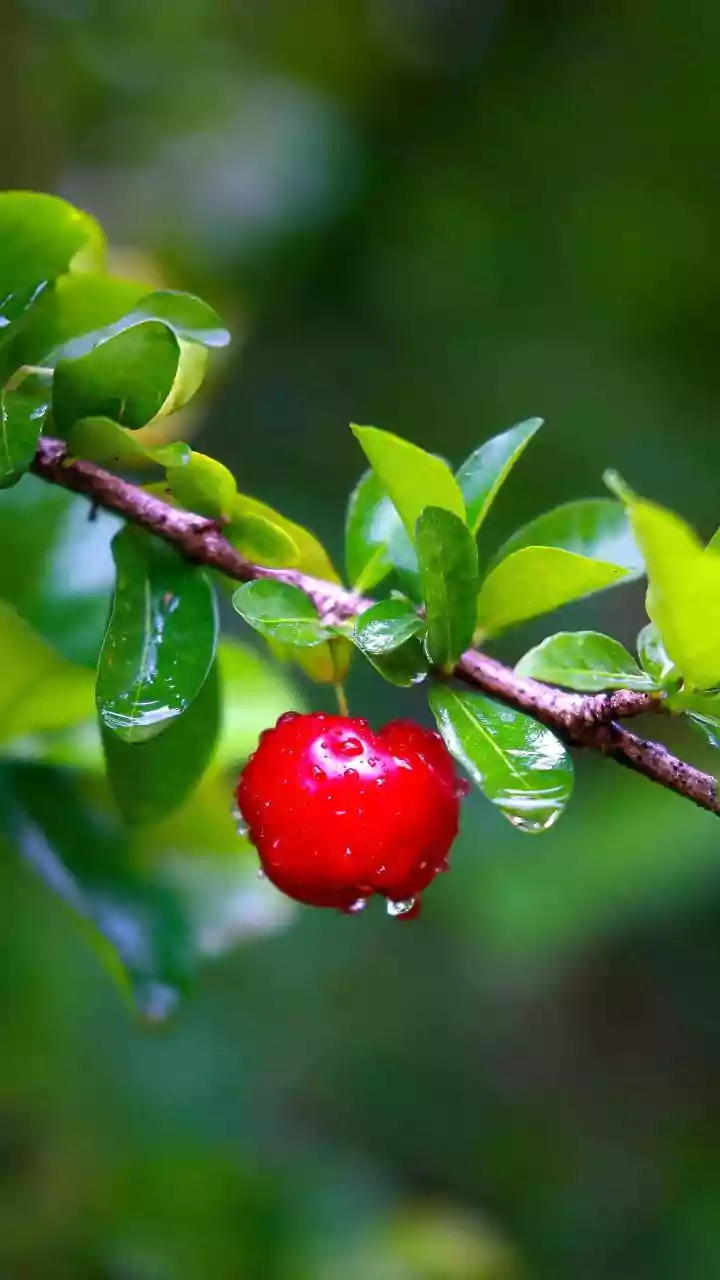
While available for a very short window, fresh cherries are a luxurious monsoon-era treat, especially in the northern parts of India. Sourced from the cooler climates of Himachal Pradesh, Kashmir, and Uttarakhand, these cherries are a vibrant crimson and pack a punch of sweet-tart flavor. They are smaller and often a bit tarter than Bing cherries, but their intense taste makes them highly sought after. Finding a vendor with a pile of fresh, glistening cherries is a sign that the season is in full swing. They are eaten by the handful, a simple, perfect pleasure on a cloudy day.