








The AI Brain Behind Your Cravings
From the moment you open an app like Zomato or Swiggy, artificial intelligence is already at work. It’s the reason you see a curated list of restaurants, not just a random collection of nearby eateries. These platforms use AI to analyse your past orders,
search history, and even the time of day to create personalised recommendations. If you regularly order vegan food, the app’s AI will prioritise restaurants with strong plant-based menus. This level of personalisation is designed to reduce endless scrolling and get you to the food you want faster. Indian platforms like Zomato and Swiggy have heavily invested in these behaviour-based ranking systems, aiming to make the discovery process more intuitive and engaging for millions of users.
Optimising the Journey from Kitchen to Doorstep
Once you place an order, AI’s biggest role begins: logistics. Gone are the days of simple route planning. Today's systems use machine learning to calculate the most efficient delivery path in real-time. These algorithms consider dozens of variables simultaneously, including current traffic, weather conditions, restaurant preparation time, and the availability of delivery partners. This allows for 'intelligent batching,' where a single driver might pick up multiple orders from nearby locations that are heading in the same direction, maximising efficiency. For the customer, this translates into more accurate delivery time estimates and, ultimately, faster service. Platforms report that AI-powered routing can reduce delivery times by a significant margin, ensuring food arrives hotter and fresher.
Smarter Restaurants and Fewer Mistakes
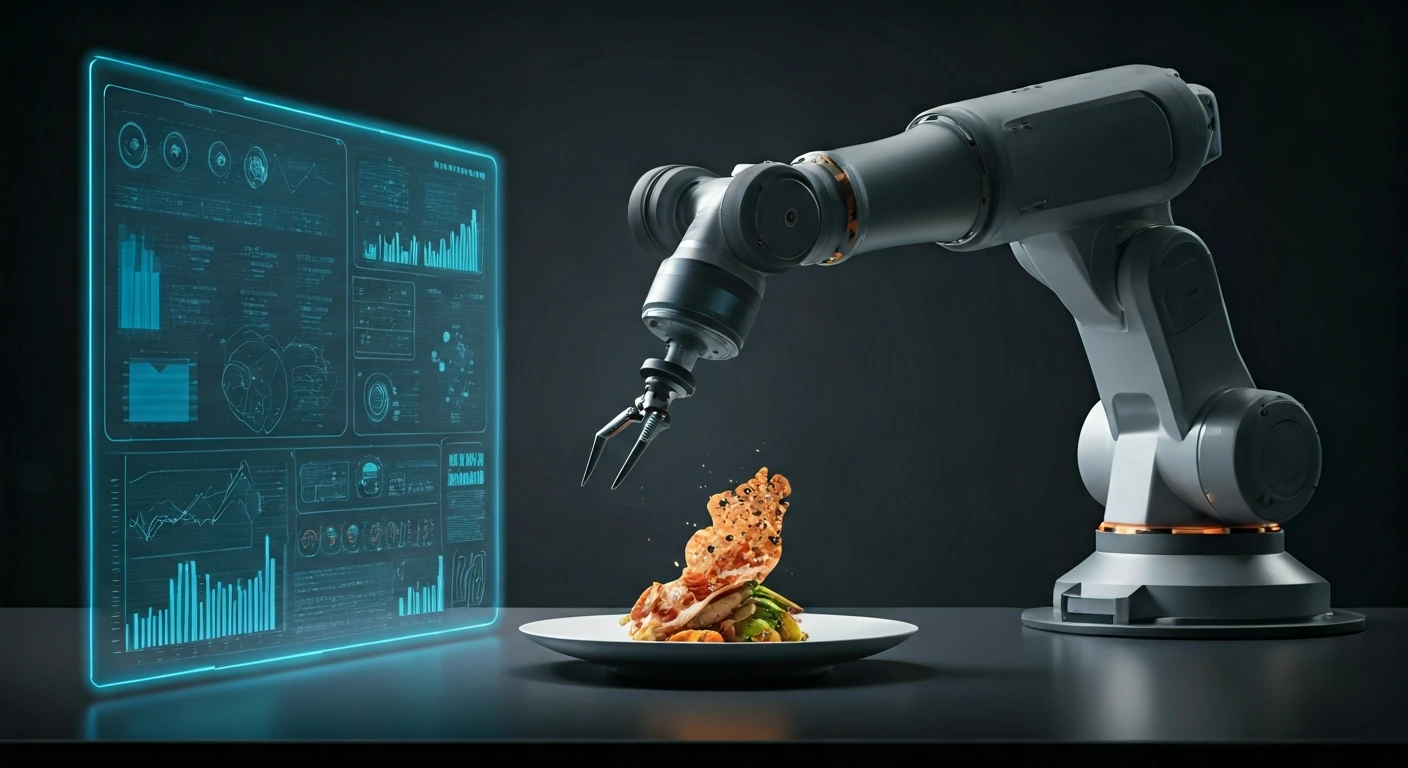
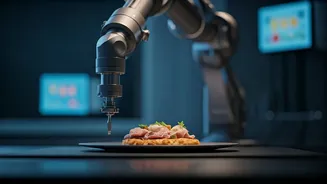
The AI revolution isn't just for the delivery platforms; it's also transforming how restaurants operate. By analysing vast amounts of data, AI can provide restaurants with powerful demand forecasting tools. This helps kitchen managers predict which dishes will be popular on a given day, allowing them to manage inventory more effectively, reduce food waste, and schedule staff appropriately. For example, AI can predict a surge in demand for comforting meals on a rainy day or for celebratory dishes during a festival. Automated systems also reduce human error in order processing by sending digital tickets directly to the kitchen, ensuring order accuracy improves dramatically.
The Human Element in an Automated World
While AI boosts efficiency, it also raises important questions about the human workforce. For India's massive fleet of gig-economy delivery partners, AI acts as an algorithmic manager. It assigns orders, dictates routes, and influences earnings. While optimised routes and smart order allocation can lead to more deliveries per hour, there are growing concerns about a lack of transparency and the pressure of constant performance monitoring. Platforms use AI to distribute orders based on a driver's location and performance metrics, but the decision-making process of the algorithm is often a black box. As the industry leans more heavily on automation, ensuring fair treatment, transparent pay structures, and the well-being of delivery partners remains a critical challenge.
What’s Next on the Menu?
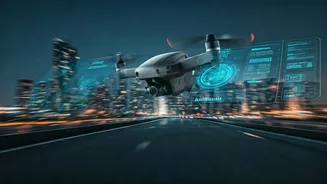
The integration of AI in food delivery is still accelerating. The next wave of innovation is already on the horizon. Voice-activated ordering through smart assistants is becoming more common, offering a hands-free way to get your favourite meal. Some companies are experimenting with autonomous delivery, using drones and sidewalk robots for the 'last mile' of the journey in certain regions. Furthermore, AI will play a greater role in sustainability by helping to reduce food and packaging waste across the supply chain. As these technologies mature, the convenience and speed we've come to expect will only continue to evolve, making the entire ecosystem even smarter and more interconnected.