



The Superfood Hiding in Plain Sight
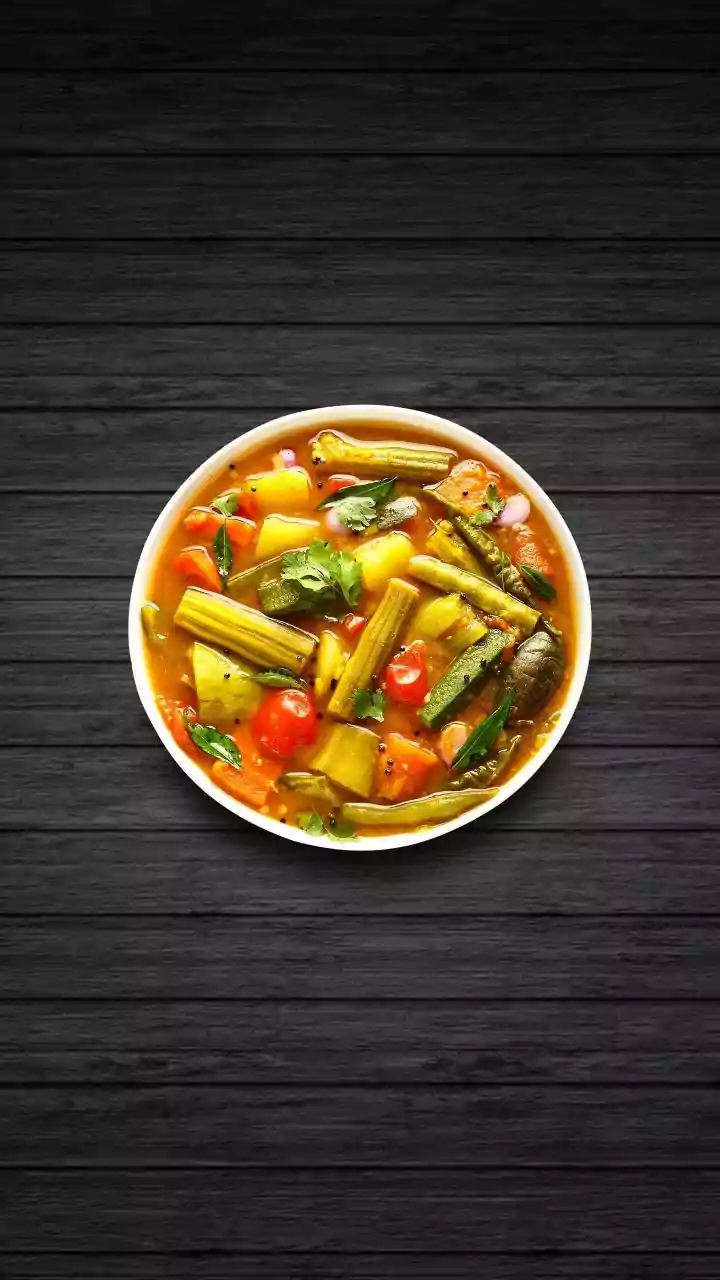
Chances are, you’ve seen a moringa tree before. Known across India as ‘sahjan’ or the drumstick tree, its slender green pods are a staple in sambar and other regional dishes. For generations, its leaves have been used in home remedies and traditional
cooking. Now, this humble backyard plant is gaining global fame as a 'superfood', and it's being repackaged for modern convenience in the form of powders and dried flakes. Plant-based coaches and nutritionists are championing it as an incredibly easy way to add a powerful nutrient boost to everyday meals. The best part? It’s not some expensive, imported fad. It’s a local hero that’s been part of our ecosystem all along, just waiting to be rediscovered by a new generation.
A Nutritional Powerhouse in a Pinch
So, what’s behind all the excitement? Moringa leaves are exceptionally nutrient-dense. On a gram-for-gram basis, dried moringa leaves contain a startling amount of nutrition. They are a rich source of vitamins A and C, which are crucial for immunity and skin health. They also pack a significant amount of plant-based protein, calcium for bone health, and potassium. But the real star of the show is its iron content, which is often higher than that of spinach. This makes it particularly valuable for vegetarian and vegan diets, where getting enough iron can sometimes be a challenge. Furthermore, moringa is loaded with antioxidants like quercetin and chlorogenic acid, which help fight inflammation and protect your cells from damage. It’s essentially a multivitamin in plant form.
Why Your Dal Is the Perfect Partner
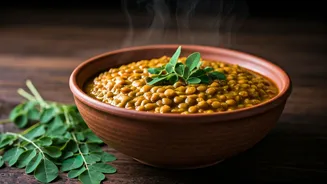
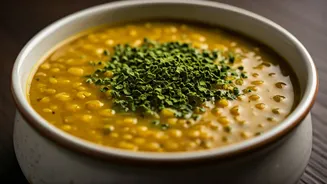
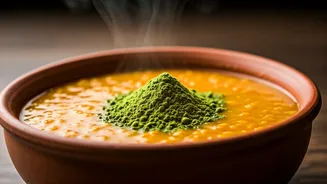
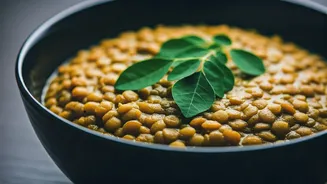
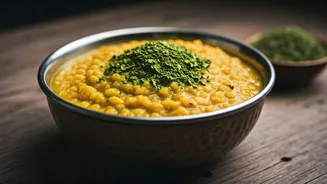
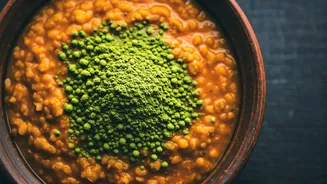
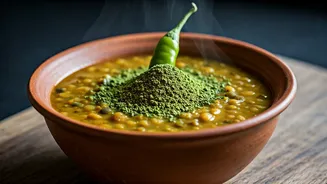
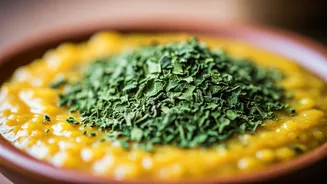
The genius of adding moringa flakes to dal lies in its simplicity and synergy. Dal is a daily staple in most Indian households, making it the perfect vehicle for a new nutritional habit. You don’t need to learn a new recipe or buy special ingredients; you just need to upgrade a dish you already make. The flavour of moringa flakes is mildly earthy and green, similar to spinach or methi, but much less assertive. When stirred into a flavourful tadka dal, moong dal, or masoor dal, its taste is barely perceptible. It blends seamlessly into the background, adding a wealth of nutrients without altering the beloved taste of your favourite comfort food. This makes it an effortless win for your health and a great way to sneak extra vitamins into the diets of picky eaters in the family.
How to Do It Right: The Instant Method
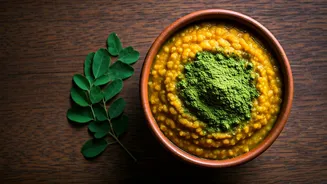
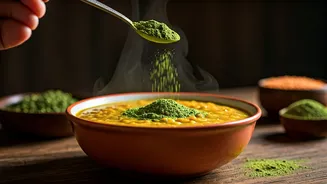
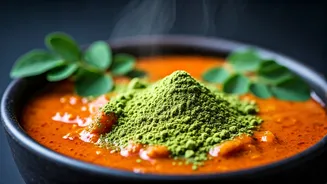
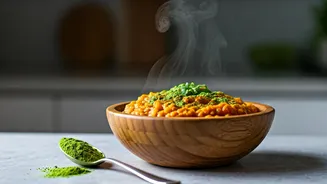
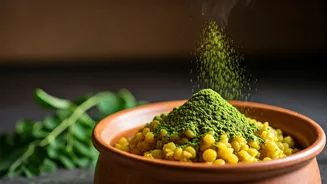
Adding moringa to your dal couldn't be simpler. The key is to add it at the very end of the cooking process to preserve its delicate nutrients, particularly Vitamin C, which can be degraded by heat. Here’s the best way to do it: prepare your dal as you normally would. Just before serving, turn off the heat. Take one to two teaspoons of moringa flakes or powder per serving and stir it directly into the hot dal until it dissolves. The residual heat is enough to incorporate it fully without 'cooking' away its benefits. You can also mix it into your tadka right at the end, just before pouring it over the dal. Start with a small amount, like one teaspoon per person, and see how you like it before increasing the quantity.
Beyond the Dal Bowl
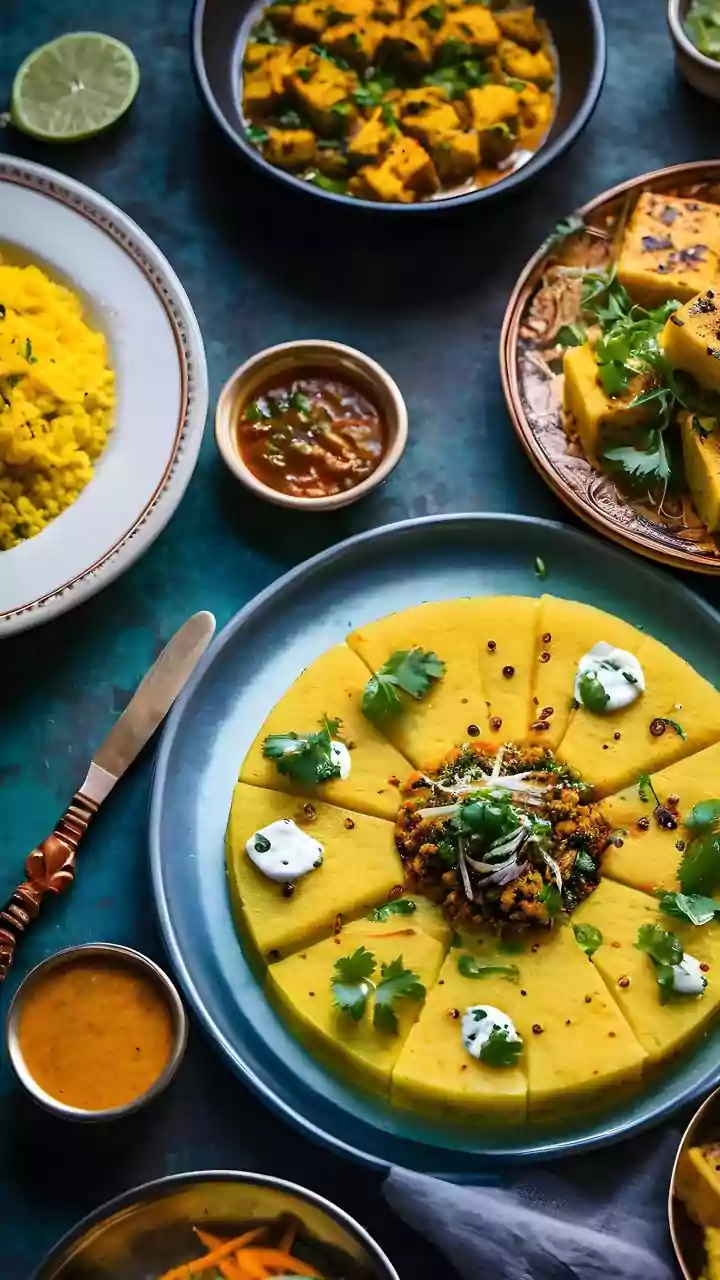
While dal is a fantastic starting point, the uses for moringa flakes are nearly endless. Think of it as a natural, green food supplement you can add to almost anything savoury. Try kneading a tablespoon of moringa powder into your roti or paratha dough for a nutrient-rich flatbread. Sprinkle it over your morning scrambled eggs or add it to omelettes. Whisk it into savoury yogurt dips, raitas, or chutneys for a green boost. You can even blend it into vegetable juices or green smoothies if you enjoy them. The goal is to incorporate it consistently into your diet, and its versatile, mild flavour makes that incredibly easy to do. It’s a simple swap that can have a big impact on your overall nutrient intake.
What to Look For and A Note of Caution
When buying moringa, look for a product that is 100% pure moringa leaf powder or flakes, with no added fillers, sugar, or preservatives. A bright green colour is usually a good indicator of freshness and quality; avoid products that look brownish or dull. Store it in an airtight container in a cool, dark place to protect it from light and moisture. While moringa is generally considered safe for most people, moderation is key. Consuming very large amounts may have a laxative effect or cause digestive upset. As with any potent food, it's best to start small. Individuals on medication for blood pressure or diabetes should also speak with their doctor, as moringa can have an effect on these conditions.