
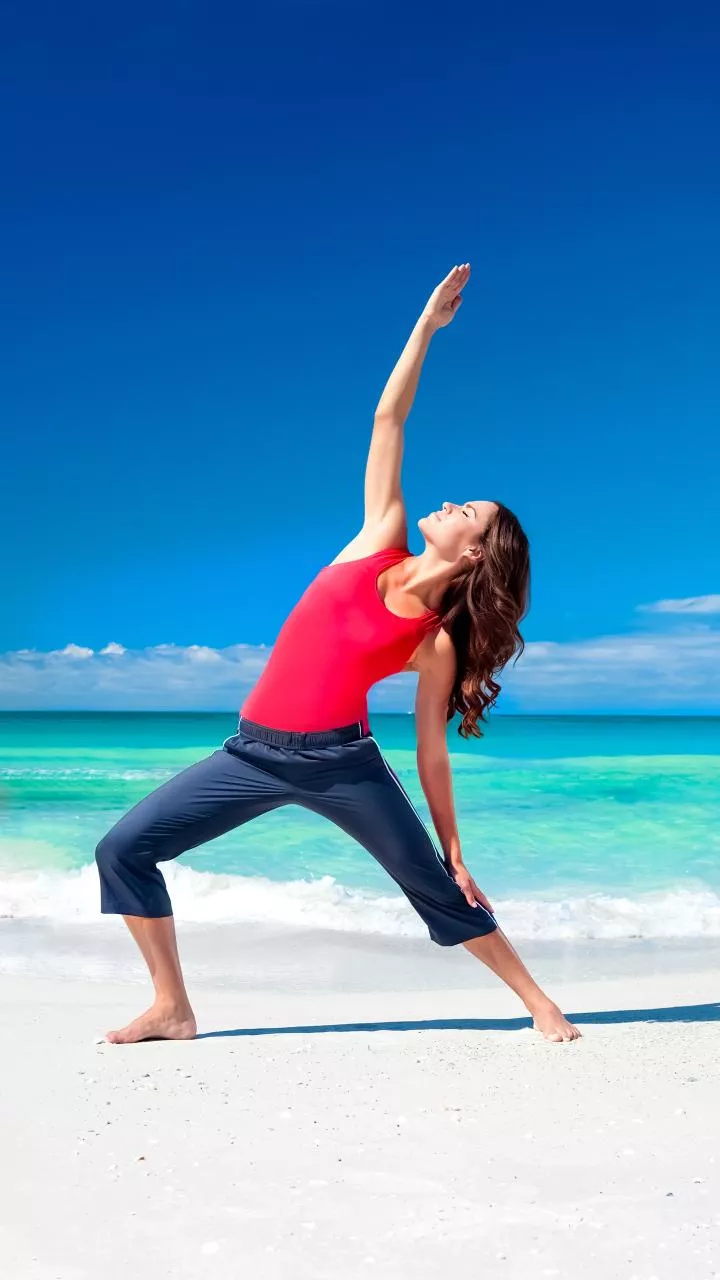



Why Yoga Helps During Exams
The pressure to perform well during exams can be overwhelming for students. This stress often leads to anxiety, poor sleep, and an inability to concentrate, which can negatively impact performance. Yoga provides a practical and effective toolkit to combat
these challenges. It's not just about physical flexibility; it's a mind-body practice that combines gentle movements, controlled breathing, and mindfulness. This combination helps to lower cortisol, the body's primary stress hormone, while increasing blood flow and oxygen to the brain. Even a short 15-minute practice can help activate the parasympathetic nervous system, which is responsible for the body's 'rest and digest' response, promoting a sense of calm and making the brain more receptive to learning. The goal is to provide teens with tools they can use to manage their mental state, build resilience, and find moments of peace amidst the chaos of revision schedules.
1. Mountain Pose (Tadasana)
This foundational pose may look simple, but it is incredibly powerful for grounding the body and clearing the mind. It improves posture after hours of slouching over books and encourages a sense of stability and presence. To practice Tadasana, stand with your feet hip-width apart, distributing your weight evenly. Press your feet firmly into the floor as if you are growing roots into the earth. Stand tall, lengthen your spine, and relax your shoulders away from your ears. Let your arms rest by your sides with your palms facing forward. Find a fixed point to gaze at in front of you (a 'drishti') to help steady your focus. Hold for five to eight deep, slow breaths, focusing on the feeling of being stable and strong like a mountain. This pose helps eliminate mental fog and prepares the mind for a productive study session.
2. Cat-Cow Stretch (Marjaryasana-Bitilasana)
Sitting for long hours can lead to a stiff back and shoulders, which contributes to physical and mental fatigue. The Cat-Cow stretch is a gentle, dynamic movement that helps to release tension in the spine and calm the mind. Start on your hands and knees in a tabletop position, with your wrists directly under your shoulders and your knees under your hips. As you inhale (Cow Pose), drop your belly towards the floor, lift your chest and tailbone, and look forward. As you exhale (Cat Pose), round your spine towards the ceiling, tucking your chin to your chest and pressing the floor away. Continue flowing between these two poses for about a minute, synchronizing your breath with the movement. This rhythmic action soothes the nervous system and provides a welcome break from a static study posture.
3. Tree Pose (Vrikshasana)
Success in exams requires sustained concentration, and Tree Pose is an excellent practice for training the mind to focus. This balancing posture forces you to bring your full attention to the present moment, pushing aside distracting thoughts. Start in Mountain Pose. Shift your weight onto your left foot and place the sole of your right foot on your inner left ankle, calf, or thigh (avoiding the knee joint). Bring your hands to a prayer position at your chest. Find a non-moving spot on the wall in front of you and fix your gaze on it to help maintain balance. Hold for 30 seconds, breathing steadily, then switch sides. The physical effort of balancing directly translates into mental discipline, strengthening your ability to concentrate for longer periods.
4. Child's Pose (Balasana)
When stress and anxiety feel overwhelming, Child's Pose offers a safe, restorative haven. It is a deeply relaxing posture that gently stretches the hips, thighs, and back while calming the brain. To practice, kneel on the floor, sit back on your heels, and then fold forward, resting your forehead on the ground. Your arms can be stretched out in front of you or rested alongside your body with palms facing up. Close your eyes and focus on taking long, deep breaths, feeling your back expand with each inhale. Stay in this pose for at least a minute or as long as it feels comfortable. It’s an effective way to hit the 'reset' button when you feel mentally exhausted or frustrated.
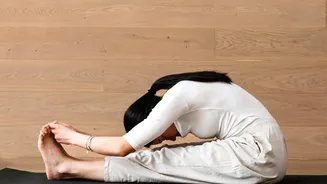
5. Seated Forward Bend (Paschimottanasana)
This pose provides a deep stretch for the entire back of the body and has a profoundly calming effect on the nervous system. A Seated Forward Bend is known to help relieve mild anxiety and fatigue, making it perfect after a long day of studying. Sit on the floor with your legs extended straight in front of you. You can sit on a folded blanket to help tilt your pelvis forward. Inhale and lengthen your spine. As you exhale, hinge from your hips and begin to fold forward over your legs. Don't worry about touching your toes; the goal is to keep your back long and release tension. Rest your hands on your legs or feet, wherever they comfortably reach. Hold for 30 seconds to a minute, breathing into the stretch. This pose promotes introspection and helps quiet a busy mind.