



An Antidote to Modern Burnout
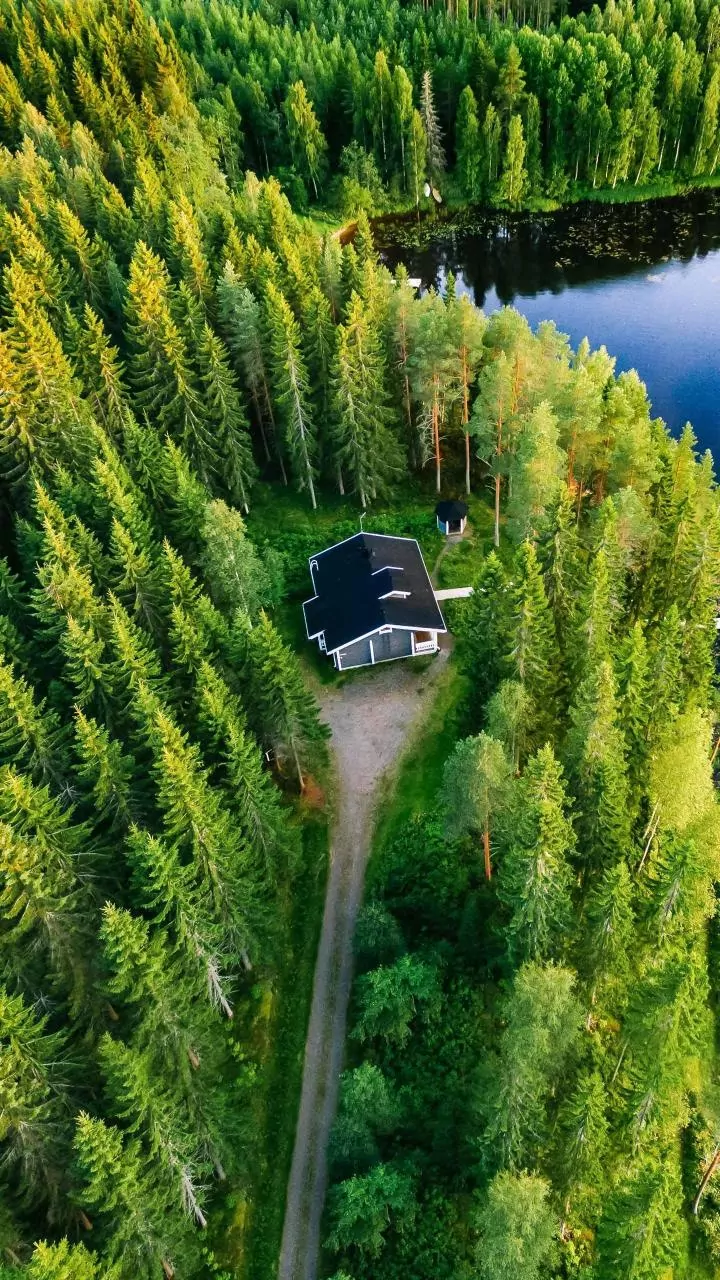
In our always-on digital world, the appeal of rural travel is its promise of a genuine escape. It offers a chance to trade screen time for starlit skies and traffic noise for birdsong. This style of travel, often called 'slow travel', prioritizes connection
over checklists. The goal isn't to see as much as possible, but to experience a place deeply. This can mean unplugging from devices and syncing with the rhythms of nature, which has profound benefits for mental well-being. Travellers are increasingly seeking out farm stays and countryside retreats for a 'digital detox', finding that the meditative satisfaction of a nature walk or interacting with farm animals provides a powerful antidote to urban stress.
The Rise of Immersive Experiences
Modern rural tourism has evolved beyond just enjoying the view. It's becoming more interactive and educational, a trend some are calling 'Agritourism 2.0'. Travellers no longer want to be passive observers; they want to participate. This has led to a surge in farm stays where guests can get their hands dirty, whether by helping with a harvest, picking fresh fruit, or learning to milk a cow. This hands-on approach extends to the kitchen, with workshops on traditional skills like cheese-making, bread-baking, and fermentation becoming popular attractions. These experiences offer more than a souvenir; they provide new skills and a tangible connection to the food on your plate.
Travel That Gives Back
Choosing a rural destination is also an act of conscious consumerism. When you stay in locally owned accommodations and eat at village restaurants, your money directly supports the local economy, rather than global chains. This form of tourism creates jobs, particularly for women and youth, and provides a stable, year-round income that can help stem the tide of migration from rural to urban areas. It also creates a market for local products, from handicrafts to regional foods, helping to preserve cultural traditions and skills that might otherwise be lost. By valuing natural resources as assets that attract visitors, communities are also incentivized to protect their local environment.
How to Plan Your Rural Getaway
Planning a countryside trip requires a slightly different approach. First, match the destination to your travel style. Are you looking for a working farm, a luxurious retreat, or a traditional village experience? Once you have an idea, research accommodation and read recent reviews, paying attention to comments on amenities and accessibility, as some of the most charming spots are off the beaten path. Before you go, download offline maps, as connectivity can be patchy. It’s also a great idea to contact your hosts beforehand; they are often the best source for local knowledge, from hidden gems to the best markets. Finally, pack for the activities you have in mind, whether it's hiking, cycling, or simply relaxing.