



The Unsung Heroes of the Indian Kitchen
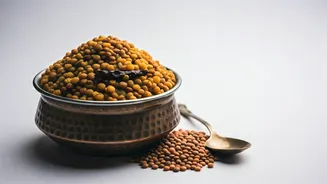
In almost every Indian home, a dedicated section of the pantry is reserved for pulses. These dried seeds of legume plants, collectively known as dal, are more than just an affordable and accessible food source; they are a cornerstone of our culinary heritage.
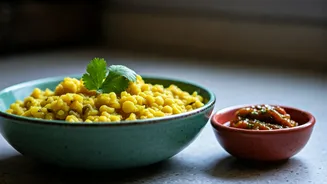
Whether it's the toor dal in a South Indian sambar, the urad dal in a crispy dosa, or the chana dal in a savory snack, pulses form the foundation of countless regional dishes. Yet, their incredible health benefits are often taken for granted. Packed with plant-based protein, dietary fibre, and essential vitamins and minerals, pulses are one of the most nutritionally complete foods available.
A Nutritional Powerhouse Explained
The health benefits of incorporating more pulses into your diet are vast and well-documented. They are an excellent source of plant-based protein, which is crucial for muscle repair and growth. A single serving can provide a significant portion of your daily protein needs. They are also exceptionally high in fibre, which aids digestion, promotes a feeling of fullness to help with weight management, and helps maintain a healthy gut. This combination of protein and fibre also gives pulses a low glycemic index, meaning they release energy slowly and help manage blood sugar levels, making them an ideal food for people with diabetes. Furthermore, regular consumption of pulses has been shown to help lower LDL (bad) cholesterol and blood pressure, significantly reducing the risk of heart disease.
Beyond the Dal Bowl: Creative Ways to Boost Meals
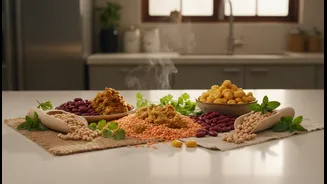
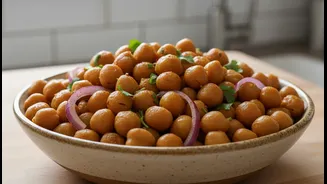
While a simple dal tadka is a nourishing classic, the versatility of pulses extends far beyond the traditional stew. Thinking creatively can help you incorporate their benefits into every meal of the day. Start your morning with a protein-packed chilla made from moong dal or besan (chickpea flour). For lunch, toss sprouted pulses into your salads for an added crunch and nutrient boost. Chickpeas can be blended into a creamy hummus or roasted for a crunchy, spicy snack. You can also discreetly boost the nutritional value of gravies and soups by blending in cooked lentils like masoor dal, which acts as a natural thickener. Even leftovers can be repurposed; use leftover rajma or chana masala as a delicious and filling sandwich or wrap filling.
Meet the Versatile Varieties
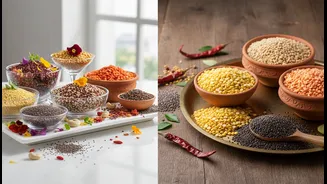
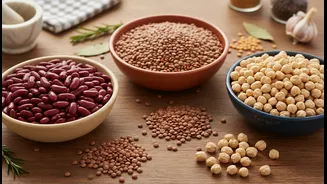
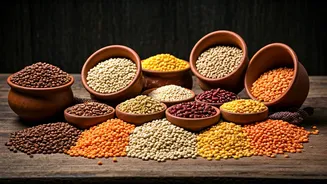
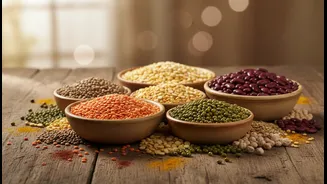
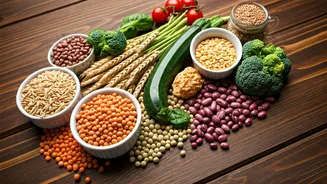
The world of Indian pulses is incredibly diverse, with each type offering a unique flavour, texture, and nutritional profile. While toor (pigeon peas) and masoor (red lentils) are common staples, exploring other varieties can add new dimensions to your cooking. Urad dal (black gram), for instance, is a protein powerhouse and essential for fluffy idlis and crispy vadas. Chana dal (split Bengal gram) has a low glycemic index and is packed with fibre and protein, making it great for blood sugar control. Rajma (kidney beans) and chole (chickpeas) are rich in fibre and protein, perfect for creating hearty, satisfying curries that keep you full for longer.
Smart Tips for Easy Digestion
For some, a common concern with increasing pulse consumption is the potential for bloating and gas. However, a few simple preparation techniques can make them much easier on your digestive system. Soaking pulses like chickpeas and kidney beans for several hours or overnight before cooking is a crucial step. It's best to discard the soaking water, as it can contain some of the compounds that cause digestive discomfort. Cooking pulses thoroughly until they are very tender also helps. Incorporating digestive-friendly spices such as ginger, cumin, and asafoetida (hing) into your cooking can also significantly aid digestion and reduce gas.