





The New Normal on Our Plates
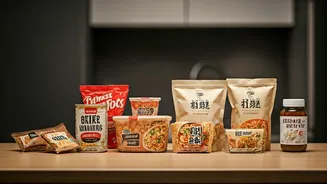
Not long ago, 'ready-to-eat' meals were a novelty, something you might pack for a trip or keep for an emergency. Today, they are a regular feature in the shopping carts of millions. From instant noodles and ready-to-heat curries to frozen parathas and entire
meal kits, convenience food has firmly established itself in the daily lives of many Indians. The Indian ready-to-eat (RTE) meals market reached a value of USD 6.2 billion in 2025 and is projected to more than double by 2034. This isn't just a trend; it's a fundamental shift in the country's food culture, reflecting deep-seated changes in how we live, work, and eat.
Drivers of the Convenience Craze
So, what's behind this massive shift? The primary drivers are urbanization and evolving household structures. As more Indians move to cities for work and education, and with the rise of dual-income nuclear families, time has become the most precious commodity. Long commutes and demanding work schedules leave little energy for the elaborate cooking that traditional Indian cuisine often demands. This 'time-starvation' has made consumers seek out quicker, easier meal solutions. The COVID-19 pandemic also acted as a catalyst, pushing many to experiment with online grocery shopping and home-delivered meals, cementing new habits that have persisted.
Beyond Just Instant Noodles
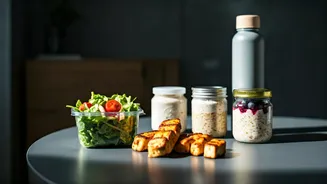
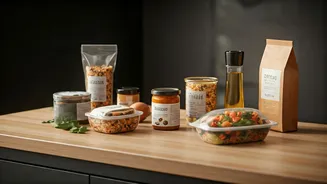
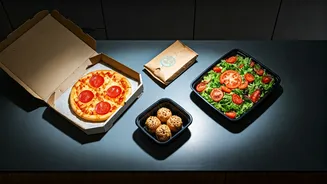
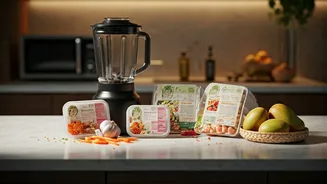
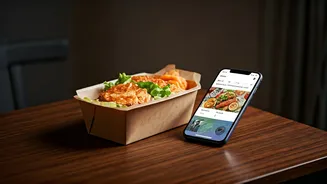
The quick meal landscape in India today is virtually unrecognizable from a decade ago. While instant noodles remain popular, the market has expanded dramatically. Consumers can now find everything from regional delicacies like ready-made poha and upma to global cuisines such as pasta and pizza. There is also a growing demand for healthier options, with brands launching organic, preservative-free, and high-protein RTE products. The rise of 'quick commerce' platforms, promising delivery in under 30 minutes, has further revolutionized access. These apps have made it possible to get not just a packet of chips, but entire ingredients for a quick meal, or fully cooked dishes, delivered to the doorstep in minutes, fuelling impulse buys and on-demand consumption.
The Evolving Indian Kitchen
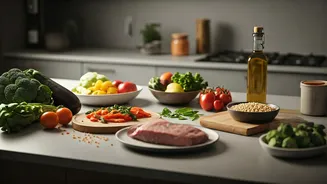
This embrace of convenience is reshaping the Indian kitchen itself, which has traditionally been the heart of the home. For many, the kitchen is transforming from a space of daily, laborious cooking into a more functional area used for assembling, heating, and light preparation. Modular kitchens are designed for efficiency and ease, with appliances like microwaves and air fryers becoming standard. This doesn't mean home cooking is dead. Rather, it is evolving. Many urban Indians now reserve elaborate cooking for weekends or special occasions, relying on a mix of quick meals, takeaways, and simple one-pot dishes during the busy week. The kitchen is becoming a flexible space that adapts to the rhythm of modern life.
A Taste of the Future
The move towards convenience is not without its concerns. Health and nutrition remain significant considerations for consumers, with many wary of preservatives and the perceived unhealthiness of packaged foods. In response, manufacturers are innovating, offering clean-label products, plant-based options, and fortified meals to appeal to health-conscious buyers. This balance between convenience and well-being appears to be the future of the market. As lifestyles continue to accelerate, the demand for quick, easy, and increasingly healthy meal solutions is only set to grow, further integrating these products into the fabric of daily Indian life.