




From Medical Tool to Wellness Gadget
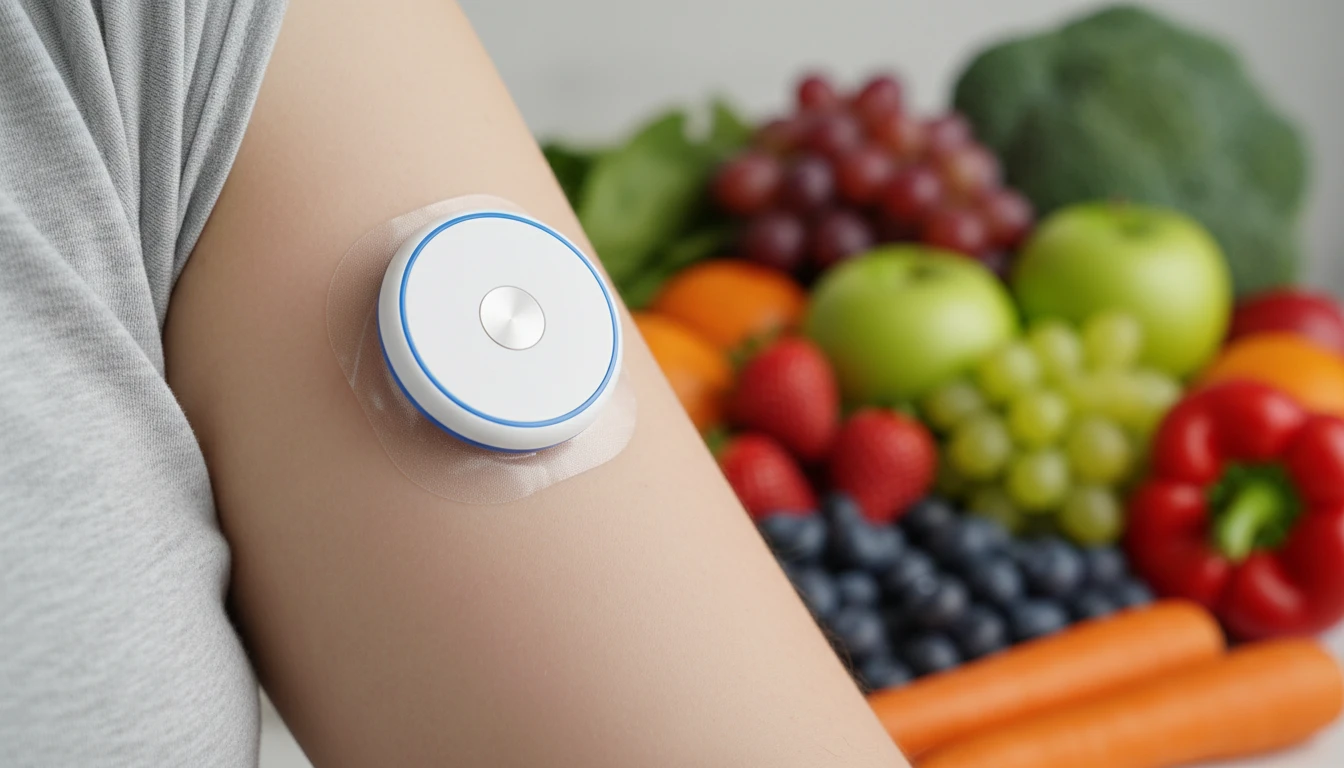
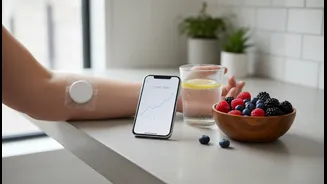
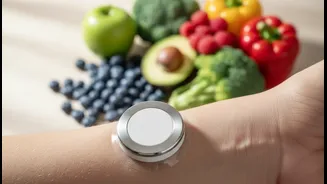
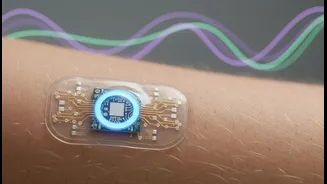
A continuous glucose monitor, or CGM, is a small wearable device that tracks your blood sugar (glucose) levels in real time, 24/7. It consists of a tiny sensor inserted just under the skin, usually on the back of the arm, which measures glucose in the fluid
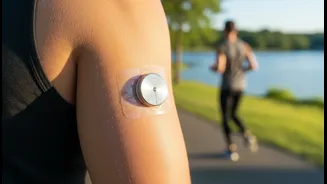
between your cells. This data is then sent to a smartphone app, providing a constant stream of information without the need for traditional finger-prick tests. Originally designed to help people with diabetes manage their condition, a new wave of tech and wellness companies are now marketing these devices to a different audience: healthy, active individuals who want to bio-hack their bodies for better health and performance.
The Promise: Hacking Your Metabolism
For the fitness community, the appeal of CGMs lies in the promise of personalised data. Companies claim these devices can help you optimise your diet by identifying which foods cause your blood sugar to spike and crash, leading to lethargy. The goal is to maintain stable glucose levels for consistent energy, enhanced workout performance, more efficient fat loss, and improved recovery. By seeing a direct, real-time link between a meal and your body's reaction, the idea is that you can make smarter food choices, tailor your nutrition around workouts, and unlock a new level of metabolic health.
The Indian Fitness Scene Catches On
This trend is rapidly gaining traction in India, led by companies like Ultrahuman, which pairs a CGM sensor with an AI-powered app to provide metabolic scores and food insights. The Ultrahuman M1, for example, uses Abbott's FreeStyle Libre sensor and offers subscriptions that provide the hardware and app-based coaching. A two-week trial in India can cost around ₹4,700, with longer-term plans for 12 or 24 weeks costing ₹25,999 and ₹50,999 respectively. This places the technology in a premium category, attracting serious athletes and bio-hackers who are willing to invest heavily in their health data.
What Do Experts Say?
While the technology is exciting, many health experts advise caution. For elite athletes, monitoring glucose can be a valuable tool to fine-tune fueling strategies for endurance events. However, for the average healthy person, the benefits are less clear. Experts point out that blood sugar naturally fluctuates, and these variations are not necessarily problematic in non-diabetics. There is limited long-term research on the benefits of CGM use in the general population. In fact, some studies suggest CGM metrics do not correlate well with the gold-standard blood sugar test (HbA1c) in people without diabetes, meaning the data might be misinterpreted.
The Potential Downsides
Beyond the high cost, there are other potential drawbacks to consider. The constant stream of data can lead to information overload and health anxiety, causing users to become unnecessarily stressed about normal bodily functions. This fixation on 'perfect' numbers could foster unhealthy eating patterns or orthorexia. Furthermore, there's a risk of misinterpreting the data without professional guidance, leading to unwarranted dietary restrictions or concern. Skin irritation from the sensor's adhesive is another common complaint.