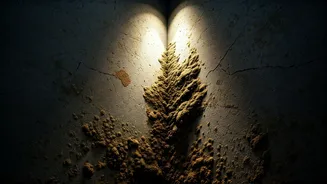









The Unseen Intruder: Household Mould
The hidden danger we’re talking about isn’t a pest you can easily spot. It's mould. During the monsoon, when humidity levels soar above 70-80%, our homes become perfect breeding grounds for various types of fungi. You might notice it as a black, green,
or white patch on a damp wall, in the back of a cupboard, or on leather goods. But often, it grows undetected behind wallpaper, under carpets, or inside ceiling panels, releasing microscopic spores into the air you breathe.
More Than Just an Ugly Stain
Dismissing mould as a simple cleaning issue is a serious mistake. For many, mould spores are potent allergens that can trigger a host of health problems. Symptoms can range from the seemingly minor—sneezing, runny nose, itchy eyes, and skin rashes—to more severe respiratory issues like coughing, wheezing, and shortness of breath. For individuals with asthma, mould exposure can lead to frequent and severe attacks. More alarmingly, certain types of mould produce mycotoxins, which can cause chronic health problems and, in rare cases, serious infections in people with weakened immune systems, young children, and the elderly.
Why Your Home is a Perfect Host
Mould needs three things to thrive: moisture, a food source, and warmth. The monsoon provides the moisture in abundance. Your home provides the rest. The 'food' for mould can be almost anything organic: wood, paper in drywall, fabrics, leather, and even the dust that settles on surfaces. Poorly ventilated areas are particularly vulnerable. Think of that one wall that always feels damp, the area under the kitchen sink with a tiny leak, or wardrobes packed tightly against a cool, exterior wall. These spots become five-star hotels for fungal growth as soon as the atmospheric humidity rises.
Your Prevention Checklist
The best way to fight mould is to prevent it from starting. The key is controlling moisture. 1. Ventilate, Ventilate, Ventilate: Open windows and doors for at least 15-30 minutes a day, preferably when it’s not raining, to allow air to circulate and moisture to escape. Use exhaust fans in kitchens and bathrooms. 2. Fix Leaks Immediately: A dripping pipe or a crack in the wall is an open invitation for mould. Conduct a thorough check and repair any sources of water leakage. 3. Manage Indoor Humidity: If you live in a very humid area, consider using a dehumidifier in enclosed spaces. Traditional methods like placing bowls of salt or charcoal in cupboards can also help absorb excess moisture. 4. Create Space: Avoid pushing furniture flush against walls, especially external ones. A few inches of space allows for air to flow, preventing moisture from getting trapped. 5. Let the Sunshine In: Whenever possible, allow direct sunlight into your rooms. UV rays are a natural mould killer.
Found Mould? Here’s How to Act
If you find a small patch of mould (less than a few square feet), you can often handle it yourself. Wear protective gear, including a mask (N95 is best), gloves, and goggles. Scrub the mould off hard surfaces like walls and tiles with a solution of water and detergent. Some recommend a diluted vinegar solution for its antifungal properties. Never just paint over mould; it will grow through the paint. For porous surfaces like drywall or wood that are heavily infested, replacement might be the only option. If the mould patch is large or if you smell a strong, musty odour but can't see the source, it’s time to call in a professional for an assessment. Tackling a large-scale mould problem without proper equipment can release a massive amount of spores into your home, making the problem worse.