



Declutter Before the Downpour
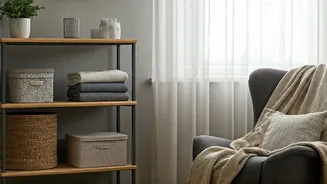
The smartest way to organise for the monsoon is to start before it arrives. The rainy season often means spending more time indoors, which can make a cluttered space feel suffocating. Take a weekend to do a thorough decluttering. Go through each room
and apply the one-year rule: if you haven't used an item in the last year, it's time to decide if you truly need it. Pay special attention to balconies and windowsills, clearing them of anything that could be damaged by rain or block drainage. A clean, minimalist base makes it much easier to manage the dampness and dirt that the monsoon inevitably brings in. Donate, sell, or discard what you don't need, and you'll have less to clean and protect when the skies open up.
Master Your Wardrobe
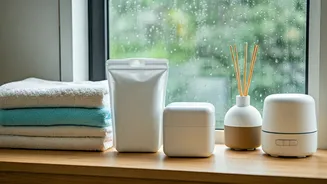
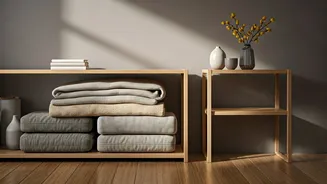
Damp, musty-smelling clothes are a classic monsoon problem. High humidity can wreak havoc on your wardrobe, leading to fungal growth and unpleasant odours. To combat this, start by airing out your cupboards. Place moisture absorbers like silica gel pouches or even small bags of charcoal inside. Traditional Indian homes have long used dried neem leaves or small camphor balls wrapped in muslin cloth to repel insects and keep clothes fresh. Create a small gap between your clothes to improve air circulation. For expensive leather goods and silk sarees, store them in breathable cloth bags, not plastic, and consider investing in a small, wardrobe-sized dehumidifier if you live in a particularly humid area.
Designate a Monsoon 'Drop Zone'
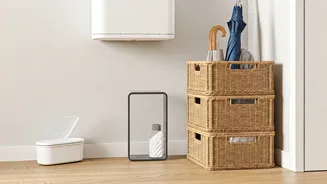
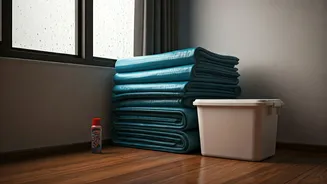
Stop the trail of muddy footprints and dripping umbrellas at the door. Create a dedicated 'drop zone' right near your home's entrance. This is the designated spot for all wet items. Place a durable, easy-to-clean doormat outside and a highly absorbent one inside. A waterproof tray or a large plastic tub is perfect for holding wet shoes and boots, preventing muddy water from spreading across your floors. Install a few hooks on the wall for hanging damp raincoats and umbrellas. By containing the mess in one manageable area, you save yourself the headache of constantly cleaning the entire house. It’s a simple system that makes a huge difference.
Win the War Against Dampness
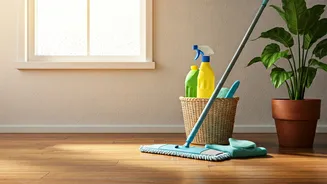
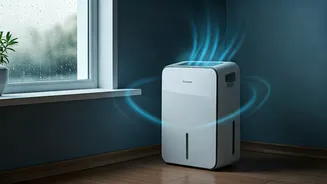
Humidity is the main villain of the rainy season. Besides making you feel sticky, it encourages mould growth on walls, furniture, and even inside cupboards. The key is ventilation. Whenever it’s not raining, open your windows and doors for at least 30 minutes to allow fresh air to circulate. Use exhaust fans in kitchens and bathrooms to expel moist air. For walls prone to dampness, pull furniture a few inches away to prevent mould from growing behind it. You can place bowls of rock salt in damp corners; the salt will absorb excess moisture from the air. Regularly wipe down surfaces with a solution of white vinegar and water to prevent mildew from taking hold.
Rethink Your Kitchen Storage
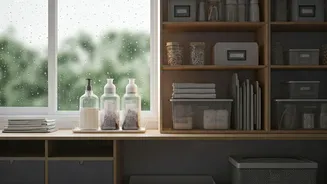
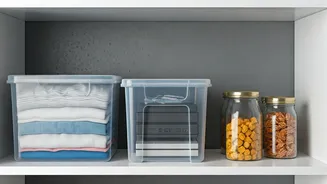
The kitchen is another area that needs special attention during the monsoon. Humidity can make everything from salt and sugar to biscuits and chips clump together or go stale. Transfer spices, lentils, flour, and snacks from their original packaging into airtight containers. Glass or high-quality plastic jars are your best friends. Check your stock of potatoes and onions regularly, as they tend to spoil faster in damp weather; store them in a cool, dark, and airy place, but not in the refrigerator. This is also the time to check for any leaks under your sink and ensure your pantry is dry and well-ventilated to keep pests at bay.
Create a Smart Indoor Drying Area
With no sun for days, drying clothes can be a nightmare. Instead of draping damp laundry over every available chair and door, create a dedicated indoor drying station. A foldable drying rack is an excellent investment. Place it in a well-ventilated room, near a window or under a fan to speed up the process. Avoid drying clothes in bedrooms or living areas where you spend a lot of time, as the evaporating moisture can increase the room's humidity. For a quick fix, run a fan pointed directly at the rack. A well-organised system prevents your home from looking like a laundromat and helps your clothes dry faster and smell fresher.