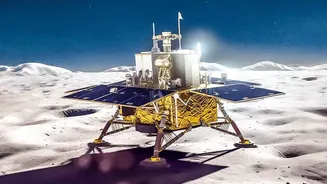



The Unforgiving Lunar Night
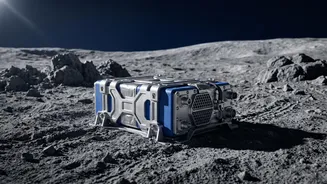
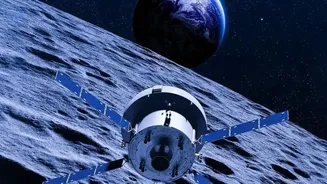
Imagine a night that lasts for 14 Earth days, where temperatures plummet to an almost unimaginable minus 200 degrees Celsius. This is the reality at the Moon's South Pole, a region of intense interest for NASA's Artemis missions. For any technology to function,
let alone support human life, it must first survive these extreme temperature swings. The primary obstacle has always been power. Solar panels are useless in the extended darkness, and traditional batteries simply cannot cope with the intense cold. This single problem has been a major barrier to long-duration missions, confining most lunar activities to the relatively mild lunar morning.
Why Normal Batteries Fail in the Cold
If you have ever had a car struggle to start on a frigid morning, you have experienced the core problem on a smaller scale. Most batteries we use daily, from our phones to electric vehicles, are lithium-ion batteries that rely on a liquid component called an electrolyte to function. In extreme cold, this liquid electrolyte slows down, increasing internal resistance and reducing the battery's ability to deliver power. At the temperatures seen during the lunar night, this liquid would freeze solid. This doesn't just stop the battery from working; it can cause permanent physical damage, rendering it useless. Previously, the only solution was to use power-hungry heaters to keep the batteries warm continuously, adding significant weight and complexity to missions.
Enter SPEARS: A Solid-State Solution
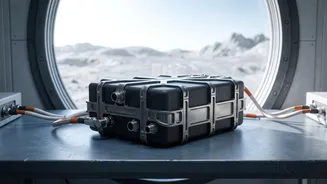
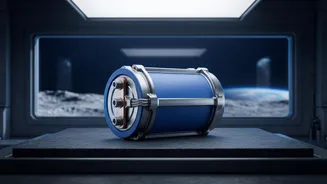
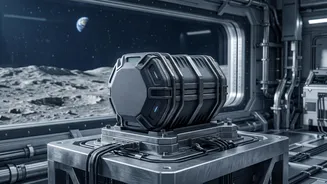
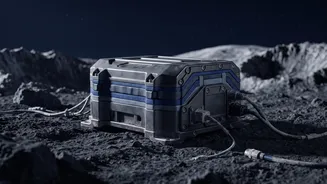
NASA's innovative answer to this challenge is the SPEARS project, which stands for Solid-state Power for Extreme-environment anD Rewarming System. Led by NASA's Glenn Research Center, the project aims to replace the vulnerable liquid electrolyte with a robust solid material, such as a ceramic or polymer. This fundamental change is a game-changer. Solid-state batteries are inherently safer because they do not contain flammable liquids, reducing the risk of fire. More importantly for the Moon, a solid electrolyte does not freeze in the same way a liquid does. It can endure the deep cold without sustaining damage, a key requirement for surviving the lunar night.
The 'Rewarming' Breakthrough
While even a solid-state battery cannot generate power at minus 200 degrees Celsius, the SPEARS design has a clever workaround. Because the battery survives the cold soak without damage, it doesn't need to be kept warm the entire time. Instead, small, efficient heaters can warm the battery up to its operational temperature only when it is needed. This 'warm-on-demand' approach could dramatically reduce the overall power needed for thermal management, allowing for lighter spacecraft, lower mission costs, and longer operational timelines. Recent tests at NASA's Langley Research Center demonstrated that prototype cells could survive exposure to temperatures as low as minus 170 Celsius and still function when warmed up, proving the concept is viable.
Powering the Future on the Moon
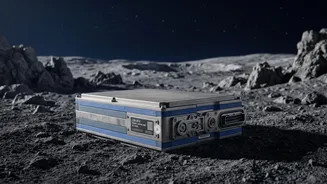
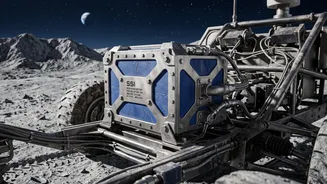
The success of the SPEARS project is critical for the future of the Artemis program and a sustained human presence on the Moon. This technology could power everything from scientific instruments and rovers exploring permanently shadowed craters to an astronaut's emergency life-support pack. By solving the lunar night power problem, NASA unlocks the ability to conduct long-duration science and build permanent infrastructure. The modular nature of SPEARS technology also allows researchers to tailor batteries for specific needs, whether optimizing for high power output for a drill or long-term durability for a habitat. While still in development, these resilient batteries represent a crucial step toward making our return to the Moon not just a visit, but a permanent stay.