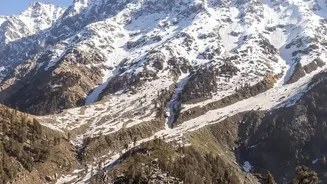


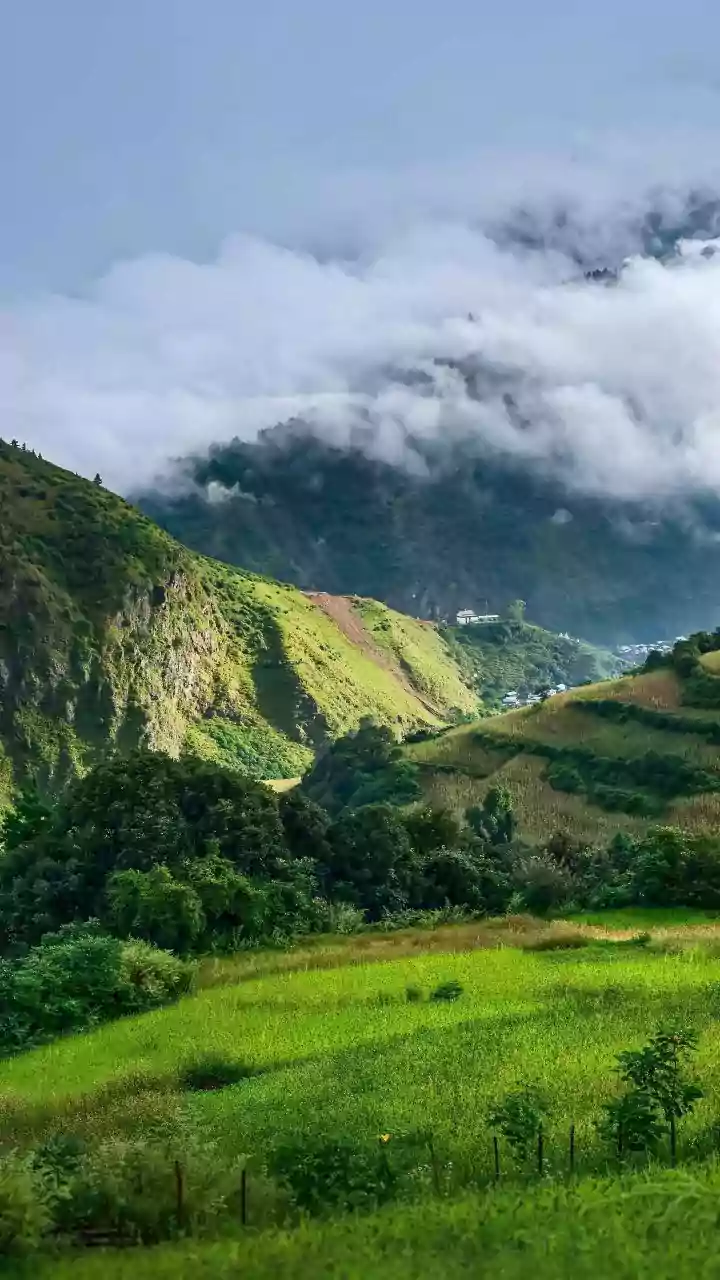
Nestled high in the Indian Himalayas, away from the clamour of city life, lie the forest villages of Uttarakhand. Here, a timeless existence unfolds, defined not by modern convenience but by a profound connection to the mountainous landscape.
An Architecture Born of the Mountain
The first
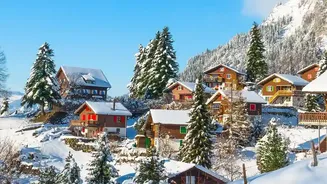
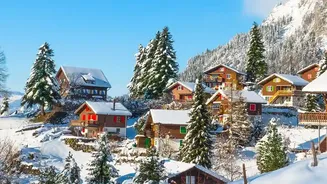
thing that strikes any visitor to these hamlets is the architecture. Houses are not built upon the land, but rather seem to grow from it. Crafted from local stone and timber, these homes are a testament to generations of indigenous knowledge. Many are built in the 'Koti Banal' style, a traditional architectural form that is remarkably earthquake-resistant. This method, which evolved over a thousand years ago, uses a clever frame of wooden beams to reinforce the thick stone walls, allowing the structures to withstand seismic shocks. The ground floor, known as the 'Goth', is often used for sheltering cattle, its thick walls providing insulation from the cold, while the family lives on the upper floors. With small windows to keep out the biting winter winds and sloping slate roofs to shed heavy snow and rain, every element is a practical response to the challenging environment.
Stairways of Sustenance on the Slopes
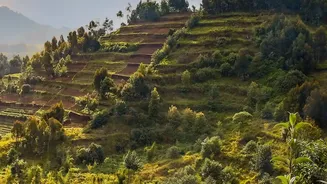
Surrounding these stone dwellings are the iconic terraced farms, creating a mesmerising pattern of green stairways carved into the mountainside. This practice of step farming is not a choice but a necessity on the steep Himalayan slopes. By cutting flat platforms into the hills, farmers are able to create arable land, prevent the topsoil from washing away during heavy rains, and conserve precious water. For centuries, these terraces have been the backbone of the local economy, allowing communities to cultivate essential crops like rice, wheat, millets, and vegetables. This ingenious farming method is a perfect example of sustainable agriculture, where human needs are met in complete harmony with the contours of the land.
Life in the 'Van Grams'
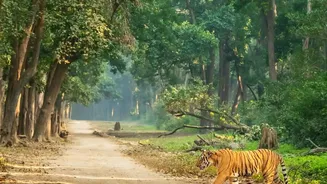
Many of these settlements are 'van grams' or forest villages, communities with a deep, symbiotic relationship with the surrounding woods. The forest is the source of everything: fuel for cooking, fodder for livestock, timber for building, and medicinal herbs. Life here is governed by the rhythm of the seasons and the collective needs of the community. Pastoral groups like the Van Gujjars have traditionally practiced transhumance, moving their herds between lower winter pastures and high-altitude summer meadows. This intimate connection to the land has fostered a rich cultural tapestry of folk music, local festivals, and a strong sense of community identity, where relationships and shared traditions are paramount.
Resilience in the Face of Change
Despite their idyllic appearance, life in these villages is not without its hardships. Limited employment opportunities, inadequate access to markets, and the sheer difficulty of mountain agriculture have led to significant out-migration, particularly among the youth. Furthermore, these communities are on the front lines of climate change, facing an increase in extreme weather events like flash floods and forest fires that threaten their livelihoods and way of life. The governance of forest resources also presents challenges, with changes to the 'Van Panchayat' system, a century-old institution of community forest management, sometimes creating conflict between state control and local subsistence needs. Yet, the spirit of these villages endures, a testament to the resilience of a people deeply rooted in their heritage and their land.