




The Monsoon's Hidden Bounty
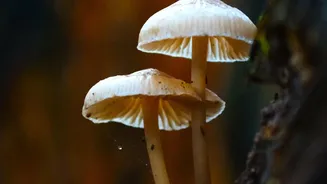
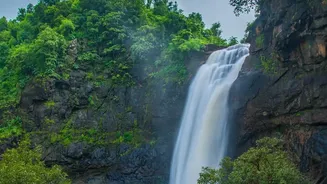
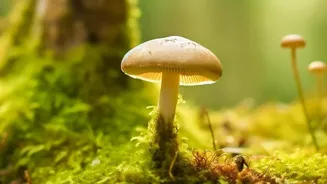
When the monsoon arrives, it does more than just bring rain; it triggers a magical eruption of life on the forest floor. Fungi, which have lain dormant as underground networks, send up their fruiting bodies in a dazzling array of shapes and colours. For
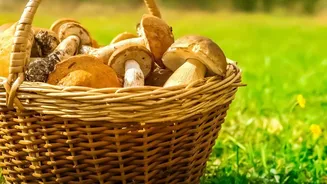
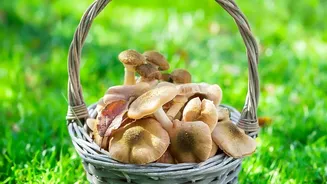
centuries, indigenous communities across India have possessed the knowledge to navigate this bounty, collecting edible mushrooms that are integral to their diet and culture. From the termite-mound-loving 'Olmi' mushrooms in Goa to the meaty 'Rugda' of Jharkhand, often called 'vegetarian mutton', these wild edibles are a seasonal culinary treasure. This ancient practice, once confined to tribal and rural communities, is now capturing the imagination of a new, largely urban audience.
A New Generation of Foragers
Across the country, a diverse group of people is turning towards the forests. They are software engineers, artists, microbiologists, and city dwellers seeking a connection with nature that goes beyond a simple hike. Many found their way to foraging during the pandemic, when lockdowns prompted a greater appreciation for local green spaces. This new wave of foragers is driven by curiosity, a desire for sustainable food sources, and a passion for biodiversity. They are building online communities, sharing their finds on social media, and creating digital archives of fungal species, blending modern technology with ancient knowledge. For them, foraging is not just about finding food; it's a mindful activity that offers a respite from urban life and a deeper understanding of the ecosystem.
The Rules of Responsible Foraging
The growing interest in foraging brings with it a crucial responsibility. The leaders of this new movement are not just teaching people where to look, but how to look. Responsible foraging is their mantra. This means understanding the forest ecosystem and learning to harvest sustainably. Key principles include never taking more than you need, ensuring you leave enough for wildlife and for the mushrooms to release their spores and reproduce. It also involves being able to correctly identify species, as many edible mushrooms have poisonous look-alikes. There is also a strong emphasis on respecting the traditional knowledge and territories of local communities, who have been the custodians of these forests for generations.
Knowledge is Power
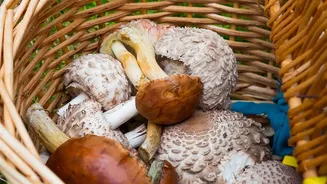
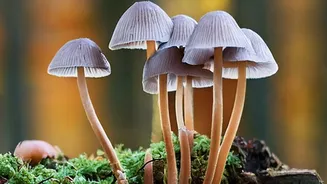
With over 100 species of poisonous mushrooms in India, some of which can be fatal, education is paramount. Recognising this, many experienced foragers and mycologists are now organising guided walks and workshops. These sessions, held in places from the forests of the Western Ghats to city parks in Delhi and Ahmedabad, teach crucial identification skills. Participants learn how to observe a mushroom's features—its cap, gills, stem, and spore colour—and to use field guides and apps to help with identification. These workshops are fostering a community of citizen scientists who are not only enjoying the thrill of the hunt but are also contributing to the documentation and conservation of India's incredible fungal diversity.
From Forest to Plate
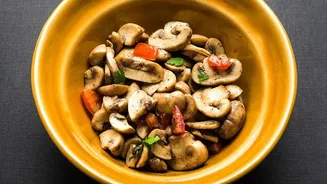
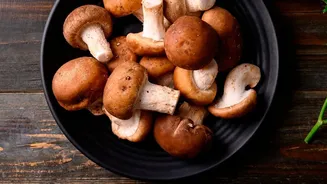
The ultimate reward for a day of careful foraging is, of course, the meal that follows. The flavours of wild mushrooms are often more complex and nuanced than their cultivated counterparts. In Goa, the prized Olmi mushrooms might be cooked in a rich, coconut-based 'xacuti'. In Jharkhand, Rugda is used in hearty curries eaten with rice. The famed Gucchi or Morel mushrooms from the Himalayas, one of the most expensive in the world, have a unique, savoury flavour that is cherished by chefs. This new generation of foragers is not only reviving traditional recipes but also experimenting with new ways to cook their finds, celebrating a direct, delicious connection to the land.