



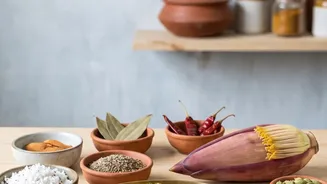

A Comforting Tradition
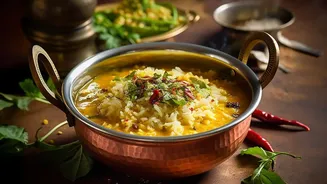
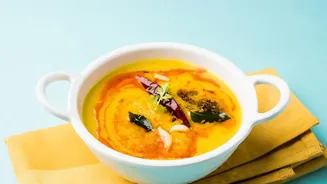
Rasam, a staple in South Indian cuisine, is a light, soup-like broth known for its distinctive tangy and spicy flavours. Its name, which translates to 'juice' or 'essence', perfectly captures its nature. While there are countless variations, Pepper Rasam, or Milagu
Rasam, holds a special place as a go-to comfort food when one is feeling under the weather. It’s the kind of dish that grandmothers swear by, believed to provide relief and warmth from the inside out. Served with hot rice or sipped on its own, it’s a cherished remedy that has been passed down through generations, offering solace during colds, coughs, and fevers.
The Power of Pungent Pepper
The star ingredient, black pepper, is what gives this rasam its signature heat and its name. In traditional wisdom, black pepper is prized for its ability to help clear congestion and soothe a sore throat. The compound piperine in black pepper is what gives it that pungent kick, which is thought to stimulate digestion and boost metabolism. When freshly ground and added to the rasam, it doesn't just add spice; it imparts warming properties that are deeply comforting during the flu season. This spice is also a source of Vitamin C and antioxidants, which are believed to support the body's immunity.
The Aromatic Soul: Curry Leaves
While pepper provides the heat, curry leaves ('kadi patta') provide the soul-stirring aroma that makes rasam so distinctive. Often relegated to a mere garnish, their role is far more integral. When sizzled in hot ghee or oil during the tempering ('tadka'), they release a complex, citrusy, and slightly earthy fragrance that infuses the entire dish. This process doesn't just add flavour; it's a culinary ritual that signifies an authentic home-cooked meal. Beyond their aroma, curry leaves have been used in traditional medicine for ages. They are packed with antioxidants and are believed to have anti-inflammatory and digestive benefits. So, the next time you find a curry leaf in your rasam, don't push it aside—it’s a powerhouse of flavour and tradition.
A Symphony of Supporting Spices
Pepper Rasam is a perfect example of how different ingredients work together to create something both delicious and nourishing. The tangy base is typically made from tamarind extract, which is rich in antioxidants and known to aid digestion. Garlic and cumin, often ground with the pepper, are celebrated for their own immune-supporting and decongestant properties. Other common additions like tomatoes add a boost of Vitamin C, while turmeric brings its well-known anti-inflammatory qualities. A final tempering with mustard seeds and asafoetida not only adds another layer of flavour but is also believed to help with indigestion, making the entire dish easy on the stomach.
More Than Just a Simple Soup
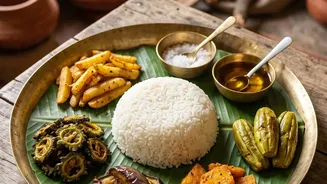
While it can be enjoyed as a soup, rasam is fundamentally different. It's a digestive aid designed to be eaten with a meal, typically poured over steamed rice. This combination is light, easy to digest, and particularly comforting when appetite is low during an illness. The thin consistency of rasam helps with hydration, while its potent spices work to awaken the taste buds. It is a dish that embodies the principle of food as medicine—not as a cure, but as a supportive, nourishing, and deeply satisfying part of recovery and well-being. It’s a testament to the timeless wisdom of using wholesome ingredients to create food that heals and comforts.