







Who Are the Green Marshals?
Imagine a friendly face at a bustling tourist spot, not to sell you a trinket or enforce a fine, but to help you connect more deeply and responsibly with the place you're visiting. This is the essence of a Green Marshal. Unlike security guards, their
role is not punitive; it's proactive. In places like Kerala, which has launched a pilot program, Green Marshals are being deployed to transform destination management. They are trained representatives tasked with shifting the focus from reactive cleanup to proactive environmental stewardship. Their responsibilities go beyond just monitoring litter; they engage with tourists, provide orientation, share information about local culture, and promote responsible travel habits. This creates a visible, approachable point of contact for visitors, representing a commitment to clean, safe, and sustainable tourism.
A New Kind of Guidance
The core idea behind the Green Marshal initiative is moving away from a 'don't do this' mentality towards a more positive, educational approach. Instead of just pointing to a sign, a marshal might explain why standing on a fragile ecological site is harmful or why buying from a local artisan supports the entire community. Kerala's program outlines key responsibilities that include environmental monitoring for plastic and litter, visitor engagement, safety support, and creating a link between tourists and local businesses like homestays and craftspeople. This approach is rooted in the understanding that most travellers want to be respectful, but may not always have the local context to do so. By providing gentle guidance and information, marshals empower tourists to make better choices, fostering a sense of shared responsibility for the destination.
The Kerala Pilot Project
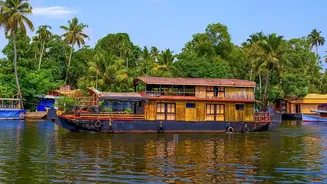
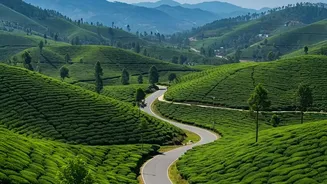
Kerala's tourism department recently began deploying Green Marshals at major destinations like Munnar, Alappuzha, Kovalam, and Wayanad to address challenges of waste management and visitor discipline. The first phase will see 162 marshals, both men and women between 20 and 40, who hold degrees in tourism and travel management. Preference is given to local residents and those with hospitality experience, ensuring deep community roots. Selected candidates undergo a seven-day training program covering environmental protocols, communication skills, and safety monitoring. On duty, they wear a distinctive forest-green and white uniform, making them easily identifiable. They are equipped with basic first-aid kits and helpline details, serving as trained representatives dedicated to keeping Kerala's treasured destinations beautiful and sustainable for everyone.
Why Positive Reinforcement Works
The psychology behind the Green Marshal concept is that positive reinforcement and education are more effective long-term strategies than fines and restrictions. When tourists feel they are part of the solution rather than the problem, their behaviour often changes for the better. This model helps bridge the common gap between a tourist's good intentions and their actual behaviour on the ground. Initiatives like this are part of a global trend towards 'destination stewardship', where communities take an active role in managing their tourism resources. By making stewardship visible through friendly and knowledgeable marshals, destinations can cultivate a culture of respect that goes beyond a single visit. It builds a reputation for being a place that cares, which in turn attracts mindful travellers.
The Future of Destination Management
The Green Marshal model is a promising solution for the post-pandemic travel boom, as many ecologically and culturally sensitive areas face unprecedented visitor pressure. The success of pilot programs like Kerala's could provide a blueprint for other regions in India and around the world. These initiatives demonstrate that managing tourism is not just about logistics like parking and crowd control; it's about shaping a positive and sustainable visitor experience. As more destinations recognise that their natural and cultural heritage are their most valuable assets, the shift from simple marketing to holistic stewardship will become essential. The Green Marshal, or tourism ambassador, is a human-centric approach to this challenge, proving that a friendly conversation can be more powerful than a fence.