






The Irresistible Pull of Street Food
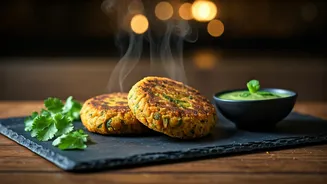
Let’s be honest: a trip through any Indian city is a sensory tour led by the aromas of street food. From the crispy, spicy delights of chaat in Delhi to the buttery pav bhaji in Mumbai, street food is more than just a quick meal. It’s a cultural experience,
a social ritual, and an affordable, convenient option for millions. It’s the flavour of our cities, served up on a paper plate. This deep-rooted love affair is why the idea of giving it up feels almost sacrilegious. The vendors are often institutions, their recipes passed down through generations. We trust them, we crave their food, and we happily line up for our favourite fix. This emotional connection makes it easy to overlook the potential downsides.
What 'Roulette' Really Means
The term “roulette” is dramatic, but it points to a very real gamble. The primary concern is hygiene. Many street food vendors operate with limited access to clean water for washing hands, ingredients, and utensils. The water used in chutneys or to make ice can be a source of contaminants like E. coli and Salmonella, leading to stomach infections, typhoid, or cholera. Another major risk is the oil. To save costs, some vendors reuse cooking oil multiple times. When oil is repeatedly heated to high temperatures, it becomes rancid and produces harmful trans fats and free radicals, which are linked to heart disease and other chronic illnesses. Furthermore, ingredients are often left exposed to dust, flies, and traffic pollution for hours, creating a breeding ground for bacteria. While a strong immune system might handle it once or twice, consistently playing this game of chance can take a toll on your digestive health.
The Undeniable Power of Fresh Food
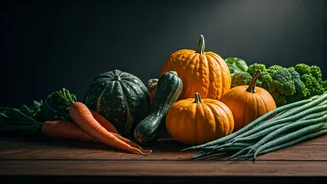
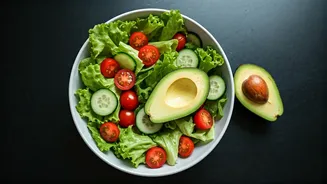
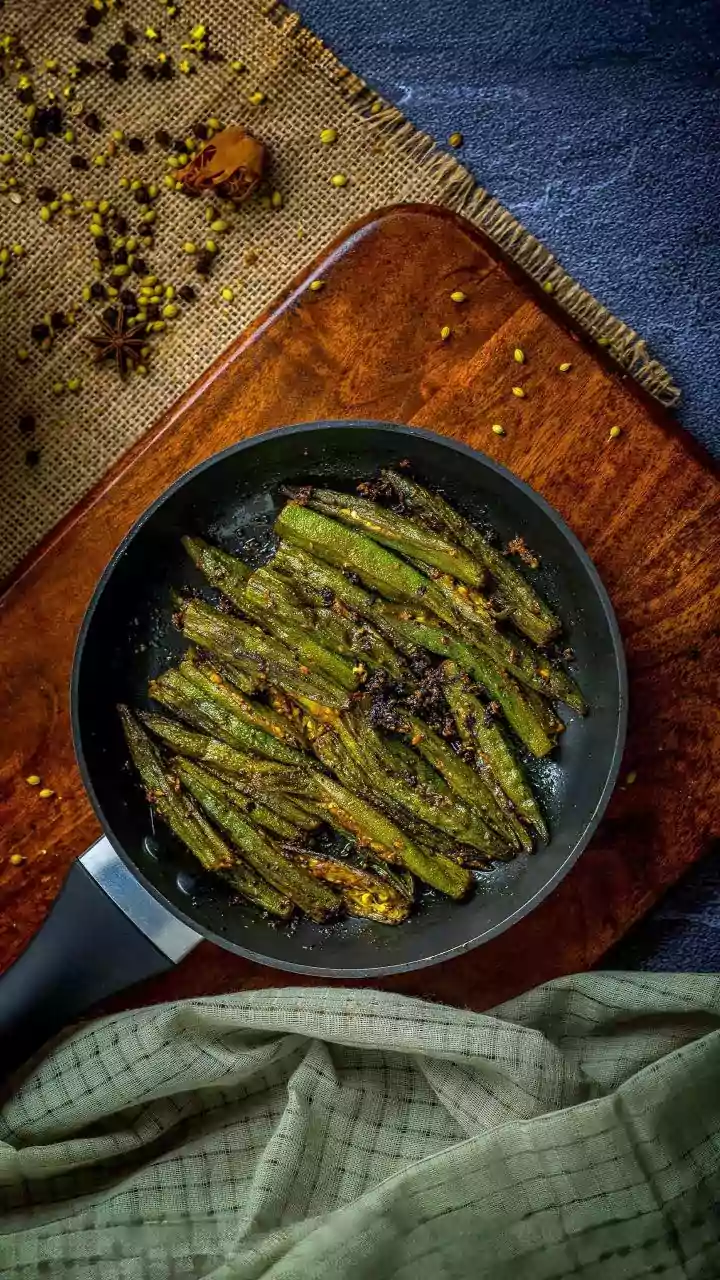
The alternative isn’t boring, tasteless meals. It’s the empowerment that comes from fresh food, whether cooked at home or chosen from a reputable kitchen. The most significant advantage is control. When you cook, you control everything: the quality of the ingredients, the type and amount of oil, the levels of salt and sugar, and, most importantly, the cleanliness of your environment. Freshly cooked food retains more of its essential nutrients. Vitamins and minerals in vegetables begin to degrade as soon as they are cut; cooking them fresh ensures you get the maximum nutritional benefit. There’s no mystery about how long the ingredients have been sitting out or what’s really in the sauce. This transparency eliminates the 'roulette' aspect entirely. Preparing your own meals also fosters a healthier relationship with food, turning it from a quick, thoughtless act into a mindful, nourishing practice.
How to Be a Smarter Street Foodie
Giving up street food entirely is an unrealistic goal for many. The good news is you don't have to. You can significantly reduce your risk by becoming a more discerning customer. First, trust your eyes. Does the stall look clean? Are the surfaces wiped down? Does the vendor use gloves or tongs to handle food, or are they handling money and food with the same bare hands? Second, follow the crowd. A busy stall with a high turnover rate means the food is likely fresh and not sitting around for hours. Third, choose wisely. Opt for foods that are cooked fresh to order and served piping hot, as high temperatures kill most harmful bacteria. Be wary of pre-cut fruits, salads, and anything with un-purified water or ice, like golas or some juices. Asking for bottled water is always a safer bet. By applying these simple filters, you can enjoy the occasional street food treat without taking unnecessary risks.