





What Exactly Are Car Solar Sheets?
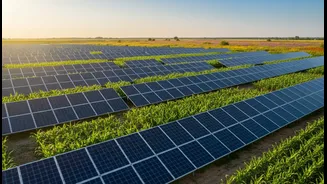
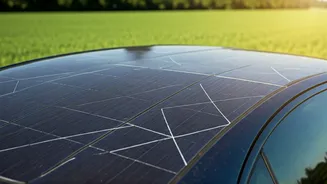
Car solar sheets, or automotive solar panels, are photovoltaic (PV) devices designed to be fitted onto a vehicle. They range from small, inexpensive panels that you can place on your dashboard to larger, more permanent sheets that can be installed on the
roof. Their primary function is to capture sunlight and convert it into electrical energy to power a car’s electrical systems. In India, where we see intense sun for much of the year, the appeal is obvious. These products are marketed as a green, cost-effective way to supplement your car’s power, whether it’s a traditional petrol/diesel model or an electric vehicle (EV). The technology is not new, but as solar efficiency improves and prices drop, they are becoming a more common accessory for car owners looking to gain a slight edge.
The Myth: Keeping Your Car 'Totally Charged'
Here's the most important thing to understand: a compact, aftermarket solar panel will not keep your main EV battery 'totally charged'. The claim is a significant overstatement of the technology's current capabilities. Your EV's traction battery, which powers the motor, is massive—typically ranging from 25 kWh to 75 kWh. A large, high-quality 100-watt solar panel, under ideal, direct sunlight for a full hour, would generate 0.1 kWh of energy. To put that in perspective, charging a 30 kWh EV battery from empty with that panel would take 300 hours of perfect, uninterrupted sunshine. In reality, the range you might gain from a day's worth of solar charging is often less than 2-3 kilometres. These panels are not designed for, nor are they capable of, providing the primary charge for an electric car's propulsion system.
The Reality: What They Actually Do
So, if they don't charge your EV for driving, what's the point? The real benefit of these panels lies in maintaining your car's 12-volt auxiliary battery. This is the small, conventional battery that powers your car’s electronics: the infotainment system, lights, security alarm, and central locking. In both EVs and internal combustion engine (ICE) cars, this 12V battery can drain while the car is parked, especially if you have accessories running or if the car sits unused for long periods. A solar panel provides a 'trickle charge'—a small, steady flow of electricity that counteracts this natural drain. By keeping the 12V battery topped up, a solar sheet can prevent the frustrating experience of returning to your car to find a dead battery, a surprisingly common issue in modern, electronics-heavy vehicles.
The Practical Benefits for Indian Drivers
For a car owner in India, a solar trickle charger can be genuinely useful in specific scenarios. If you often leave your car parked for weeks at a time, perhaps at the airport or while travelling, a solar panel can ensure the battery remains healthy. It’s also beneficial for people who use their car for short, infrequent city trips, where the alternator may not have enough time to fully recharge the 12V battery. Furthermore, it can help power accessories like a dashcam or a GPS tracker when the car is off without draining the primary battery. In an EV, a healthy 12V system is crucial, as a failure can prevent the car from starting, even if the main traction battery is full. By maintaining the 12V battery, the solar panel reduces the load on the main EV battery, which would otherwise have to charge it, thus saving a tiny bit of range.
Limitations and What to Consider
Before you invest, be aware of the downsides. The cost can range from a couple of thousand rupees for a small dashboard unit to much more for a professionally installed roof panel. You need to weigh this against the cost of potentially replacing a prematurely worn-out 12V battery. Performance is entirely dependent on sunlight; on a cloudy day or during the monsoon season, the output will be minimal. Furthermore, your car needs to be parked in an open, unshaded area to be effective, which isn't always possible in crowded urban parking lots or covered garages. The quality of cheaper, unbranded panels can also be questionable, so it's important to choose a reputable product that won't damage your car's electrical system.