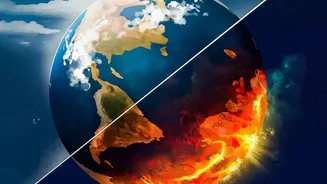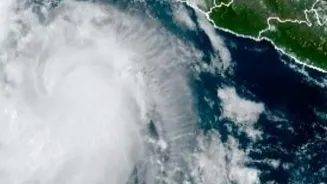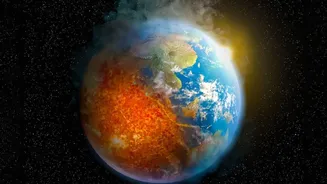


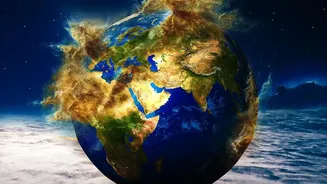
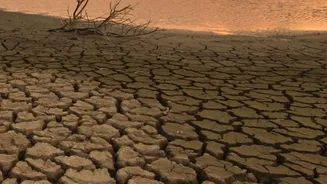
A powerful climate phenomenon brewing thousands of miles away in the Pacific Ocean is set to have significant consequences for India. El Niño is here, and experts warn it could disrupt our seasons and create a cascade of health challenges.
What Exactly Is El Niño?
El Niño is a
naturally occurring climate pattern characterized by the unusual warming of surface waters in the central and eastern equatorial Pacific Ocean. This isn't just a distant weather event; it's part of a cycle called the El Niño-Southern Oscillation (ENSO) that triggers a domino effect on weather patterns globally. Occurring every two to seven years, El Niño weakens the normal trade winds, causing this vast pool of warm water to shift eastward. This change in the ocean's temperature alters atmospheric circulation, fundamentally rearranging rainfall and temperature patterns around the world, from South America to Southeast Asia, including the Indian subcontinent. The World Health Organization (WHO) and other climate bodies are tracking the current strong El Niño, which is expected to peak in late 2026 and continue into 2027.
An Unsettled Monsoon and Soaring Temperatures
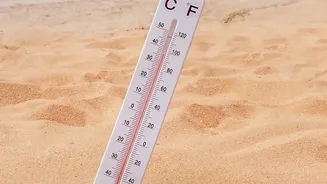
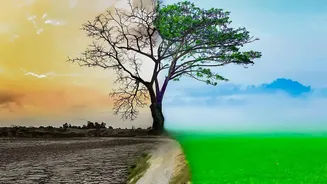
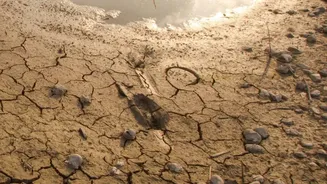
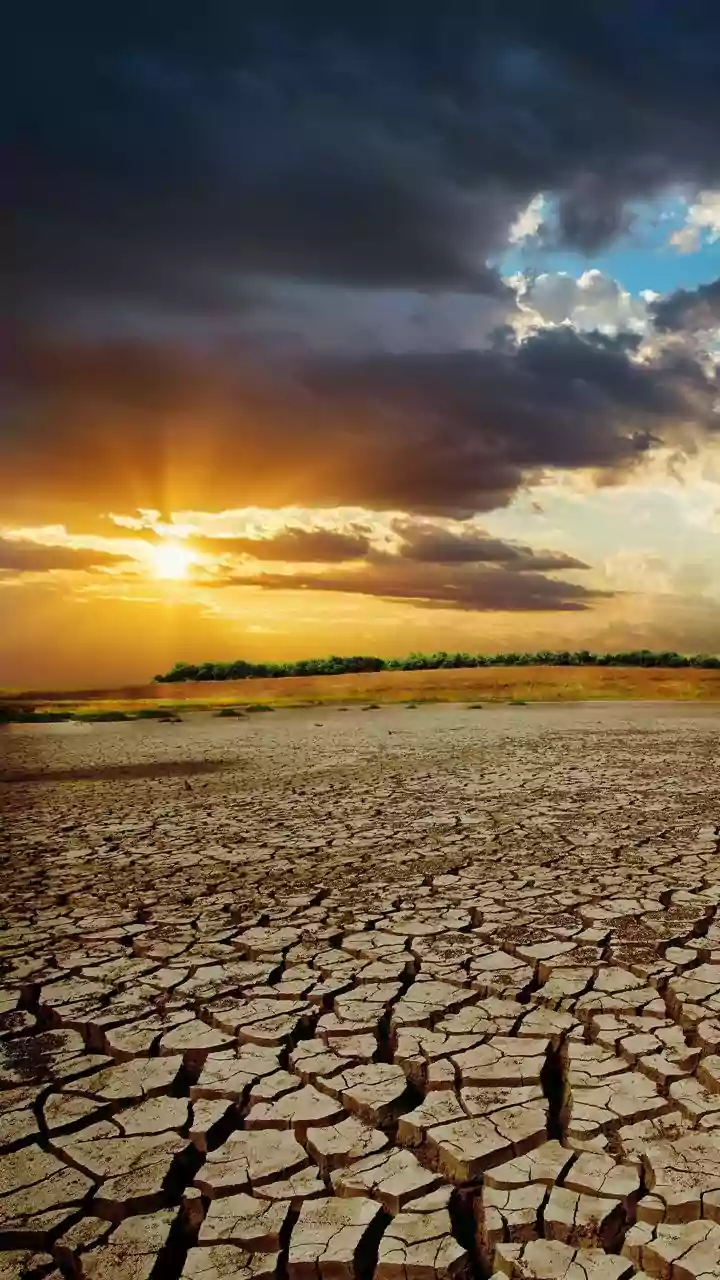
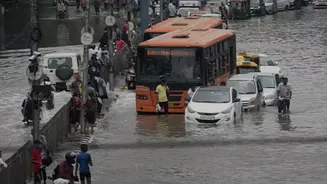
For India, the most significant impact of El Niño is its effect on the all-important southwest monsoon, which provides about 75% of the country's annual rainfall. Historically, El Niño is associated with a weaker monsoon, leading to below-normal rainfall and a higher likelihood of drought conditions, particularly in northern, central and western India. This happens because the altered atmospheric circulation can suppress the development of rain-bearing clouds over the subcontinent. However, the effect isn't always straightforward. Sometimes, a weaker overall monsoon can be punctuated by short bursts of extreme rainfall, leading to localized flooding and landslides. Alongside erratic rains, El Niño periods typically bring higher-than-normal temperatures and more frequent and intense heatwaves across the country, a risk amplified by the background warming of the planet.
A Magnifier for Health Risks
The WHO has classified its global response to the current El Niño at its highest emergency level, not because El Niño directly causes diseases, but because it acts as a powerful 'risk multiplier'. The agency has flagged India as a country facing high or very high public health risks from the event. The altered weather patterns create ideal conditions for a range of health threats. Warmer temperatures and erratic rainfall can expand mosquito breeding grounds, increasing the transmission of vector-borne diseases like dengue, malaria, and chikungunya. In fact, authorities have already been put on high alert to ramp up surveillance for these diseases. At the same time, intense heatwaves increase the incidence of heat exhaustion, dehydration, and life-threatening heatstroke, while also worsening existing conditions like heart and kidney disease.
Water, Food, and Public Health Systems Under Strain
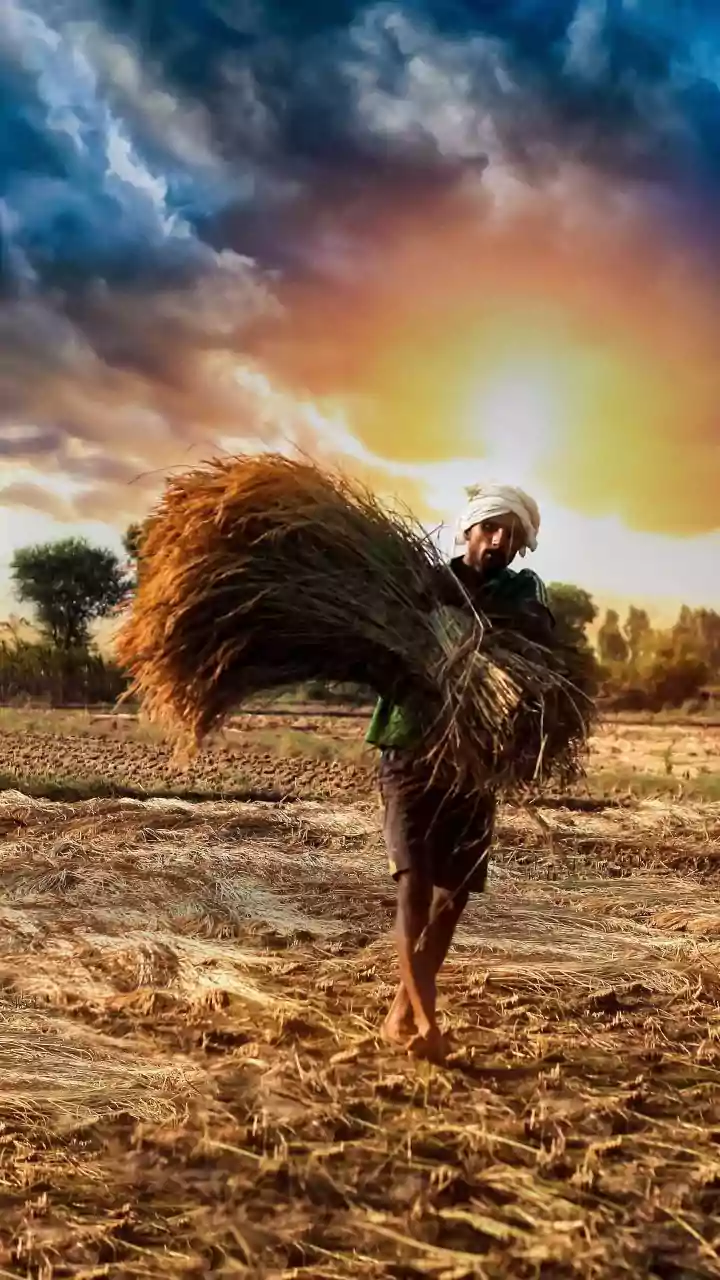
The impacts ripple out from there. Reduced rainfall can lead to water scarcity, affecting both drinking water supplies and sanitation. Flooding, when it does occur, can contaminate water sources, leading to outbreaks of water-borne illnesses like cholera, typhoid, and leptospirosis. Agricultural output is also severely threatened. Drought-like conditions can lead to crop failures, impacting food security, raising prices, and potentially causing malnutrition. This combination of health crises can place immense strain on our public health infrastructure. Extreme weather events can damage facilities, disrupt medical supply chains, and make it difficult for people to access essential healthcare services when they need them most.
Strengthening Our Defenses at Home and in the Community
While the scale of El Niño is global, preparation is local. Health authorities are already implementing strategies, including strengthening disease surveillance, preparing hospitals for heat-related emergencies, and ensuring access to essential medicines. Individuals can also take steps to protect themselves and their families. During heatwaves, it's crucial to stay hydrated, avoid strenuous activity during peak sun hours, and look out for the most vulnerable, including the elderly and young children. To prevent mosquito-borne illnesses, eliminate standing water around the home—in coolers, flower pots, and tanks—and use mosquito nets. Staying informed through official channels like the India Meteorological Department (IMD) and the Ministry of Health can provide timely warnings and guidance. Community awareness and participation are key to mitigating the worst effects of this powerful climate event.