


What Exactly Is El Niño?
El Niño is a recurring climate pattern characterized by the unusual warming of surface waters in the central and eastern equatorial Pacific Ocean. This change, which happens every two to seven years, might seem distant, but it has a significant domino
effect on weather systems worldwide. It alters atmospheric circulation, shifting rainfall and temperature patterns globally. For India, El Niño has historically been linked with weaker summer monsoons, which are vital for the country's agriculture and water reservoirs. However, its impact is never guaranteed, as other climate drivers like the Indian Ocean Dipole (IOD) can either worsen or offset its effects.
The Latest Forecast: A 'Very Strong' Event
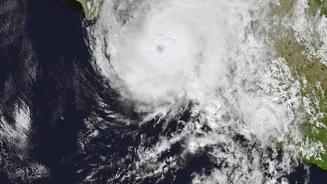
Meteorological agencies, including the World Meteorological Organization (WMO) and India's own forecasting bodies, are flagging the current El Niño as a particularly strong one. Projections indicate a high probability that these conditions will continue through February 2027. Scientists have noted that the developing event could rival or even surpass the intensity of previous major El Niños, like the one in 2015-16. This isn't just a weather report; it's a critical warning. A 'very strong' El Niño significantly increases the likelihood of extreme weather events, making advanced preparation crucial. Indian authorities are closely monitoring the situation using advanced prediction models to anticipate regional impacts.
The Looming Threat of Extreme Heat
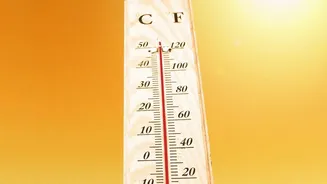
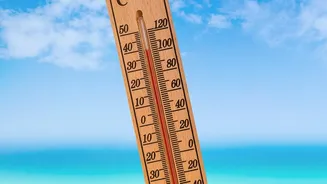
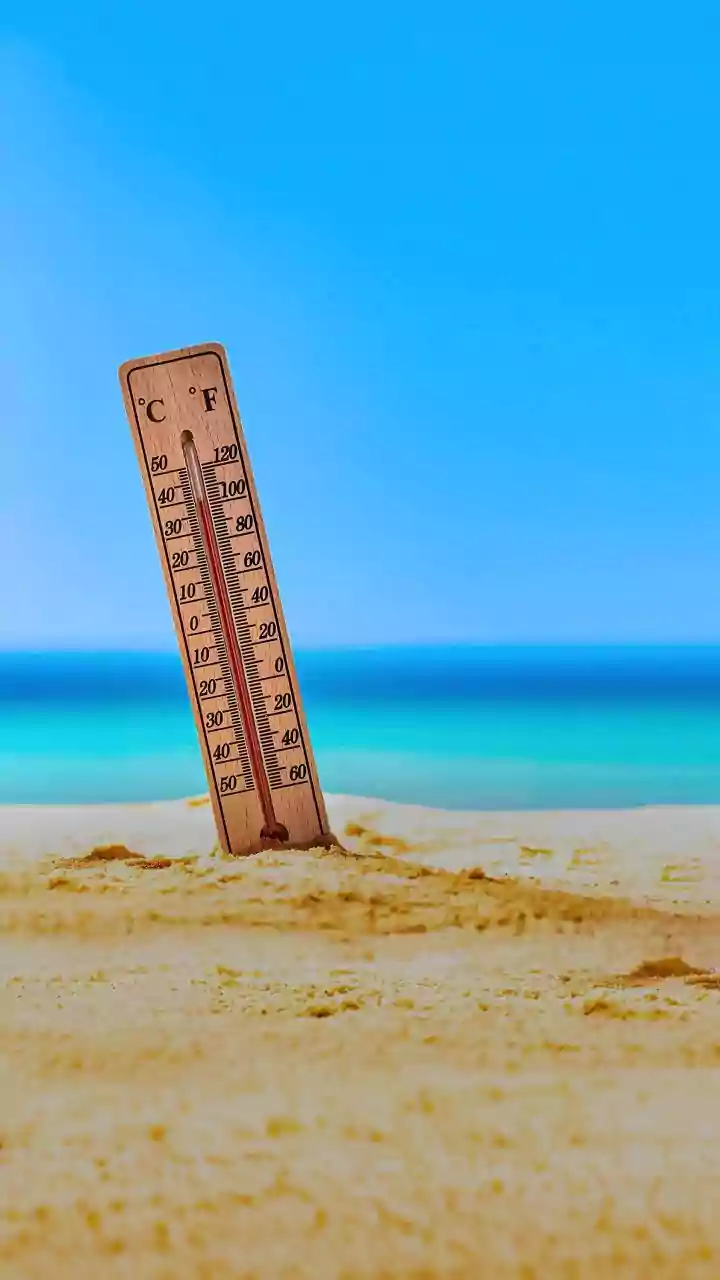
One of the most immediate concerns for India is the risk of more frequent and intense heatwaves. El Niño years, particularly the year following the event's peak, are often associated with warmer-than-normal temperatures. The year after the powerful 1997-98 El Niño, India recorded one of its deadliest heatwaves. Experts warn that if the current El Niño persists into early 2027, India could face a dangerously warm pre-monsoon season. These heatwaves pose a direct threat to public health, increasing risks of heatstroke and dehydration, and place immense stress on agriculture, energy grids, and water supplies.
The Paradox: Drought and Deluge
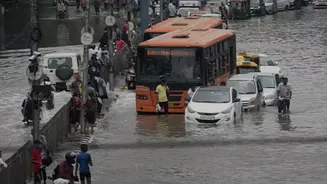
While El Niño often brings drier conditions and the threat of drought to many parts of India, it also paradoxically increases the risk of intense, localised flooding. The phenomenon can create erratic rainfall patterns, where some regions suffer from prolonged dry spells while others are hit with sudden, heavy downpours. Recent forecasts for the winter of 2026-27 suggest that parts of the Hindu Kush Himalaya region, including northern India, could see above-normal rain and snowfall. This could lead to a higher risk of localised floods, landslides, and avalanches in the mountainous western regions, demonstrating the complex and varied impact of this single climate driver.
Impact on Agriculture and Water Security
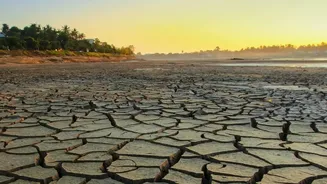
For a country heavily dependent on agriculture, the stakes are incredibly high. A weakened monsoon can lead to significant rainfall deficits, impacting the Kharif crop yields of staples like rice and maize. This not only threatens the livelihoods of millions of farmers but also raises concerns about food security and potential price fluctuations. Water security is another major issue, as below-normal monsoon rains can lead to depleted reservoirs and increased pressure on groundwater resources. Scientists have already identified dozens of districts across India that are at a 'very high' or 'high' risk of drought due to the developing conditions.