





The Farmer's Plea for Price Protection
For India's millions of cotton farmers, the harvest season is a time of hope and anxiety. After battling rising input costs, unpredictable weather, and pest attacks, their financial survival depends on getting a fair price for their produce. Domestic
prices are currently hovering above the government-mandated Minimum Support Price (MSP), offering a decent return. However, the looming threat is cheaper imported cotton. Farmer groups argue that allowing duty-free imports, especially when the new domestic crop is arriving in markets, can cause a sudden price crash. They fear that a flood of foreign cotton would undermine their earnings, push them into debt, and threaten their livelihood. This is a sensitive issue, as stable farm income is crucial for social and economic stability across rural India.
The Mill's Push for Competitiveness
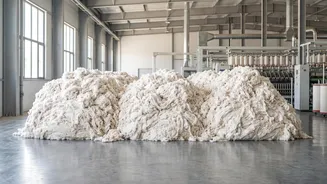
On the other side of the dilemma are the country's textile mills. As a cornerstone of India's manufacturing sector and a massive employer, the textile industry operates on tight margins in a fiercely competitive global market. Industry bodies like the Confederation of Indian Textile Industry (CITI) argue that high domestic cotton prices make them uncompetitive against rivals like Bangladesh and Vietnam. They advocate for duty-free imports to lower their raw material costs, which is the single largest component of their expenditure. Furthermore, mills often need specific varieties of high-quality, contamination-free cotton to meet the stringent standards of international buyers, which may not always be available domestically. For them, access to affordable global cotton is not just about profit, but about survival and maintaining India's position as a textile powerhouse.
A Demand-Supply Mismatch
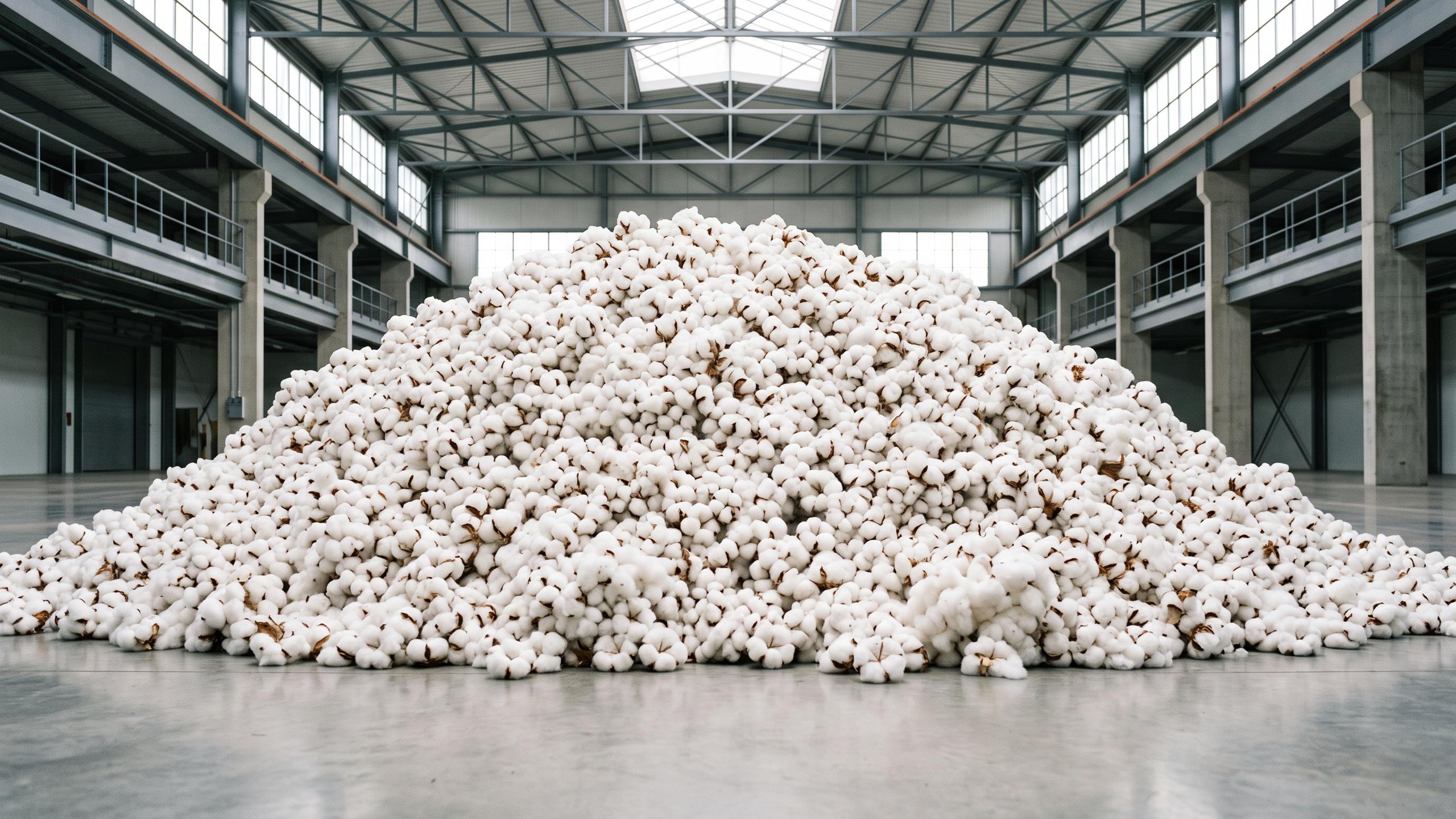
The current friction is intensified by a potential mismatch between demand and supply for the 2026-27 season. Trade estimates project that domestic cotton production may fall to around 29 million bales due to factors like patchy monsoon rains and outdated seed technology. Meanwhile, domestic demand is estimated to be significantly higher, potentially exceeding 34 million bales, partly driven by new export opportunities from recent trade agreements. This anticipated shortfall has kept domestic prices firm, even during the harvest season. This is why textile mills have been lobbying the government to extend the duty-free import window, which was initially set to expire on October 31, 2026. An extension, they argue, is necessary to bridge the supply gap and prevent input costs from spiralling out of control.
The Government's Tightrope Walk
Caught in the middle is the government, tasked with performing a delicate balancing act. On one hand, it must protect the interests of a massive agricultural vote bank by ensuring farmers receive remunerative prices. On the other, it must support the textile industry, a critical contributor to GDP and exports. The primary policy tool at its disposal is the 11% customs duty on cotton imports. In May 2026, the government waived this duty until the end of October to help mills during the lean season when domestic supply is low. Now, with mills demanding an extension and farmers opposing it, officials face a difficult decision. Extending the duty waiver could anger farmers by depressing prices during their peak selling season, while reinstating it could hurt the textile sector's competitiveness.