




The Kerala You Know vs. The One You Don't
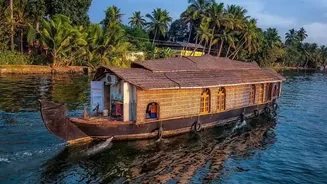
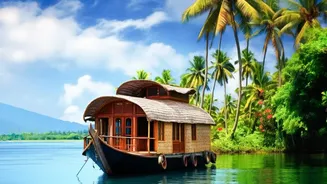
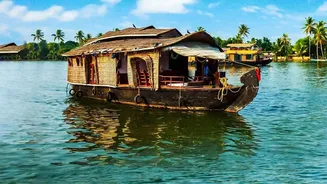
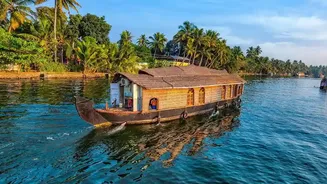
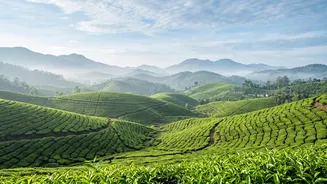
For decades, Kerala has been marketed to the world as 'God's Own Country'—a serene paradise perfect for a restorative escape. The postcard images of houseboats drifting on Vembanad Lake or early morning walks through Munnar's tea gardens are iconic for a reason.
They represent a peaceful, manicured version of the state that has enchanted travellers from across the globe. But this is only one layer of its identity. The true soul of Kerala is not always quiet or serene. It is often loud, chaotic, colourful, and profoundly communal. This is the Kerala that comes alive in its sacred groves, temple grounds, and village squares during festival season. While tourism provides a curated experience, local celebrations offer a raw, unfiltered window into the state’s history, social fabric, and spiritual core. These events are not staged for an audience; they are living traditions, and observing them offers a perspective that no tour package can replicate.
Where Gods Walk Among Mortals
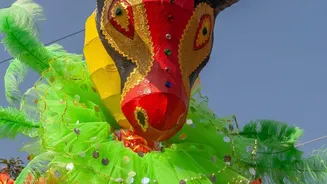
In the northern Malabar region, an ancient and powerful ritual called Theyyam transforms men into deities. Far from a simple performance, Theyyam is a sacred rite where the performer, after weeks of intense spiritual and physical preparation, channels a divine spirit. For a few hours, they become a living god, offering blessings, settling disputes, and interacting directly with devotees in a trance-like state. Witnessing a Theyyam is a visceral experience. The elaborate, larger-than-life costumes, dramatic face paint, and the rhythmic drumming that accompanies the frenzied dance create an atmosphere of primal energy. It takes place not on a stage, but in open-air village shrines and ancestral homes, with the community gathered in close proximity. This ritual reveals a facet of faith that is deeply personal and accessible, subverting the rigid hierarchies often found in formal temple worship.
A Symphony of Elephants and Unity
If Theyyam is about intimate divinity, Thrissur Pooram is a spectacle of epic proportions. Often called the 'mother of all temple festivals', this annual event in Thrissur is a dazzling display of sound, colour, and communal pride. The festival centres on a friendly and spirited rivalry between two major temples, Paramekkavu and Thiruvambady, who compete to put on the most magnificent display. The highlights include a procession of over 30 caparisoned elephants, the synchronised beats of the 'Panchavadyam' percussion ensemble, and the breathtaking 'Kudamattam', where men atop the elephants rhythmically exchange ornate silk umbrellas. More than just a religious event honouring Lord Shiva at the Vadakkunnathan Temple, Thrissur Pooram is a powerful symbol of social unity, bringing together people from all walks of life in a shared celebration of artistry and devotion.
A New Year of Hope and Reflection
Not all of Kerala’s significant celebrations are grand public affairs. Vishu, the Malayalam New Year celebrated in mid-April, offers a quieter, more intimate glimpse into the state's cultural values. The most important ritual is the 'Vishukkani', which means 'the first thing seen' on the new year. The night before, families prepare a beautiful arrangement of auspicious items: golden Kanikonna flowers, fresh produce, rice, gold, coins, and a mirror, all placed before an image of Lord Krishna. At dawn, the eldest member of the family wakes up and, without opening their eyes, is led to the arrangement. Seeing this symbol of abundance and prosperity is believed to set a positive tone for the year ahead. This family-centric festival, which also includes the tradition of 'Vishukkaineetam' (elders giving money to children) and a festive feast, highlights the deep importance of family, hope, and gratitude in Malayali culture.