

The Invisible Intruder: Understanding PM2.5
The primary villain during a smog event is particulate matter, specifically PM2.5. These are incredibly fine particles, about 30 times smaller than a human hair, that can come from vehicle exhaust, industrial emissions, and crop burning. Because of their
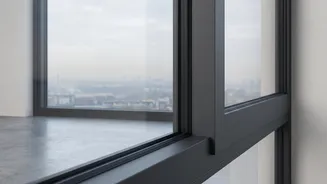
minuscule size, they can stay suspended in the air for long periods and easily penetrate deep into our lungs when inhaled, leading to a host of health issues. These problems range from short-term irritation of the eyes and throat to long-term risks like asthma, heart disease, and reduced lung function, particularly affecting children and the elderly. While closing windows and doors is a good first step, it’s often not enough, as these particles can infiltrate through tiny, unseen gaps in your home's structure.
Fortify Your Home: Sealing Leaks and Gaps
Your first line of defence is to make your home as airtight as possible. Outdoor air primarily enters through gaps and cracks around windows and doors, as well as openings for pipes, wiring, and exhaust fans. Start by inspecting all your window and door frames. Apply weatherstripping or caulk to seal any visible gaps. For a simple, low-cost solution, door sweeps can be fitted to the bottom of main doors to block the space underneath. Don't forget to check areas where utility lines or AC ducts enter the house, as these are common weak points for air leakage. Sealing these entry points can significantly reduce the amount of outdoor pollution that passively drifts into your living space.
The Role of Air Purifiers
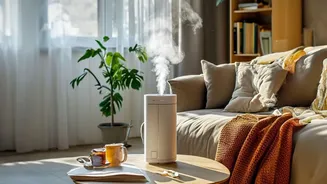
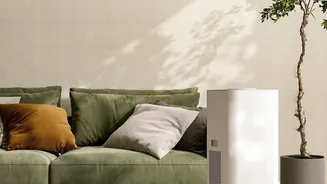
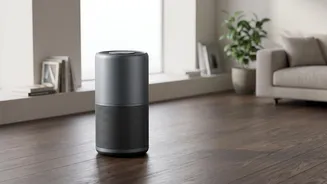
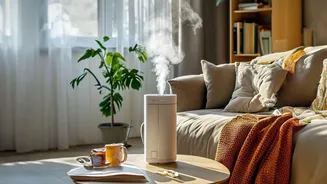
While sealing your home reduces the entry of new pollutants, an air purifier is crucial for removing particles that are already inside. When choosing a purifier, the most important feature to look for is a High-Efficiency Particulate Air (HEPA) filter. HEPA filters are designed to capture at least 99.97% of airborne particles that are 0.3 microns in size, which includes the dangerous PM2.5 fraction of smog. For best results, choose a purifier with a Clean Air Delivery Rate (CADR) appropriate for your room size and run it continuously in the rooms where you spend the most time, like bedrooms and living areas. Remember to clean or replace the filters according to the manufacturer's instructions to ensure the device remains effective.
Smart Ventilation and Household Habits
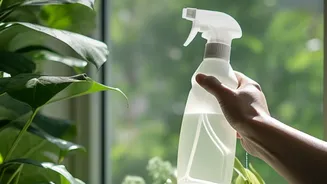
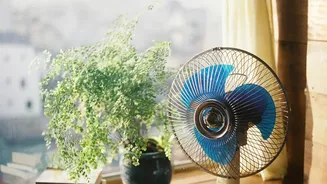
A sealed home can trap indoor pollutants from sources like cooking, cleaning products, and even breathing. Therefore, ventilation is still necessary but must be done strategically. Avoid opening windows during peak pollution hours, which are typically in the early morning and late evening. Some experts suggest a brief window in the mid-afternoon (around 1 PM to 3 PM) when sunlight may help disperse some pollutants. When you do ventilate, creating cross-ventilation by opening windows on opposite sides of the house for a short period can be effective. Crucially, always use an exhaust fan that vents outdoors when cooking, especially when frying, as this activity generates a high amount of indoor particulate matter. Also, avoid burning incense, candles, or mosquito coils, as these add directly to the indoor pollution load. Regular wet mopping of floors and damp dusting of surfaces can also help remove settled particles without kicking them back into the air.