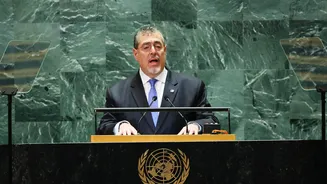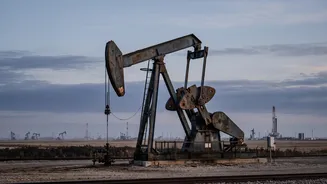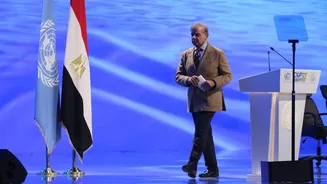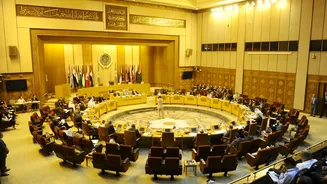






After running a record-breaking 48 hours into overtime, the COP31 climate summit in Antalya, Turkey, ended not with a bang, but with the gavel falling on a collapsed deal. The culprit? A deep, unbridgeable divide over the future of oil and gas.
No Deal: The Marathon Standoff
The UN
climate conference, which ran for two weeks, became the longest in history as negotiators worked around the clock to find common ground. However, the talks ultimately collapsed without an overarching agreement, known as a 'cover decision', for the first time since 2009. The final draft text, presented by the Turkish and Australian co-presidents, was rejected by a powerful bloc of countries for what it didn't say. Specifically, it failed to include any explicit mention of phasing out or transitioning away from fossil fuels, the primary driver of climate change. This omission was seen by many as a step backward from previous commitments.
The Great Divide: Phase-Out vs. Loopholes
The negotiations exposed a stark fault line in global climate politics. On one side, a coalition of around 130 nations, including the 27-member European Union and numerous climate-vulnerable island states, demanded strong language to signal a definitive end to the fossil fuel era. Speaking for the EU, Ireland's climate minister called a text that doesn't mention fossil fuels 'unconscionable'. On the other side, major oil and gas-producing nations, such as Saudi Arabia and Russia, staunchly opposed such language. They argued for focusing on 'all solutions', including controversial carbon capture and storage (CCS) technologies, which critics say are a 'Trojan horse' that allows polluters to continue emitting. The final draft was seen as promoting these unproven technologies as a smokescreen, while removing direct references to oil, gas, and coal.
India's Position and the Developing World
The debate was not a simple binary between developed and developing nations. Countries like India and China, while reportedly accepting the final text to keep the process alive, have consistently argued that climate action must be balanced with developmental needs. The Indian delegation has stressed that any ambitious climate goals must be accompanied by adequate financial and technological support from developed nations, a principle known as 'common but differentiated responsibilities'. The collapse of talks also meant that progress on critical finance issues, such as tripling adaptation funding for vulnerable countries, stalled, leaving many developing nations frustrated. The UN's adaptation fund goal of $1.2 billion received commitments of just over $50 million, highlighting the vast gap between needs and reality.
A 'Deeply Disappointing' Outcome
Reactions to the summit's failure were swift and sharp. UN Secretary-General António Guterres expressed his 'deep disappointment', blaming the influence of 'powerful fossil fuel interests'. Climate activists and representatives from the most vulnerable nations were more blunt. The Marshall Islands' delegation said the proposed deal was 'the worst possible response' and that they would not 'compromise our future to benefit fossil fuel interests'. Many groups framed the outcome as 'no deal is better than a bad deal', applauding the rejection of a text they believed would have actively undermined climate action by promoting false solutions. However, others lamented the lost opportunity and the sign of a decaying multilateral process.