








What is 'Unmineralized' Water?
When we talk about “unmineralized” water, we’re typically referring to water that has been purified through processes like reverse osmosis (RO) or distillation. These methods are incredibly effective at removing contaminants, heavy metals, and other impurities.
In many parts of India, RO purifiers are a household staple for ensuring water safety. However, this high level of filtration is so thorough that it also strips out beneficial minerals like calcium, magnesium, and potassium. The result is water that is pure, but also demineralized, which means it lacks the dissolved solids that our bodies have come to expect from natural water sources.
Your Body's Electrical System
These missing minerals are more than just flavour enhancers; they are electrolytes. Think of electrolytes as the spark plugs for your body. These charged ions—sodium, potassium, calcium, and magnesium—are vital for countless functions. They help regulate nerve impulses, muscle contractions, and perhaps most importantly, your heart’s rhythm. Your circulatory system relies on a precise balance of these minerals to function correctly. Magnesium, for example, is crucial for muscle function and heart health, while calcium is key for heart muscle contractions. An imbalance can disrupt the heart's electrical signalling, potentially leading to arrhythmias or irregular heartbeats.
The Sweat Factor for Workers and Athletes
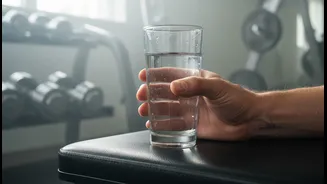
This is where industrial workers and gym athletes enter the picture. Both groups engage in strenuous physical activity that causes them to sweat—a lot. Sweat isn't just water; it's also a significant source of electrolyte loss, especially sodium, potassium, and magnesium. A construction worker in the heat or an endurance athlete can lose litres of fluid per hour, taking these crucial minerals along for the ride. When they reach for water to rehydrate, they are often replenishing the fluid but not the lost electrolytes. This is a critical distinction that is often overlooked.
The Risk of Rehydrating with 'Empty' Water
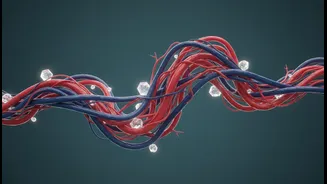
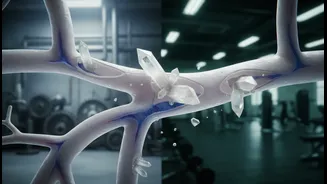
Drinking large amounts of demineralized water after intense sweating can create a dangerous imbalance. When you lose electrolytes through sweat and replace them with mineral-free water, you dilute the concentration of electrolytes remaining in your bloodstream. This can lead to a condition called hyponatremia (low sodium), with symptoms like muscle cramps, dizziness, fatigue, and confusion. More seriously, a severe electrolyte imbalance puts significant strain on the cardiovascular system. The heart has to work harder to pump blood, and the risk of irregular heartbeats increases. While the term “circulatory blocks” from the headline is not a clinical one, this state of severe electrolyte imbalance and increased blood viscosity from dehydration can certainly elevate the risk for serious cardiovascular events.
How to Hydrate Smarter
The solution isn't to stop drinking purified water, which remains crucial for avoiding contaminants. Instead, the focus should be on replenishing lost minerals. For those who are physically active, this is especially important. One option is to use remineralization filters or drops for RO systems, which add essential minerals back into the water. During and after intense physical work or exercise lasting over an hour, consider an electrolyte drink that can help replace lost sodium and potassium. You can also focus on a diet rich in minerals. Bananas and spinach are great sources of potassium, while nuts, seeds, and leafy greens provide magnesium. The key is to be mindful not just of your water intake, but your mineral intake as well.