


Decoding 'Wet-Coat Dermatitis'
While the headline uses the term 'wet-coat dermatitis', what it describes is a condition veterinarians officially call acute moist dermatitis, or pyotraumatic dermatitis. To most pet parents, it's known by a simpler, more descriptive name: a 'hot spot'.
It's not just a minor rash; it's a rapidly developing, localized bacterial skin infection. These lesions are often red, swollen, oozing, and intensely painful for the dog. They can appear seemingly out of nowhere, sometimes growing from a small irritation to a large, angry sore in just a few hours.
The Science Behind the Sore
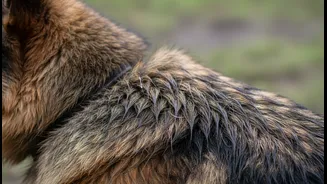
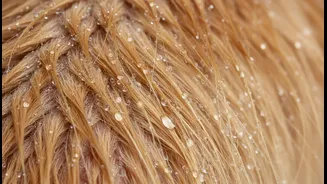
A dog's fur is designed for insulation, but that same dense coat can become a liability in humid weather. When a dog gets wet from rain, a bath, or swimming, moisture gets trapped against the skin. This creates a warm, damp microenvironment—the perfect breeding ground for bacteria, like Staphylococcus, that normally live harmlessly on the skin. High humidity, a hallmark of the Indian monsoon, prevents this moisture from evaporating, making the problem worse. The initial irritation makes the dog lick, chew, and scratch the area. This self-trauma breaks the skin, introduces more bacteria, and causes more inflammation, creating a vicious cycle that makes the hot spot spread quickly. Dogs with thick double coats, like German Shepherds and Golden Retrievers, are particularly susceptible.
Signs and Symptoms to Watch For
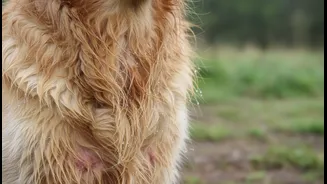
Because hot spots develop so fast, early detection is crucial. Keep an eye out for these tell-tale signs after your dog has been wet: obsessive licking or chewing of a single spot, fur that seems matted or stuck down over an area, sudden hair loss, and skin that is red, moist, or weeping a clear or pus-like fluid. You might also notice swelling or a distinct foul or musty odour coming from the affected area. The spot will likely be sensitive and painful to the touch. These signs are your cue to take immediate action to prevent the condition from worsening.
Prevention Is the Best Medicine
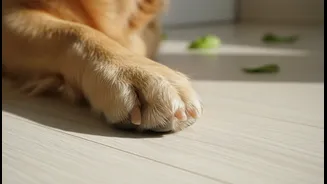
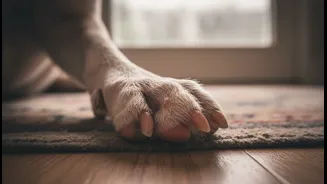
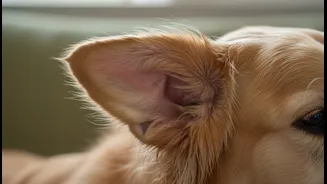
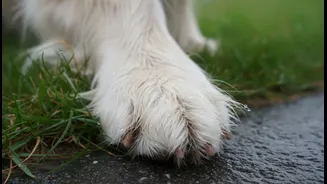
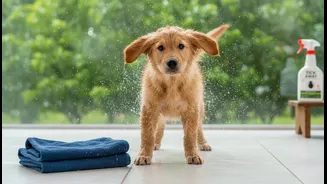
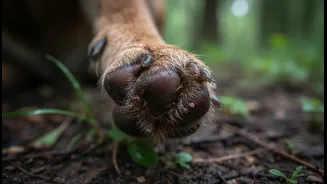
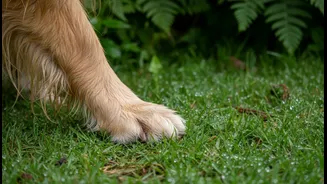
The good news is that preventing hot spots is straightforward. The single most important thing you can do is dry your dog thoroughly every single time they get wet. A quick pat-down isn't enough. Use an absorbent towel to remove as much water as possible. Pay special attention to often-missed spots: between the paw pads, under the belly, in the armpits, beneath the collar or harness, and inside the ears. For dogs with thick or long fur, a towel alone won't do the job. Invest in a pet-safe blow dryer and use it on a low, cool setting to ensure the undercoat is completely dry. Regular grooming and brushing also helps by preventing mats, which are notorious for trapping moisture.
What to Do If You Find a Hot Spot
If you discover a hot spot, your first call should be to your veterinarian. These infections can escalate quickly and often require medical intervention. To provide immediate relief and prevent the sore from spreading while you wait for your appointment, your vet may advise you to carefully trim the fur around the area with clippers (not scissors) to allow air to reach the skin. They will also guide you on how to clean it with a prescribed antiseptic. It is critical to stop your dog from licking the area. This usually requires an Elizabethan collar, also known as a cone. Do not use human medications like ointments unless specifically told to by your vet, as they can sometimes make things worse or be toxic if ingested. Professional treatment may include antibiotics, anti-inflammatory drugs, and medicated sprays or creams to resolve the infection and soothe the pain.