


The Great Atmospheric Clear-Out
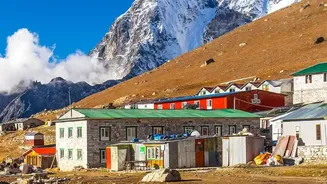
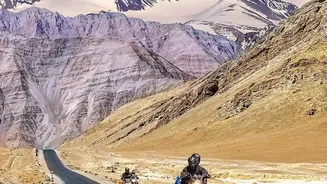
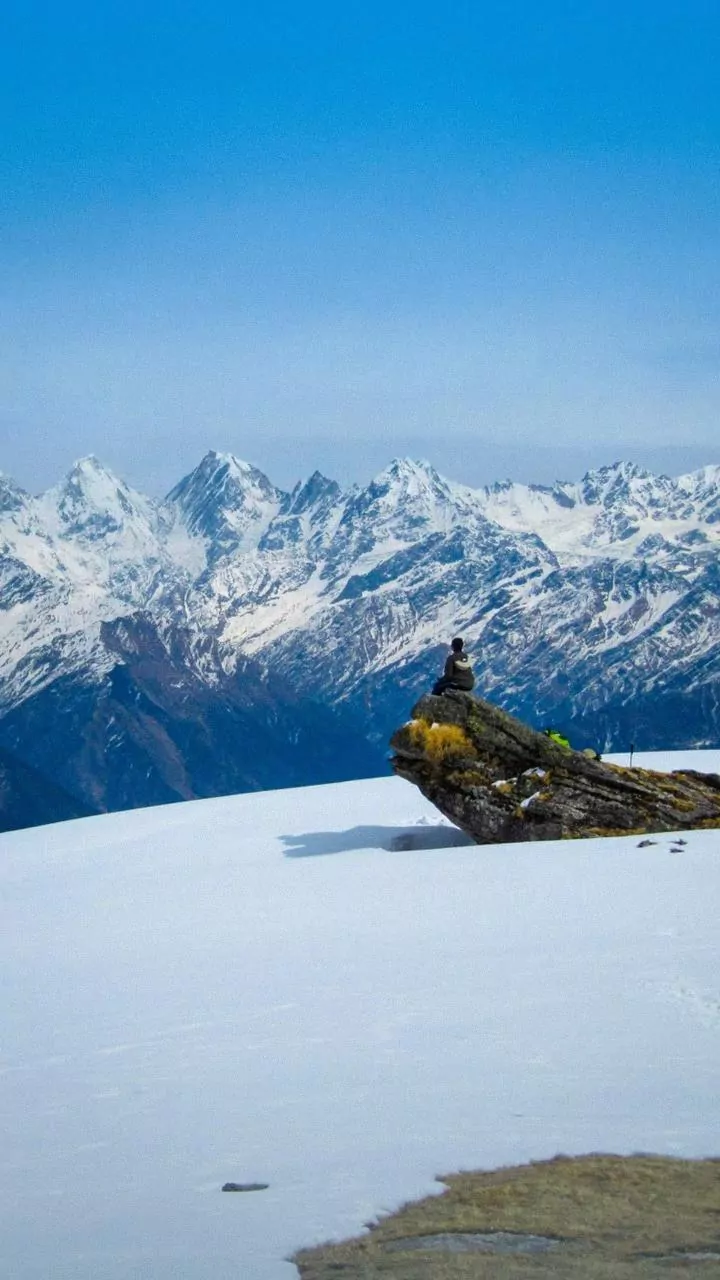
From June to September, the summer monsoon drenches the southern slopes of the Himalayas, washing the atmosphere clean of dust and pollutants. When these rains retreat, they leave behind pristine, dry air and largely cloudless skies. This is what creates
the sharp, high-definition views that draw photographers and adventurers. However, this lack of cloud cover is a double-edged sword. While it provides glorious daytime conditions, it sets the stage for a dramatic and often underestimated temperature drop as soon as the sun disappears.
Clear Skies Mean Radiative Cooling
During the day, the sun warms the earth. At night, that heat radiates back into the atmosphere. On a cloudy night, clouds act like a blanket, trapping a significant amount of this outgoing heat and keeping temperatures milder. But in the post-monsoon Himalayas, with no cloud blanket, this heat escapes directly into space. This process, known as radiative cooling, causes surface temperatures to plummet rapidly after sunset. The result is a massive difference between daytime highs and nighttime lows, a phenomenon called diurnal temperature range. It’s not uncommon for a pleasant 15°C day to be followed by a night that drops well below freezing, especially at higher altitudes.
The Added Sting of Altitude and Wind
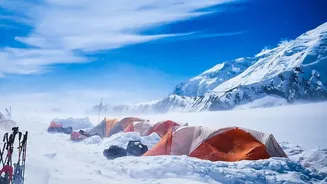
The cold is further intensified by two other factors: altitude and wind. For every 1,000 meters you ascend, the temperature typically drops by about 6.5°C. This means that even if it feels mild in a valley town, the conditions on a high pass will be substantially colder. Add wind to the equation, and you get the 'wind chill' effect. Wind strips away the thin layer of warm air that your body naturally maintains close to the skin, making the ambient temperature feel much colder than the thermometer reads. A calm -5°C night can feel like -15°C with even a moderate breeze, dramatically increasing the risk of cold-related illnesses like hypothermia if you're not properly protected.
Decoding 'Thermal Packing'
This is where thermal packing becomes non-negotiable. It isn't about bringing one giant, bulky jacket. Instead, it's about a smart, multi-garment strategy known as the layering system. This approach allows you to adapt to the huge temperature swings by adding or removing clothes as needed. A proper layering system consists of three key components that work together to manage moisture, trap heat, and protect you from the elements. Relying on a single heavy layer is a common mistake; it can cause you to sweat while hiking, and that dampness can lead to rapid chilling and hypothermia when you stop moving.
The Essential Three-Layer System
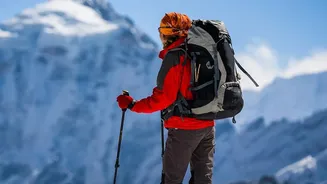
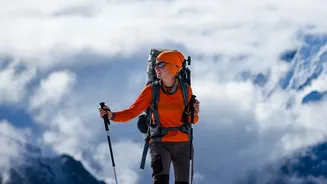
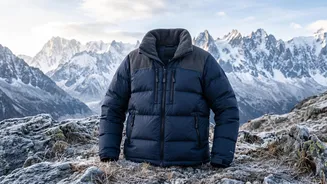
For any Himalayan trek during this season, your clothing system should be built around three functional layers. The first is the base layer, worn against your skin. Its job is to wick sweat away to keep you dry. Materials like merino wool or synthetics are ideal; cotton should be avoided as it holds moisture. The second is the mid-layer, which provides insulation. This is typically a fleece jacket or a light puffy vest that traps your body heat. The final part is the outer layer or shell, which is a windproof and waterproof jacket. This layer shields you from wind and any unexpected precipitation, protecting the insulating layers beneath.
Don't Forget Your Extremities
While the core layering system is vital, protecting your head, hands, and feet is just as important, as these are often the first parts of the body to suffer from the cold. A warm woolen or fleece cap is essential, as a significant amount of body heat is lost through the head. You should pack two pairs of gloves: a thinner pair for dexterity during the day and a thicker, insulated pair of mittens for the cold evenings and mornings. Finally, invest in several pairs of quality woolen trekking socks. Keeping your feet warm and dry is crucial not only for comfort but also for preventing blisters and more serious conditions like frostbite.