




For many working couples, the 'what's for dinner?' debate is a source of daily stress. After a long day, the thought of starting a meal from scratch can be draining. Batch cooking offers a simple, powerful solution to reclaim your weeknights.
Reclaim Your Weeknights From Decision Fatigue
The single
greatest benefit of batch cooking is the reduction of daily stress. When you have prepared meals or components ready to go, the mental load of figuring out dinner disappears. For dual-income couples juggling demanding jobs and personal commitments, this is a game-changer. Instead of improvising with takeout menus or less-than-healthy options, you have a wholesome, home-cooked meal ready in minutes. This frees up valuable time and mental energy in the evenings, allowing you to connect with your partner and unwind rather than heading straight back to work in the kitchen. It’s a system that replaces daily improvisation with a shared plan that both partners can benefit from.
The Strategy: Cook Once, Eat All Week
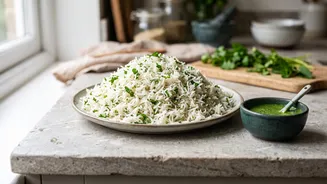
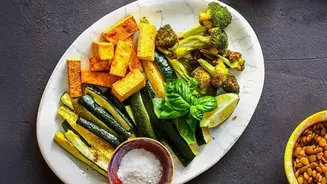
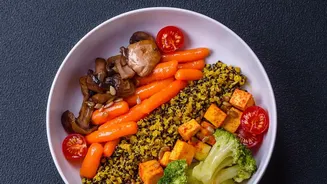
Batch cooking doesn't mean eating the same monotonous meal for five days straight. The key is to prepare versatile base ingredients in bulk. Dedicate a couple of hours over the weekend to cook a large batch of a neutral grain like quinoa or brown rice, roast a big tray of mixed vegetables, and prepare a versatile protein. For instance, a large batch of shredded chicken, seasoned simply with salt and pepper, can be the star of several distinct meals. By cooking components instead of entire dishes, you create a toolkit for quick assembly throughout the week, significantly cutting down on daily cooking and cleaning time.
From 'Leftover' to 'Planned-Over'
The most successful batch-cookers shift their mindset: they don't have 'leftovers'; they have 'planned-overs'. This means you deliberately cook extra with a future meal in mind. That roasted chicken from Sunday's dinner isn't just a remnant; it's the filling for Tuesday's tacos or Wednesday's hearty salad. The leftover rice becomes the base for a quick fried rice, and the remaining roasted vegetables can be blended into a soup or folded into a frittata. This approach eliminates the feeling of eating repetitive meals and drastically reduces food waste, which is good for both your wallet and the environment. Thinking of cooked food as ingredients for the next meal is the secret to making this system work.
A Practical Starter Plan for Two
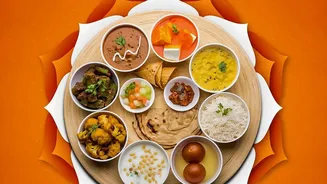
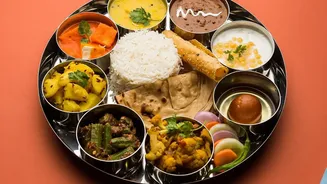
Getting started can feel daunting, so begin with a simple, manageable plan. On a Sunday, try this: cook two cups of dal, roast a large tray of potatoes and carrots, and pan fry four to six chicken breasts. On Sunday night, you can have the chicken with roasted vegetables. On Monday, the leftover chicken can be shredded and added to salads for lunch. On Tuesday, the dal can be quickly tempered with spices for a dal fry served with some fresh rice. Wednesday, the remaining roasted vegetables can be mashed with spices to create patties or added to a quick soup. This simple prep session provides the foundation for at least three different meals, with minimal weeknight effort.
Smart Storage Is Essential
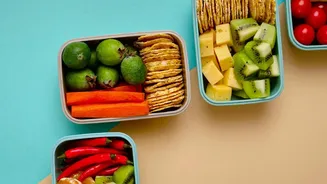
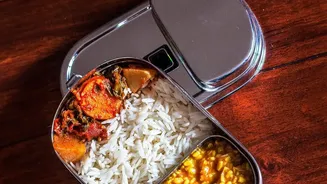
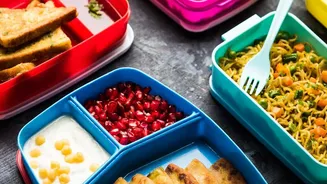
To ensure your food stays fresh and appealing, proper storage is nonstoppable. Invest in a set of clear, airtight containers so you can easily see what you have. Label everything with the contents and the date it was made. Many batch cooked items like soups, stews, and sauces freeze beautifully, extending their life well beyond a few days. A good rule of thumb is to refrigerate what you plan to eat within three to four days and freeze the rest. Portioning food before storing is another key habit. Freezing meals in single or double servings makes them much easier to thaw and use, preventing a scenario where you have to defrost a giant block of food for just two people.