






What Exactly Is This 'Wellness Flex'?
Fibre is a type of carbohydrate that our bodies can't digest. [11] It passes through our system relatively intact, performing critical jobs along the way. [2] There are two main types: soluble and insoluble, and you need both. [7] Soluble fibre dissolves
in water to form a gel-like substance. [15] Think of it as the body’s regulator—it helps lower bad cholesterol and stabilises blood sugar levels. [19] You'll find it in oats, barley, apples, and most dals. [28] Insoluble fibre, on the other hand, doesn't dissolve. [5] It acts like a broom, adding bulk to stool and sweeping things along your digestive tract to prevent constipation. [18] This is the fibre in whole wheat, nuts, and vegetables like cauliflower and beans. [19]
The Modern Indian Diet Dilemma
Traditionally, Indian diets were naturally rich in fibre, thanks to an abundance of whole grains, lentils, and vegetables. [3, 10] However, urbanisation has brought a significant shift. Polished white rice has often replaced millets, and refined flour (maida) has become a staple in everything from bread to snacks. [21, 27] This, combined with the rising consumption of ultra-processed foods, means many are falling short on their fibre intake. [20, 22] The Indian Council of Medical Research (ICMR) suggests adults aim for about 25-40 grams of fibre daily. [3, 16] Yet, studies show the average intake for many urban Indians is only around 15 grams. [6, 16] This 'fibre gap' is linked to a growing burden of lifestyle diseases, including diabetes, heart disease, and obesity. [3, 23]
Your Gut's Best Friend
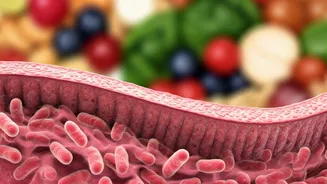
One of the most significant benefits of fibre is its role in nurturing our gut microbiome—the community of trillions of bacteria living in our digestive tract. [8] Fibre acts as a prebiotic, which is essentially food for these beneficial gut bacteria. [11] When these good bacteria ferment fibre, they produce short-chain fatty acids (SCFAs), which have powerful anti-inflammatory effects and are crucial for a healthy colon and strong immune system. [17] A diverse and well-fed microbiome is linked to everything from better digestion and mental health to a lower risk of chronic diseases. [12, 17] A diet low in fibre can starve these crucial microbes, potentially leading to inflammation and other health issues. [17]
Reclaiming Fibre, The Indian Way
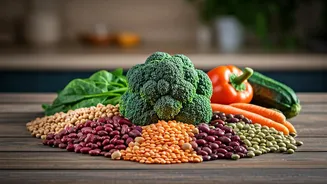
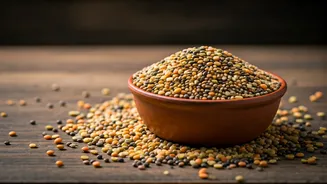
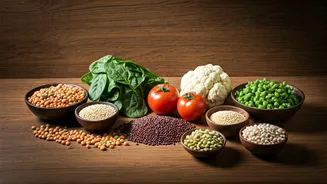
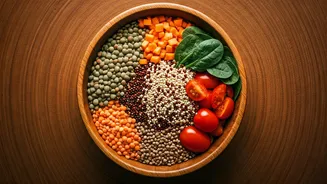
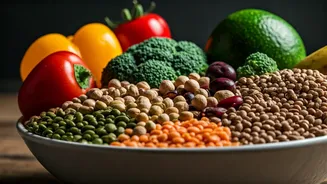
The good news is that you don’t need expensive, imported superfoods to boost your fibre intake. The Indian kitchen is already a treasure trove of high-fibre ingredients. Millets like jowar, bajra, and ragi are powerhouse grains that are far superior to refined wheat and rice. [10, 28] Legumes and pulses—from everyday dals like moong and masoor to chana and rajma—are packed with both fibre and protein. [2, 14] Don't forget vegetables like okra (bhindi), spinach, beetroot, and carrots. [2] Fruits such as guavas, apples (with the skin), bananas, and papayas are also excellent sources. [4, 10] Even nuts and seeds like almonds, walnuts, and flaxseeds can add a significant fibre punch to your meals. [4]
Simple Swaps for a Fibre-Rich Life
Meeting your daily fibre goals is easier than you think. Start with small, sustainable changes. Swap your regular atta for whole wheat or a multigrain blend. [6] Instead of white rice for every meal, try incorporating brown rice or millets a few times a week. [21] Begin your lunch with a simple salad. Snack on roasted chana or a handful of nuts instead of packaged chips. [24] Make it a point to include a vegetable-rich sabzi and a bowl of dal in your main meals. [6] And instead of peeling fruits like apples and pears, just wash them well and eat them with the skin on, as that’s where much of the fibre resides. [4] A gradual increase allows your digestive system to adapt, preventing any discomfort. [16]