


From Predictable to Pan-Asian
For years, the 'global' section of a café menu in India meant a familiar rotation of Italian-American and Continental fare. Think penne arrabbiata, loaded nachos, and veggie burgers. While comforting, these options often felt predictable. Now, a new wave
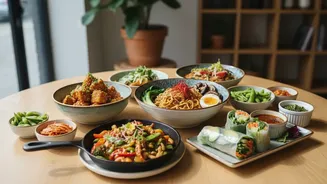
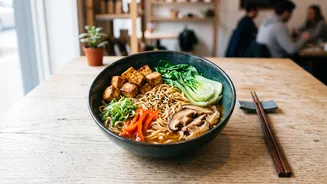
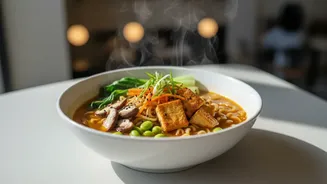
of culinary creativity is expanding that definition. Menus are making room for vibrant, complex, and entirely vegetarian dishes with roots in Japanese, Korean, Vietnamese, and Thai cooking. This isn't just about adding a token stir-fry; it's a fundamental shift. We're seeing everything from delicate vegetarian sushi rolls and steamed baos with innovative fillings to hearty bowls of ramen and flavour-packed laksa, all adapted for a vegetarian palate and served in a casual, all-day dining format.
The Driving Forces of Flavour
So, why is this happening now? Several factors are converging. Firstly, there's a growing health consciousness among Indian diners, who are seeking lighter, plant-forward meals. Pan-Asian cuisine, with its emphasis on fresh vegetables, broths, and steaming, fits this demand perfectly. Secondly, global exposure through travel, streaming content like K-dramas, and social media has created a generation of curious eaters eager to try the flavours they see on screen. Chefs are responding to a more adventurous diner who appreciates authenticity but also welcomes creative adaptations. Finally, there's the simple fact that Asian cuisines offer an incredible range of vegetarian possibilities that go far beyond paneer and potato, using ingredients like tofu, mushrooms, jackfruit, lotus root, and a variety of greens to create diverse textures and tastes.
Innovation on the Plate
This trend isn't about blandly removing meat from a recipe. It's about thoughtful innovation. Chefs are crafting plant-based versions of traditionally meat-heavy broths for ramen and pho, developing in-house sauces, and using local, seasonal produce to give global dishes a unique Indian context. For instance, you might find sushi made with Kerala red rice or fillings like crispy okra and avocado. Some cafes are creating fusion dishes like Korean paneer bowls or Thai curry khichdi, blending familiar Indian tastes with East Asian flavour profiles. This creativity shows that vegetarian cooking is not about limitations but possibilities, a principle long understood in Indian households but now being applied to a global canvas.
More Than Just a Trend
The rise of vegetarian Asian food in cafes signifies a deeper evolution in India's dining culture. It reflects a confident and modern identity, where 'global' no longer means simply Western. It shows an appreciation for our own deep-rooted vegetarian traditions while embracing new formats and flavours from our neighbours in Asia. For diners, it's a win-win situation. It diversifies the menu, provides exciting new options for vegetarians and vegans, and even tempts meat-eaters to explore plant-based dishes that are satisfying and full of flavour. These cafes are proving that vegetarian food can be the star of the show, not just a dietary footnote.