

While many chase the dramatic monsoons of Meghalaya, a quieter, more enchanting season awaits. Autumn transforms Sohra into a paradise of vibrant greens, clear blue skies, and spectacular vistas, offering the perfect balance of adventure and serenity.
Sohra’s Secret Season: Why Autumn is Ideal
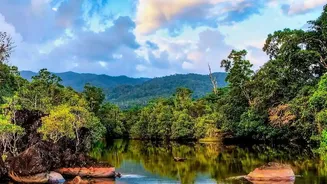
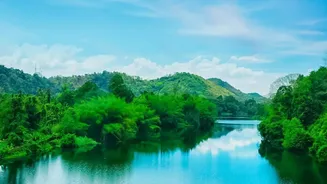
From October to November, Sohra, also known as Cherrapunji, sheds its monsoon cloak to reveal a landscape of breathtaking clarity and colour. The heavy rains recede, leaving behind a world washed clean and impossibly green. This post-monsoon period brings pleasant, cool weather with temperatures ideal for trekking and exploration, a welcome change from the intense humidity of summer. The biggest advantage of an autumn visit is the perfect compromise it offers: the waterfalls are still magnificent and full from the rains, but the trails are drier and safer for walking. With fewer tourists than in the peak monsoon or winter months, you get to experience the region’s famed beauty in a more peaceful and personal way.
A Cascade of Post-Monsoon Waterfalls
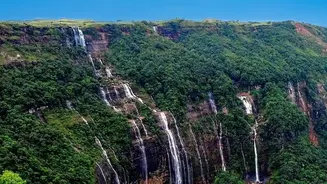
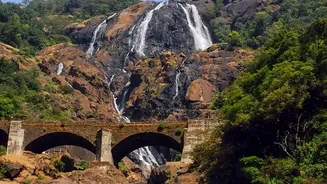
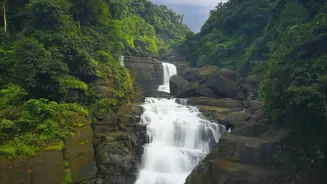
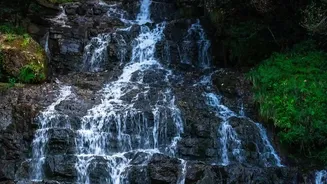
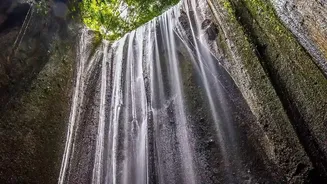
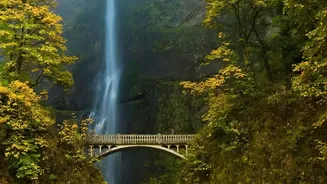
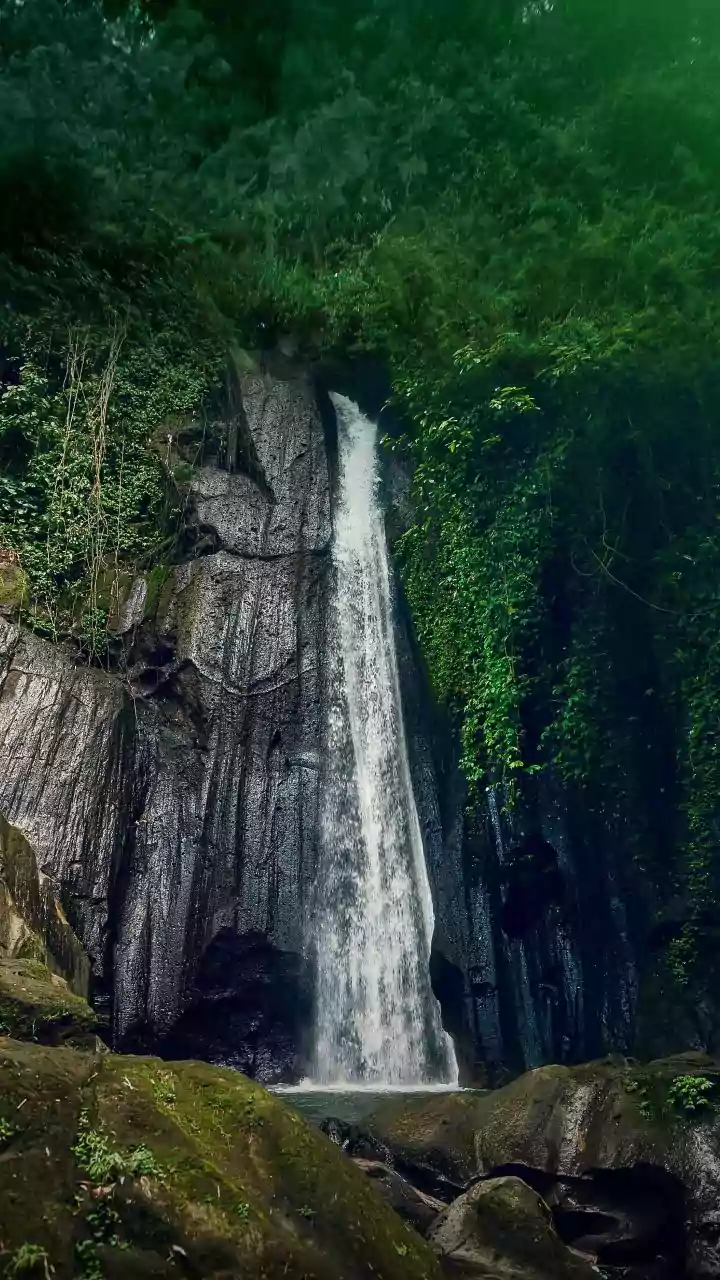
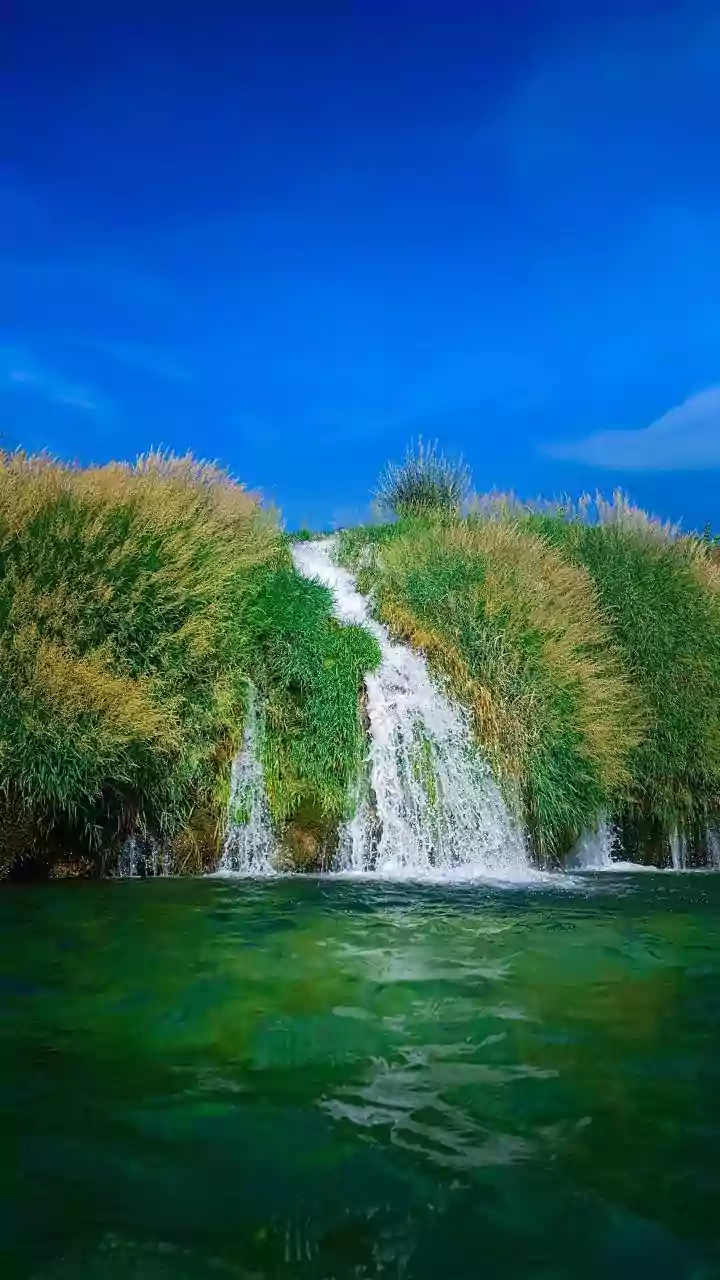
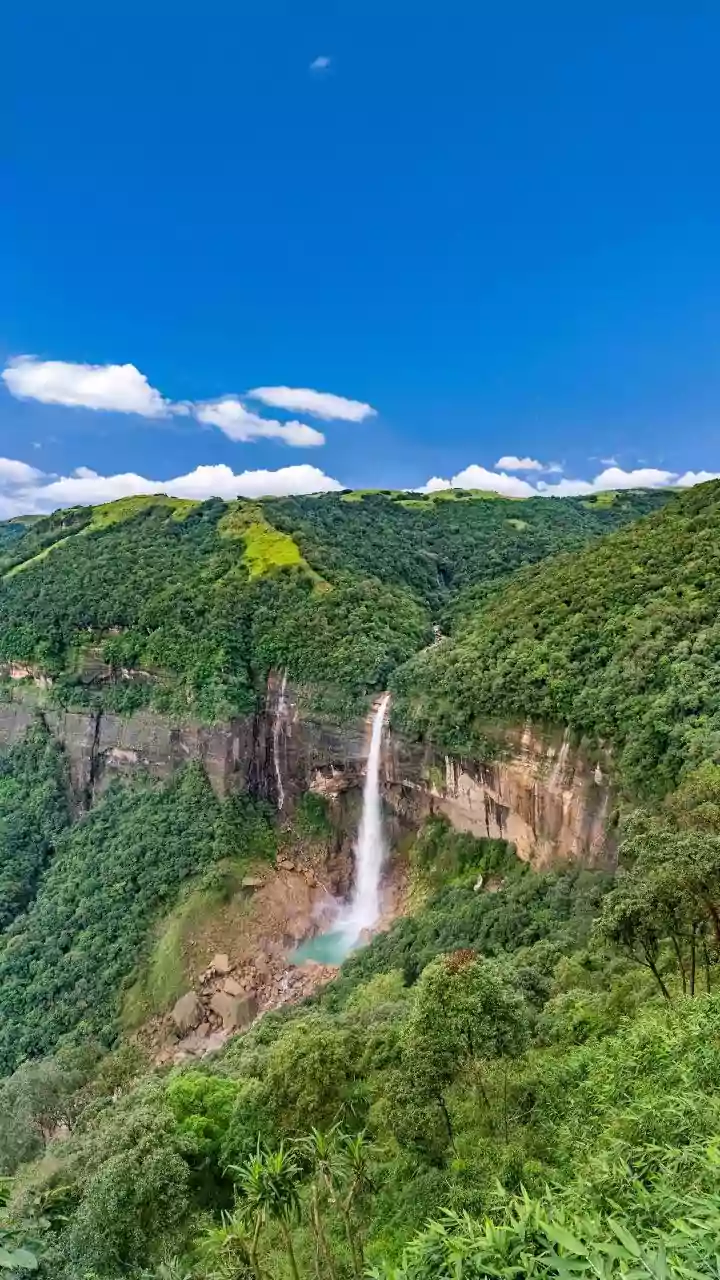
Sohra is legendary for its waterfalls, and autumn is an excellent time to witness them without the obstruction of constant fog and rain. Nohkalikai Falls, India's tallest plunge waterfall, is a truly spectacular sight, dropping 340 metres into a turquoise-green pool below. During autumn, the clearer skies often provide an unobstructed view of its majestic descent. The famous Seven Sisters Falls (Nohsngithiang Falls) and the powerful Dainthlen Falls are equally impressive against a crisp autumn backdrop. While the water volume might be slightly less than at the absolute peak of the monsoon, the trade-off is superior visibility and countless opportunities for stunning photography.
Walking on Living Architecture: The Root Bridges
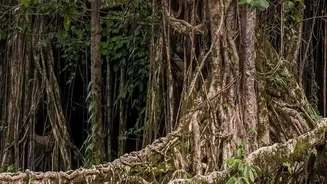
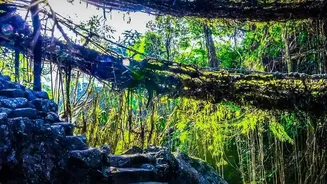
No trip to Sohra is complete without marvelling at the bio-engineering wonder of the living root bridges. These incredible structures, handcrafted over generations by the Khasi people, are made from the living aerial roots of the Ficus elastica tree. The most famous of these is the Jingkieng Umshiang, or the Double Decker Living Root Bridge, located in the village of Nongriat. It's a two-tiered bridge that showcases a remarkable harmony between human ingenuity and nature. Reaching it requires a significant trek, but the experience is unforgettable. The drier conditions of autumn make the trek safer and more comfortable, allowing you to fully appreciate the journey through the dense, verdant forest.
The Rewarding Trek to Nongriat
The journey to the Double Decker bridge is an adventure in itself. Starting from the village of Tyrna, the trek involves descending approximately 3,500 stone steps into a lush valley. Along the way, you'll cross wobbly steel suspension bridges hanging high over rushing rivers, adding a thrill to the scenic walk. The entire round trip can take between four to six hours for a person of average fitness. It's a physically demanding trek, but the sight of the magnificent root bridges and the chance to take a dip in the crystal-clear natural pools beneath them makes every step worthwhile. For those seeking more, a further hike leads to the stunning Rainbow Falls.
Practical Tips for Your Autumn Trip
Planning your autumn journey to Sohra is straightforward. The nearest major airport is in Guwahati, from where you can hire a taxi for the scenic drive to Sohra. While the heavy rains have passed, it's wise to pack a light raincoat for occasional showers. Days are pleasant, but evenings can be chilly, so carrying layers and a light jacket is recommended. Good quality, non-slip trekking shoes are essential, especially for the Nongriat trek, as the stone steps can be uneven. Carry enough cash, as ATMs are scarce outside the main towns, and respect the local ecology by not littering.