



An Erratic and Uneven Monsoon
Forecasters had predicted a below-normal monsoon for India in 2026, largely influenced by developing El Niño conditions. While this suggested a weaker season overall, the reality on the ground was far more complex. The Hindu Kush Himalayan region, in particular,
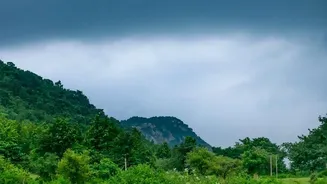
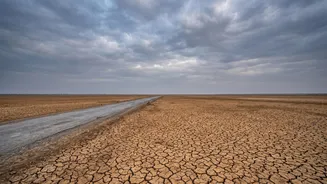
experienced a pattern that scientists have increasingly warned about: long dry spells punctuated by sudden, intense downpours. This erratic rainfall, rather than offering gentle replenishment, created prime conditions for flash floods and landslides. The result was a monsoon that felt drier in some parts of the country but proved to be disruptive and hazardous in the mountainous north, setting a complicated stage for winter travellers.
The Himalayan Outlook: A Mix of Promise and Peril
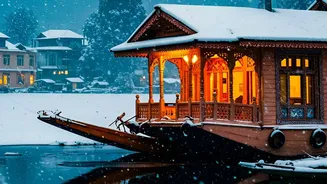
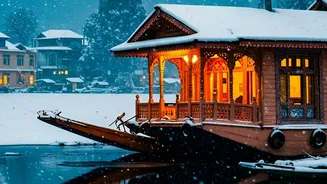
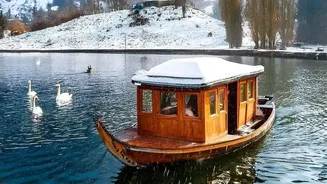
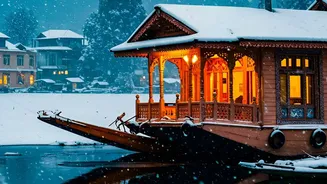
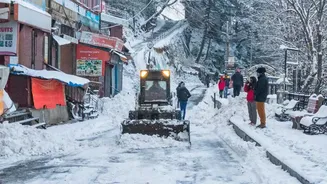
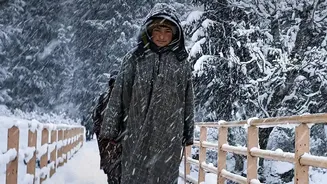
For the Himalayas, the monsoon’s legacy is a double-edged sword. On one hand, the intense precipitation has raised hopes for a snow-heavy winter, which is fantastic news for ski enthusiasts eyeing destinations like Gulmarg and Auli. In fact, the first snows of the season arrived in mid-September, forcing the early closure of high-altitude passes like Rohtang, Baralacha La, and Kunzum La. While this signals a potentially strong snowpack for deep winter, it spells trouble for late autumn road trips. On the other hand, the monsoon's ferocity has left a trail of destruction. Heavy rains in July triggered numerous landslides and road blockages across Himachal Pradesh and Uttarakhand. As of mid-September 2026, dozens of roads remained blocked in Himachal, with Mandi and Kullu districts being the most affected. The damage to infrastructure means travellers heading north must exercise extreme caution, build extra buffer days into their itineraries, and be prepared for last-minute changes.
A Lush, Green Welcome in the South
In stark contrast to the challenges in the north, the monsoon has prepared South India for a spectacular winter season. States like Kerala have successfully rebranded the rainy season itself as 'monsoon tourism', attracting visitors with misty hills and roaring waterfalls. For those planning a trip between November and February, the benefits of the recent rains will be on full display. The backwaters of Alleppey will be full and serene, the tea plantations of Munnar will be a vibrant, glistening green, and the famous waterfalls will be at their majestic best. The post-monsoon period is traditionally considered the ideal time to visit for clear skies, pleasant weather, and calm seas, making it perfect for beach holidays in Goa or backwater cruises in Kerala. After an unpredictable monsoon, the south offers a reliable and breathtakingly beautiful winter escape.
Your Guide to Winter 2026 Travel
So, what does this mean for your holiday plans? It all comes down to timing and destination. If you dream of a white winter, the early snow in the Himalayas is a good omen for skiing in January and February, but keep plans flexible and wait for official resort openings. If you are a road-tripper, the popular Manali-Leh and Manali-Kaza circuits are likely finished for the year due to the early pass closures. Trips within Himachal and Uttarakhand require diligent research into current road conditions, as many routes were still under repair in September. For a hassle-free and visually stunning holiday, especially from October to January, the south is your best bet. The landscape is rejuvenated, the weather is welcoming, and the infrastructure is far less impacted than in the mountains. This year, more than ever, a little research goes a long way in planning the perfect Indian winter getaway.