





Starting an exercise routine can feel intimidating, especially when you have sore or stiff joints. The good news is that gentle movement is one of the best ways to manage discomfort, build strength, and improve your overall health and mobility.
Why Low-Impact Is Key
Low-impact
exercise is any movement that minimizes stress and jarring forces on your joints. Unlike high-impact activities like running, these workouts keep one foot on the ground or support your body in other ways, such as with water or equipment. This approach reduces the risk of injury while still providing excellent benefits for your heart, muscles, and flexibility. It's not about avoiding a challenge; it's about training smarter to protect your body for the long term.
Level 1: Foundational Water Workouts
Exercising in water is one of the most joint-friendly activities available. The water's buoyancy supports your body weight, which takes the pressure off painful hips, knees, and ankles. In chest-deep water, your legs only have to bear about a third of your body weight. This makes it easier to move freely, while the water provides gentle resistance to build strength. For beginners, simply walking in the shallow end of a pool is a great start. Water aerobics classes are another fun and effective option.
Level 2: Mindful Movement and Flexibility
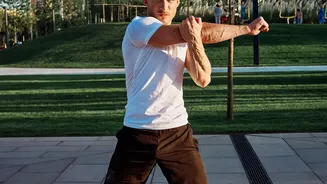
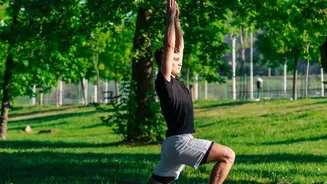
Practices like yoga and Tai Chi are excellent for improving balance, flexibility, and body awareness without any hard impact. Tai Chi, often described as 'meditation in motion', involves slow, flowing movements that have been shown to reduce pain and stiffness, particularly for those with arthritis. Gentle yoga, especially forms like chair yoga, can increase your range of motion and help release tension. These exercises focus on controlled, deliberate movements that strengthen muscles and improve posture.
Level 3: Low-Impact Cardio Machines
As you build confidence, certain gym machines offer great cardiovascular workouts. Walking is one of the most accessible low-impact exercises, and you can start with short, 10-minute sessions on a flat treadmill or surface. The elliptical trainer is another popular choice because your feet remain on the pedals, creating a smooth gliding motion that mimics running without the impact. This can be especially beneficial for people with knee or hip pain. Stationary cycling is also a great way to build leg strength and cardiovascular fitness with minimal joint stress.
Level 4: Building Strength Safely
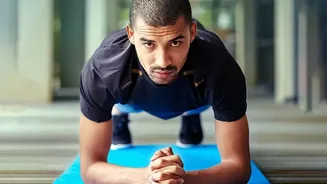
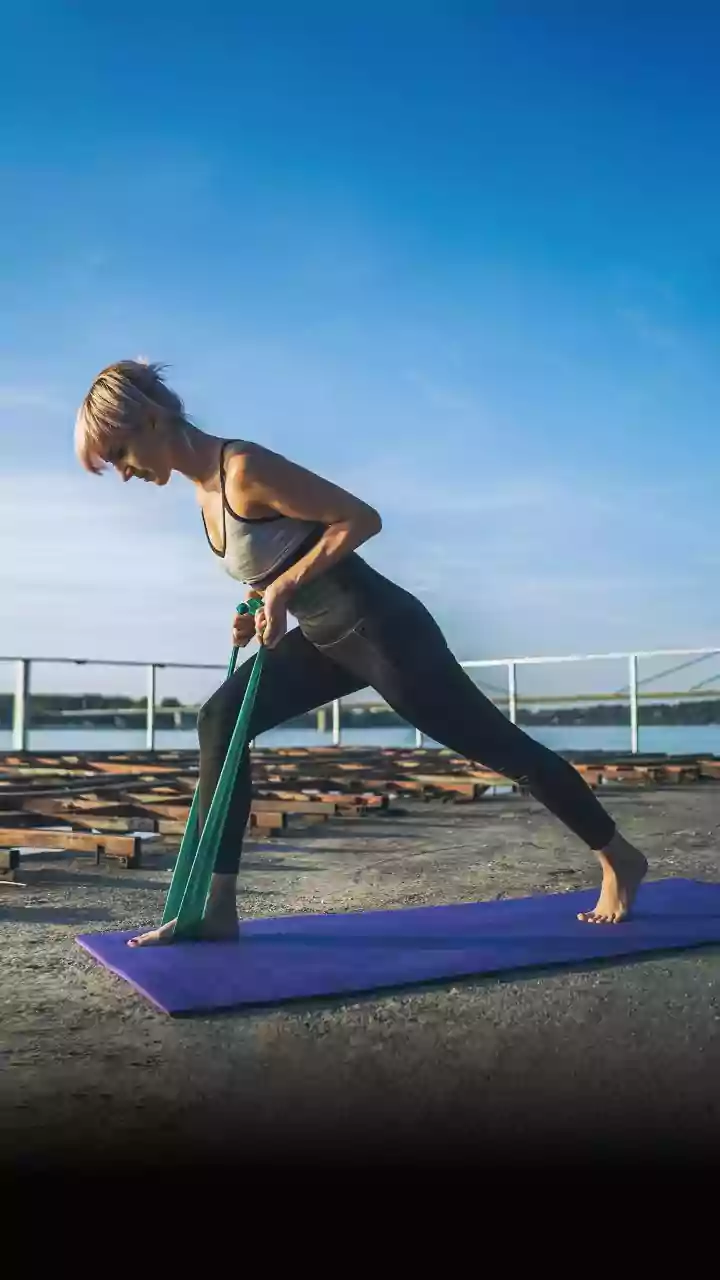
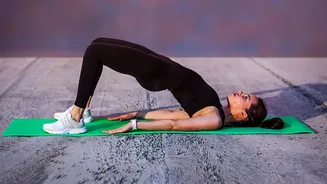
Strength training is crucial for building the muscles that support and protect your joints. You don't need heavy weights to get started. Bodyweight exercises like wall sits, glute bridges, and incline pushups are highly effective. Resistance bands are another excellent tool, providing steady tension to build strength without straining joints. When using light dumbbells, focus on slow, controlled movements rather than momentum. The goal is to build up gradually, adding more repetitions before you add more weight.
Tips for a Successful Start
No matter which activity you choose, always begin with a 5 to 10 minute warmup, such as gentle walking or dynamic stretches like arm circles. Listen to your body; muscle soreness is normal, but sharp pain is a signal to stop or modify the movement. Some discomfort is expected when starting, but it shouldn't get worse during or after your workout. Finally, always end with a cooldown to help your muscles relax and recover. Consistency is more important than intensity, so find activities you genuinely enjoy.