





The Secret to Lighter-Feeling Earrings
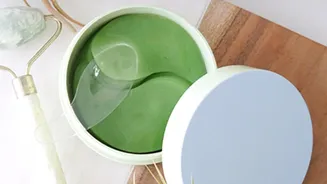
Heavy earrings are a primary culprit of discomfort, often leading to sore, stretched lobes. The key is to redistribute the weight. Specialised earring support patches are a game-changer; these small, clear adhesive stickers are applied to the back of your
earlobe before inserting the earring. They create a wider surface area to bear the weight, instantly relieving pressure on the piercing hole. A popular DIY alternative involves cutting a small piece from a plaster or medical tape and sticking it behind your ear, piercing through it with the earring post. Another effective solution is to change the earring backs. Look for larger, supportive backs or 'lobe lifters' that help keep the earring sitting upright instead of drooping forward, which also helps distribute weight more evenly.
Embrace the Sahara Chain
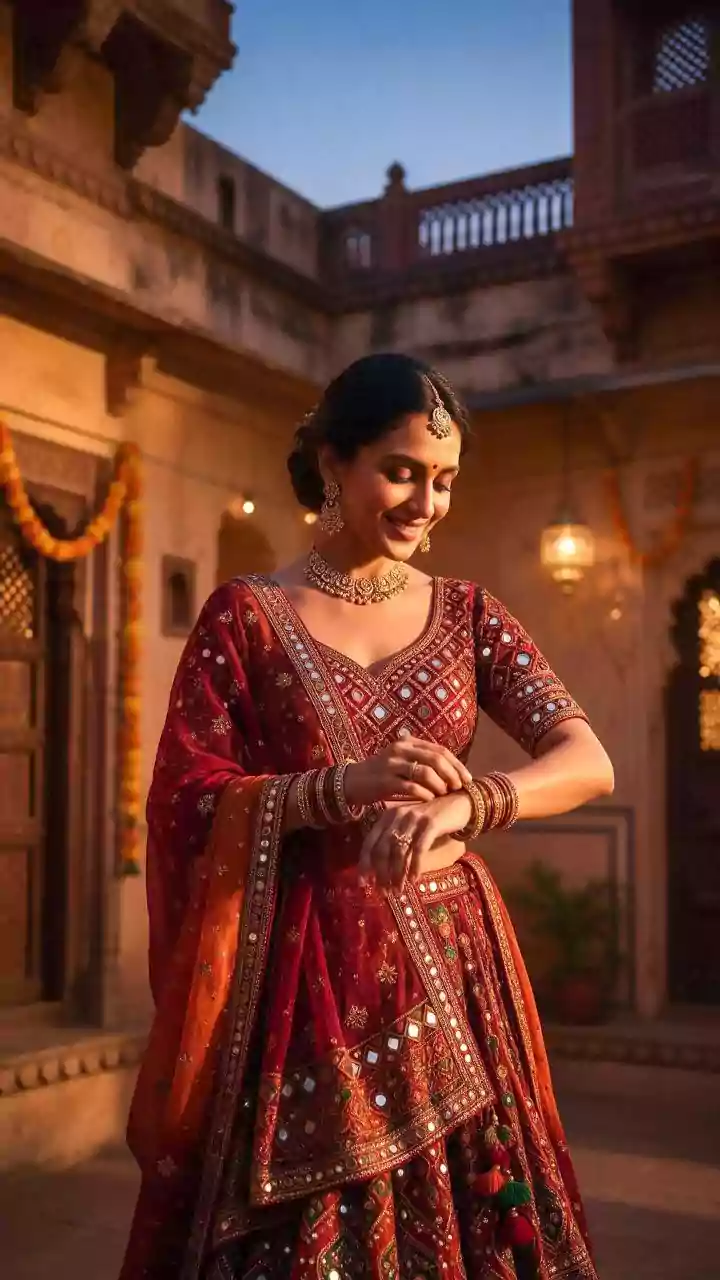
A traditional and stylish solution, especially for Indian bridal and festive jewellery, is the 'sahara' or ear chain. These decorative chains aren't just for looks; they are designed to transfer a significant portion of an earring's weight away from the earlobe and into your hair. One end hooks onto the earring while the other is secured to the hair with a pin. This provides substantial relief and prevents the constant downward pull during long events. If your earrings didn't come with one, you can easily find detachable sahara chains or even create a discreet version yourself using a fine, lightweight chain and a bobby pin.
Mastering the Statement Necklace
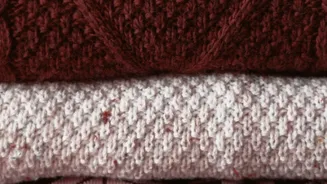
With bold necklaces, comfort is often about placement and avoiding friction. To prevent a heavy pendant from digging into your collarbone or a chunky chain from chafing your neck, choose your outfit's neckline wisely. Simple, open necklines like a scoop, V-neck, or even a high crew neck provide a clean canvas that allows the necklace to lie flat without competing with collars or ruffles. Pairing a large necklace with smooth fabrics like silk or cotton is also a good idea, as textured materials like heavy knits can create too much visual and physical friction. For long necklaces, ensure the length is appropriate for your frame—it should ideally sit somewhere between your chest and navel to avoid getting in the way or snagging as you move.
Preventing Skin Irritation
An itchy, red rash from costume jewellery can ruin any event. This reaction, known as contact dermatitis, is often caused by nickel, a metal commonly found in affordable alloys. To prevent this, create a barrier between the metal and your skin. Applying a thin layer of clear nail polish to the parts of the jewellery that touch your skin is a classic, though temporary, fix. For a more robust solution, look for products specifically designed to act as a shield, which can be sprayed or painted on. It's also crucial to keep your skin and jewellery clean and dry. Always apply lotions and perfumes before putting on your jewellery, allowing them to fully dry to avoid trapping moisture and chemicals against your skin.
The Pre-Event Dress Rehearsal
Never take a piece of statement jewellery for a test run at a major event. Wear it around the house for an hour or two a few days before you plan to show it off. This trial period is your best chance to identify potential problems. Do the earrings start to pinch after 30 minutes? Does the necklace clasp snag on your hair when you turn your head? This pre-wear check allows you to make adjustments—like applying support patches or changing a clasp—before you are committed for a full day or night. It's a simple step that ensures your focus remains on enjoying the event, not on an impending jewellery-related headache.